
Fuel guide
Liquid vs traditional energy gels
Liquid Energy Gel is not a different fuel. It is the Original gel's formula with more water in it, which changes the texture, the packet size and how it feels going down on a hot, hard day. Here is what actually changes, what stays exactly the same, and when the thinner format earns a place in your pocket.
What changes: texture and packet size
Both differences come from one decision: a higher proportion of water.
- Texture. Original is a smooth gel you squeeze and swallow. Liquid Energy is closer to a thick drink: nothing to chew, off the palate quickly, and it does not sit as heavily when your stomach is already working hard.
- Packet size. More water means a bigger pouch: 60 g (2.11 oz) against 32 g (1.1 oz) for Original, close to double the volume for the same 100 calories. It still fits a running belt or jersey pocket, but plan for it before you carry eight.
The bigger packet is the only structural difference. The thinner consistency is there so the gel goes down easier and absorbs faster when output is highest.†
What stays the same
Everything you are actually fuelling with is unchanged.
- Dual-source carbohydrate. Maltodextrin plus fructose, which use separate transport pathways in the gut, so a blend lets you absorb more carbohydrate per hour than one sugar can.
- Electrolytes. 75 mg sodium per packet, inside Original's 60–125 mg range.
- 450 mg amino acids. The same dose as Original, so one Liquid Energy does not equal two Originals, whatever the packet size suggests.
- Caffeine in selected flavours, with caffeine-free options in both lines.
| Per packet | Liquid Energy Gel | Original Energy Gel |
|---|---|---|
| Packet | 60 g (2.11 oz) | 32 g (1.1 oz) |
| Texture | Light liquid, sip it | Smooth gel, squeeze it |
| Calories | 100 | 100 |
| Carbohydrate | 24 g | 21–23 g |
| Sodium | 75 mg | 60–125 mg |
| Amino acids | 450 mg | 450 mg |
| Caffeine | 0 mg in four flavours; 20 mg (Orange); 40 mg (Coffee, Cola) | 0 mg or 20–40 mg, by flavour |
| Box | 8 for ₹999 (about ₹125 a gel) | 8 for ₹999 (about ₹125 a gel) |
Why a thinner gel is easier on the gut
Stomach trouble is common in endurance sport and hard to manage. As intensity, heat and fatigue build, gastric emptying slows and the gut becomes more sensitive. A gel that felt fine at an easy pace can feel like a brick at threshold on a humid morning.
Liquid Energy exists for that window. Thinner and wetter, it asks less of your digestion and clears the palate fast, which helps athletes who struggle with gel texture keep taking in enough carbohydrate while moving.†
Two caveats the manufacturer repeats, and so will we:
- It is an additional format, not a replacement. Original stays the versatile baseline for everyday training.
- If gels usually trouble you, test Liquid Energy in training over several weeks and note how your stomach responds, never for the first time mid-race. The gut adapts gradually, and that is what makes race day predictable; our gut-training guide lays out the progression.
Four situations where Liquid Energy makes sense
You skipped breakfast
Taken right before or at the start, it delivers carbohydrate without asking much of a digestive system that has not woken up. Made for the 6 am run where eating does not appeal.
Gel texture puts you off
Liquid Energy is closer to a drink than a gel, a gentler entry point for athletes who can handle the carbohydrate but not the consistency. Practise with it in training and watch your gut's response in the weeks before a race.
You run hot
Heat raises the risk of GI distress, and a traditional gel can feel heavier in it. A lighter, more refreshing packet is easier to face on a sticky Mumbai long run or a midday climb in the Western Ghats. More in our piece on training and racing in the heat.
You are racing a triathlon
T1 and T2 are short. Liquid Energy goes down in a few seconds without slowing you, so stage one at each transition and carry Original or Roctane for the long bike and run. See the triathlon fuelling guide.
Timing: where Liquid fits across an effort
The rule is the same for all three gels: one about five minutes before you start if you need it, then one every 20–30 minutes once you are past the hour, with water each time. What changes is which format goes where.
| Effort duration | Which gel | How often |
|---|---|---|
| Under 60 min | Liquid Energy | One before or at the start, if needed |
| 60–90 min | Original; or Liquid first, then Original, in heat | 1–3 gels, every 20–30 min |
| 90 min to 3 h | Liquid early, Original through the middle, Roctane in the final hour | Every 20–30 min |
| 3 h and beyond | Roctane-led, with Liquid mixed in when the stomach wants variety | Every 20–30 min |
Liquid goes early because rising core temperature slows gastric emptying, so getting it in first lowers the chance of tolerance problems later.† It comes back from 90 minutes on, when flavour and texture fatigue set in and a sippable packet is often the one thing you can face. Original holds the stable middle; Roctane takes over when sweat losses and fatigue call for more sodium and amino acids, as our Roctane vs Original guide explains.
Tip: run your distance, intensity and the weather through the fuel calculator first. It gives you carbs per hour and a schedule; then decide which packet fills each slot.
Do you still need to drink water? Yes
Liquid Energy is runnier than Original because it carries more water, yet it still does not count as a drink. The extra water lowers the digestive load and helps absorption†; it does not replace what you sweat out. The manufacturer's guidance is roughly 475–900 ml (16–30 oz) of fluid per hour, adjusted for conditions and your sweat rate, plus a few sips of water with every gel, whatever the format, because fluid helps the stomach empty and speeds carbohydrate uptake.†
It does help when fluid is hard to reach, halfway up a climb or in a fast transition, but treat that as a bonus, not a plan. Our energy vs hydration guide separates the two jobs.
Caffeine by format
- Original Energy Gel: 20–40 mg in caffeinated flavours; caffeine-free flavours available.
- Liquid Energy Gel: 20 mg in Orange, 40 mg in Coffee and Cola. Plain & Simple, Lemonade, Strawberry Banana and Passion Fruit Orange Guava are caffeine-free.
- Roctane Energy Gel: 35 mg in most caffeinated flavours; 70 mg in Cold Brew Coffee.
Caffeine's half-life is roughly four to six hours, so an early dose is still working when the next arrives. Map it across the effort before choosing flavours, and count the pre-race coffee. The flavour and caffeine chart lists every dose.
The frozen gel trick
Liquid Energy has enough water to freeze into a slush, which Original does not. Freeze a Lemonade or Orange packet the night before a hot session and take it five minutes before you start: in an Indian summer, the most pleasant 100 calories of the week. Keep a second, unfrozen packet for mid-session.
FAQ
How is Liquid Energy Gel different from Original Energy Gel?
Both are portable, easy-to-digest carbohydrate. Two differences: consistency (a more liquid version of the gel) and size (just over two ounces, 60 g against 32 g). It is still pocket-friendly.
When should I use Liquid Energy Gel?
Out-the-door workouts when you do not feel like eating, sweaty gym sessions and HIIT, and longer races where you want to mix things up. Take one five minutes before or at any point during activity.
Does one Liquid Energy Gel equal two Original gels?
No. Each serving has the same 100 calories and 450 mg amino acids as an Original Energy Gel. The format adds variety and another option for long sessions; it does not double the dose.
Does a drinkable gel mean I can skip water?
No. Aim for 16–30 oz (about 475–900 ml) of fluid per hour, depending on conditions and sweat rate, and still sip water with each gel; it speeds absorption.
Why does it contain BCAAs?
Branched-chain amino acids are essential amino acids, the building blocks of muscle and connective tissue. Taken during exercise they can help delay fatigue, reduce muscle breakdown and kick-start muscle protein synthesis.†
Is Liquid Energy Gel vegan and gluten-free?
Yes: vegan, gluten-free and dairy-free, and tested for banned substances.
Next steps
- Liquid Energy Gel: seven flavours, box of 8, ₹999.
- Train your gut: the 6–8 week progression that makes any gel sit better.
- Choose the right gel: Original, Liquid or Roctane, matched to your session.
† These statements have not been evaluated by a regulatory authority. This product is not intended to diagnose, treat, cure or prevent any disease.
Next steps
Read it. Now use it.
Three places to go from here: the full plan, the calculator that does the maths for your distance and the weather, and the gels themselves.
Plan
How to fuel
The whole plan, hour by hour. One gel about five minutes before you start, then one every 20–30 minutes once you are out past the hour, with a few sips of water each time. Do not wait until you feel hungry or flat.
See the plan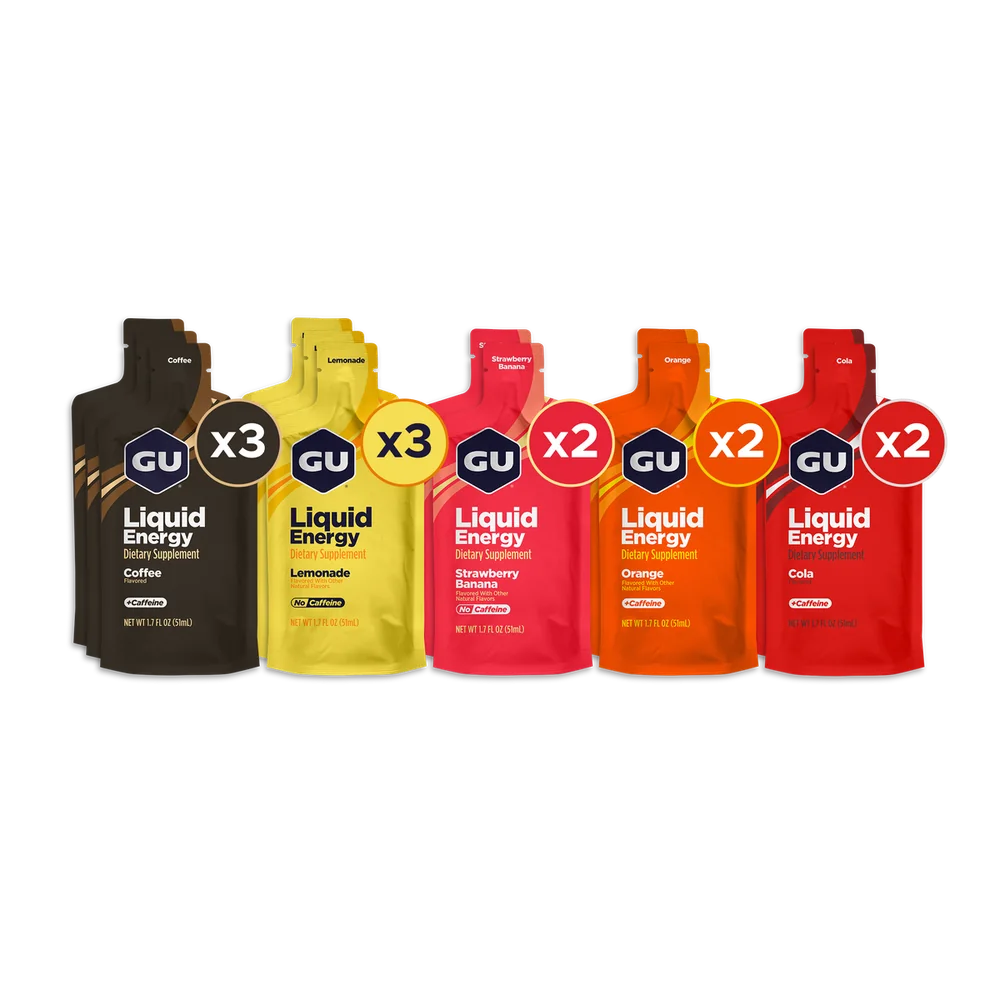
Tool
Fuel calculator
Activity, duration, intensity, body weight and the heat go in; carbs per hour, how many gels to carry and a minute-by-minute schedule come out. If the target feels high, start lower and build towards it over 6–8 weeks of gut training.
Get your numbers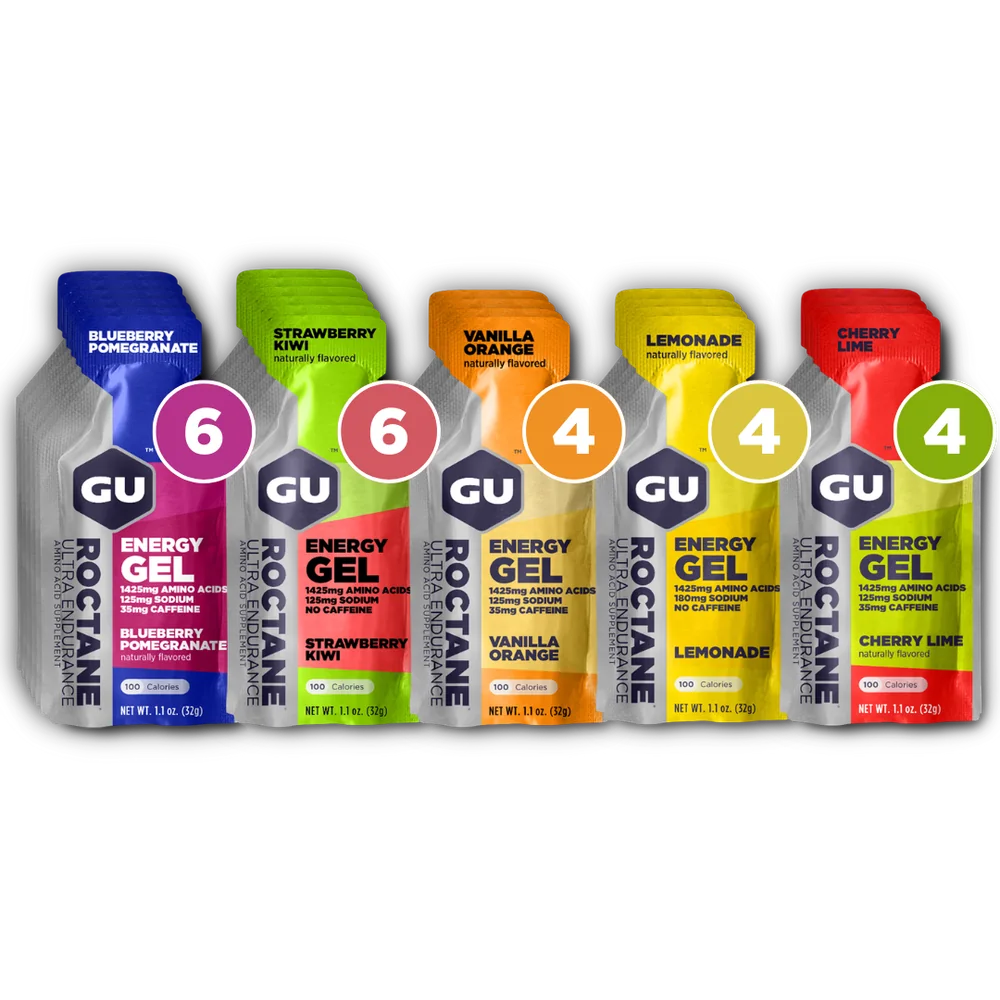
Shop
Shop the gels
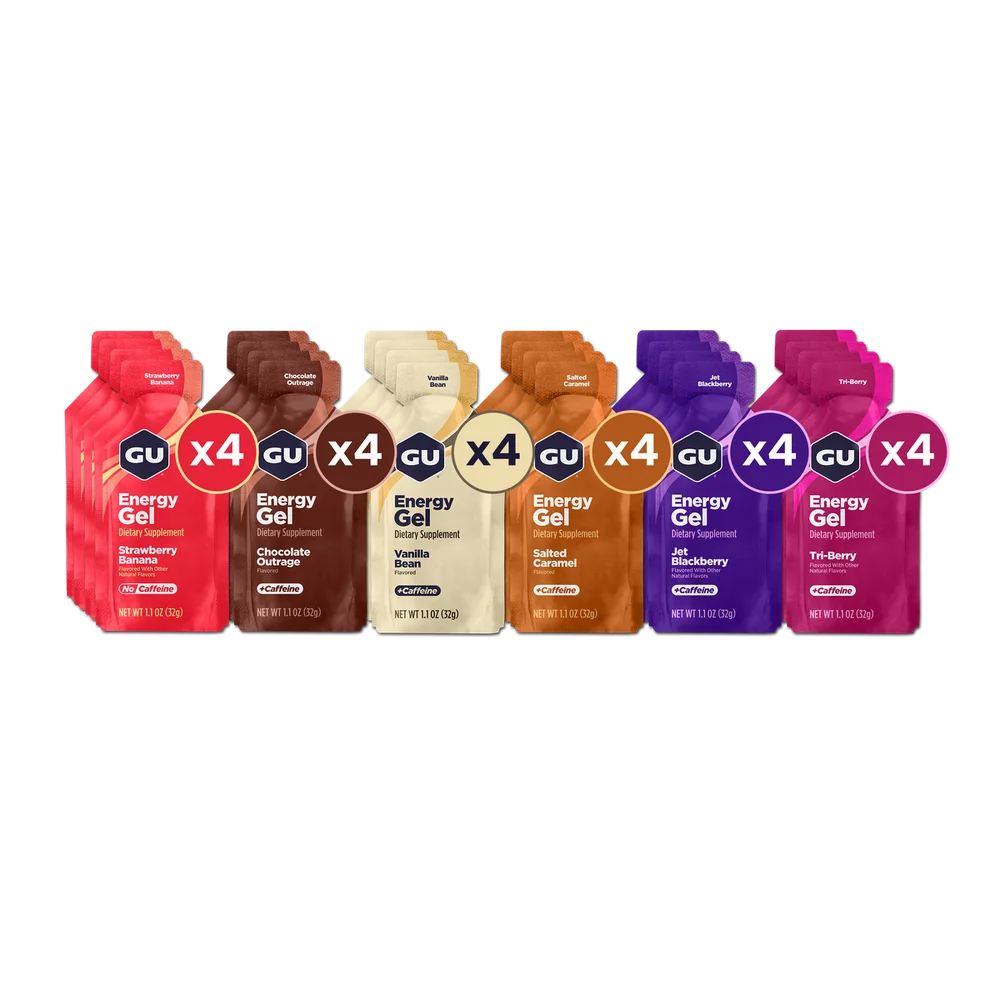
Three lines, one job. Original for everyday training, Liquid Energy for the same carbohydrate in a lighter, smoother form, and Roctane with up to three times the sodium and three times the amino acids for the longest, hardest days.
Shop all gelsPractise the plan on a long session,
not on race day.
Nothing new on the day. Test the timing in training, note what your stomach says, and adjust from there.