
Fuel guide
Roctane vs Original: which gel system is for you
Original Energy Gel and Roctane Energy Gel deliver the same 100 calories from the same maltodextrin-and-fructose blend. The difference is what travels with the carbohydrate: Roctane carries up to three times the sodium and roughly three times the amino acids, and adds taurine and beta-alanine. This guide explains what that buys you, when it matters, and when the Original is all you need.
Roctane vs Original at a glance
| Feature | Original Energy Gel | Roctane Energy Gel |
|---|---|---|
| Built for | Everyday training and steady efforts | Longer or higher-intensity efforts |
| Energy | 100 kcal, 21–23 g carbohydrate | 100 kcal, 19–21 g carbohydrate |
| Sodium per gel | 60–125 mg | 125–180 mg (up to 3x) |
| Amino acids per gel | 450 mg BCAAs | 1,425 mg, including BCAAs, taurine and beta-alanine |
| Caffeine | 0, 20 or 40 mg, by flavour | 0, 35 or 70 mg, by flavour |
| Packet | 32 g smooth gel | 32 g smooth gel |
| Price | ₹999 per box of 8 (about ₹125 a gel) | ₹999 per box of 8 (about ₹125 a gel) |
Both gels are vegan, gluten-free, dairy-free and kosher, and both are made by GU Energy Labs, Berkeley, California.
Why there are two systems
Fuelling needs change with intensity, duration and weather. A steady 60-minute run on a cool morning asks little of your electrolyte balance or your muscles' ability to hold off fatigue; a four-hour ride through the Western Ghats in May asks a great deal. The Original covers the first case: dependable carbohydrate, delivered steadily, at a price you can use week in and week out.
Roctane was created for the second: athletes going harder or longer, where sweat losses add up and muscle fatigue becomes the limiter. The carbohydrate is unchanged; the formula adds electrolytes and amino acids for that extra load. Together they let you match nutrition to the day instead of paying for the premium formula on every easy run.
When athletes choose each gel
Original Energy Gel: the everyday base
Athletes typically reach for the Original Energy Gel when they are:
- training consistently through the week and want a reliable, repeatable source of carbohydrate;
- fuelling moderate-intensity sessions, where steady energy matters more than electrolyte or amino-acid support;
- building a baseline fuelling routine and learning how their gut responds to gels.
Roctane Energy Gel: the hard days
The Roctane Energy Gel is the usual choice when athletes are:
- racing long endurance events such as a marathon, a 70.3 or a multi-day trek;
- pushing intensity in key workouts: tempo runs, long intervals, race-pace simulations;
- training in hot, humid or otherwise demanding conditions, where sodium loss is high and fatigue arrives early.
There is no harm in using Roctane for every workout; it simply delivers support an easy session does not need. That is why many athletes use the Original day to day and reserve Roctane for races and their hardest sessions. Whichever way you lean, test both in training; race day should never be the first time you try a gel.
Tip: a practical split for an Indian racing calendar is Original for weekday sessions and cooler long runs, and Roctane for long runs in pre-monsoon heat, race-pace workouts and the race itself, from a humid January start in Mumbai to a half in Delhi or Bengaluru.
Decision-area comparison
| Decision area | Original Energy Gel | Roctane Energy Gel |
|---|---|---|
| Performance focus | Everyday endurance fuel | Higher intensity and longer efforts |
| Electrolytes | Standard sodium level, 60–125 mg | Increased sodium, 125–180 mg |
| Amino acids | 450 mg BCAAs to support everyday efforts | 1,425 mg with BCAAs, taurine and beta-alanine for demanding efforts |
| Product system | Original Energy Gel and Liquid Energy Gel: the same carbohydrate formula in two textures | Roctane Energy Gel, part of a wider Roctane range that also covers hydration and recovery |
| Typical use | Daily training and moderate-intensity endurance | Races and demanding workouts |
What the Roctane extras actually do
Up to 3x the sodium
Sodium is the main electrolyte you lose in sweat, and it helps the water you drink stay in your system. Electrolytes maintain fluid balance, help prevent dehydration and are needed for muscle contraction. A Roctane gel carries 125–180 mg of sodium against 60–125 mg in an Original, depending on flavour: Roctane Lemonade has the most sodium of any gel in the range, and Salted Lime was created for hot, dusty conditions. On a sticky 32 °C long run that extra sodium matters, though beyond two to three hours you will still want a separate electrolyte source alongside your gels; see energy vs hydration.
1,425 mg of amino acids, including taurine and beta-alanine
An Original gel contains 450 mg of branched-chain amino acids (leucine, isoleucine and valine). A Roctane gel contains 1,425 mg of amino acids, roughly three times as much, and adds two that the Original does not have:
- BCAAs are metabolised in the muscle itself and limit how much muscle you break down while training and afterwards. Leucine in particular acts as the trigger for protein synthesis, the rebuilding that makes muscles stronger. BCAAs are also linked to less mental fatigue late in long efforts.
- Beta-alanine helps the body form carnosine, a buffer inside the muscle that reduces acidity and can delay the onset of fatigue during high-intensity work.
- Taurine is found in high concentrations in the heart. It supports heart contractility and cardiac output during long exercise sessions.
These ingredients are aimed at the hours when muscle damage, acid build-up and fatigue become the limiting factor, not at a 45-minute easy jog.
The same 100 kcal, on purpose
A premium gel does not pack more calories, and that is deliberate. During exercise, blood flow is diverted to the working muscles and away from the digestive tract, so a large dose of calories in one go raises the risk of gut distress. Keeping both gels at 100 kcal lets you take energy in small, frequent amounts, aiming for 200–300 calories per hour with a few sips of water each time. Both use the same maltodextrin-and-fructose blend, absorbed through two separate pathways, so you take up more carbohydrate with less stomach trouble.
Caffeine: same idea, slightly different doses
Caffeine is a flavour-level choice in both ranges, not a system-level one. Caffeinated Original flavours carry 20 mg or 40 mg; caffeinated Roctane flavours carry 35 mg, and Roctane Cold Brew Coffee carries 70 mg, double the rest. Caffeine stimulates the central nervous system, lowers perceived effort and pain, sharpens focus and helps mobilise fat for fuel, which spares glycogen. If you want Roctane's electrolytes and amino acids without caffeine, Pineapple, Strawberry Kiwi and Lemonade are caffeine-free; our flavour and caffeine chart lists every dose.
A simple way to use both
Duration is the easiest rule of thumb. Under an hour, start well hydrated and take one gel about five minutes before you begin. Between one and two hours, take a gel every 20–30 minutes with water; the Original serves most people well here. From two hours onward, or any time it is hot and humid, Roctane's extra sodium and amino acids start to earn their price, and an electrolyte drink is worth adding for the sodium a gel alone cannot replace. Beyond three hours you cannot replace everything you burn, so the goal becomes eating as much as your gut can comfortably handle, a trainable skill covered in train your gut.
Tip: both gels run on the same cadence, one every 20–30 minutes with water, so switching from Original in training to Roctane on race day changes nothing about your timing. Only the flavour and saltiness change, so try your race flavour on a long run first.
FAQ
What is the difference between Roctane and Original Energy Gel?
Both deliver 100 kcal of the same carbohydrate blend. Roctane adds 2–3x the electrolytes (125–180 mg sodium against 60–125 mg) and about 3x the amino acids (1,425 mg against 450 mg), including taurine and beta-alanine, and is designed for longer or higher-intensity efforts.
Does Roctane replace the Original?
No. They serve different purposes. Many athletes use the Original for regular training and keep Roctane for races and demanding workouts, which also keeps the cost of fuelling down.
How do I decide which one to use?
Go by intensity, duration and conditions. Steady training on an ordinary day: Original. Long races, key hard sessions, or heat and humidity where electrolyte balance and muscle fatigue become limiting: Roctane.
Can I use Roctane for every workout?
Yes, there is no harm in it. It was designed for prolonged or intense exercise, so the benefit shows most in sessions that need extra recovery time or where fatigue, focus and perceived effort limit you.
These statements have not been evaluated by a regulatory authority. This product is not intended to diagnose, treat, cure or prevent any disease.
Next steps
- Work out how many gels you need per hour with the fuel calculator.
- Read the ingredient story in more depth in The Roctane difference.
- Compare every flavour and shop both gels in all gels.
Next steps
Read it. Now use it.
Three places to go from here: the full plan, the calculator that does the maths for your distance and the weather, and the gels themselves.
Plan
How to fuel
The whole plan, hour by hour. One gel about five minutes before you start, then one every 20–30 minutes once you are out past the hour, with a few sips of water each time. Do not wait until you feel hungry or flat.
See the plan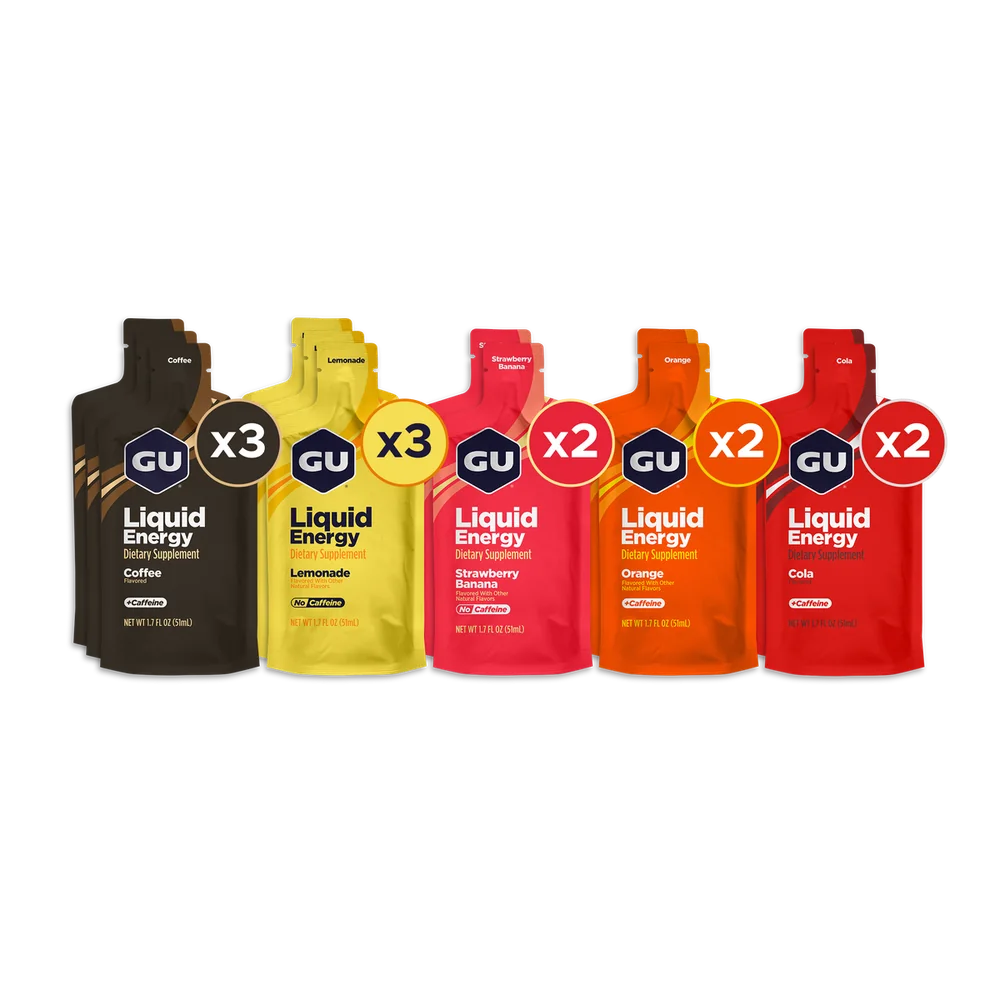
Tool
Fuel calculator
Activity, duration, intensity, body weight and the heat go in; carbs per hour, how many gels to carry and a minute-by-minute schedule come out. If the target feels high, start lower and build towards it over 6–8 weeks of gut training.
Get your numbers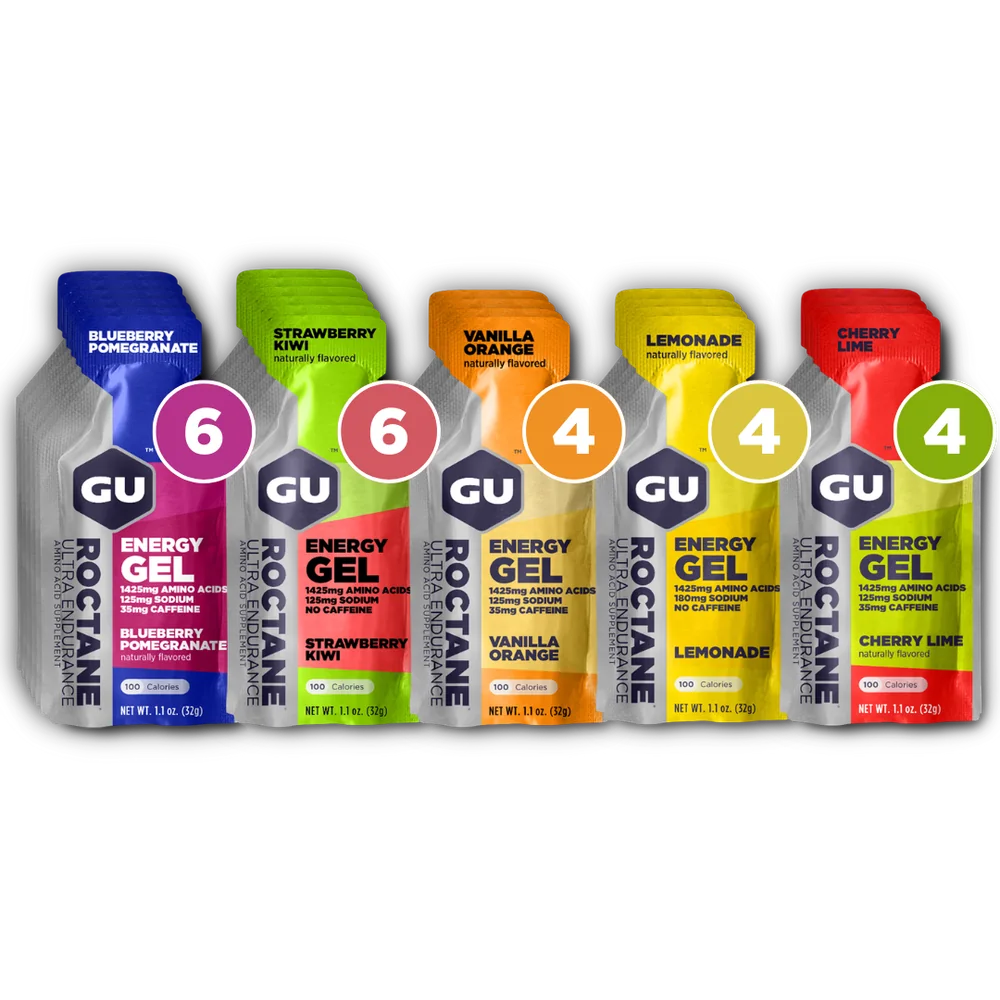
Shop
Shop the gels
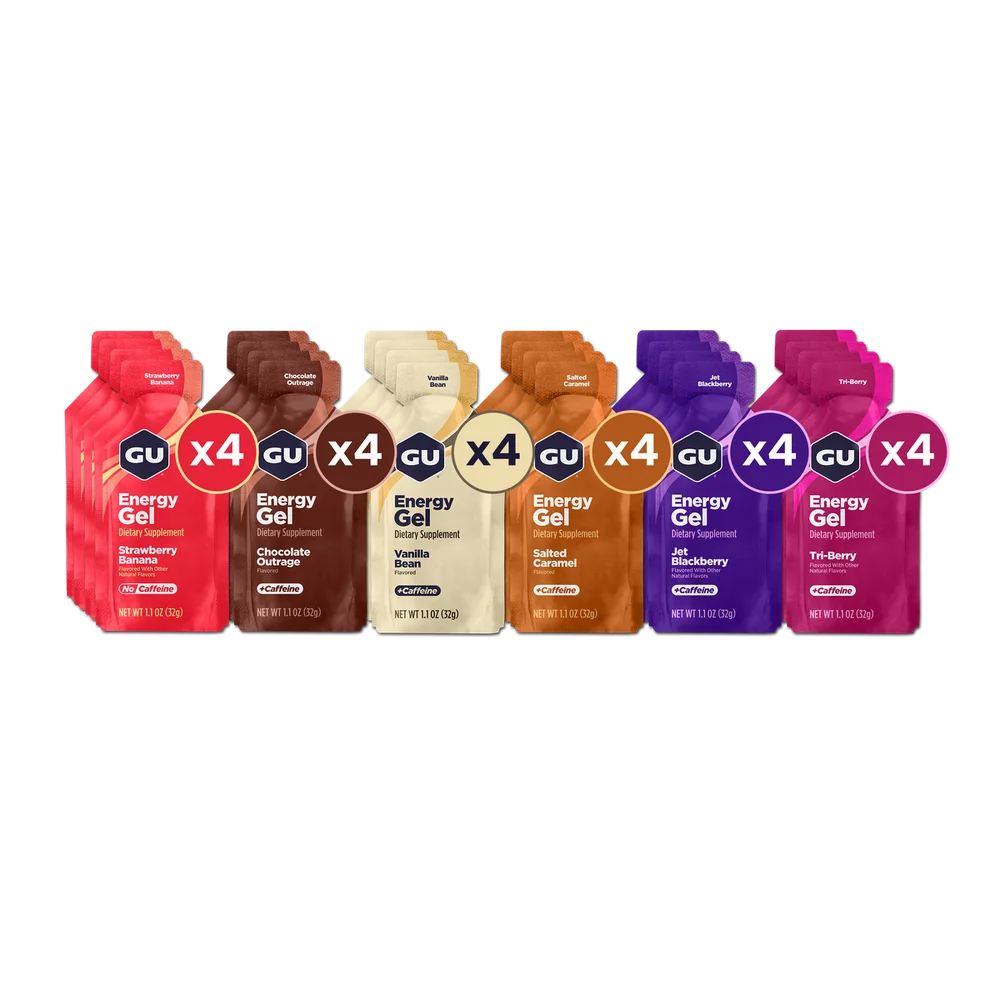
Three lines, one job. Original for everyday training, Liquid Energy for the same carbohydrate in a lighter, smoother form, and Roctane with up to three times the sodium and three times the amino acids for the longest, hardest days.
Shop all gelsPractise the plan on a long session,
not on race day.
Nothing new on the day. Test the timing in training, note what your stomach says, and adjust from there.