
Fuel guide
Energy gels vs sports drinks
Energy gels and sports drinks get lumped together as race nutrition, but they do different jobs. A gel is a fixed dose of carbohydrate in a packet you can count: 100 calories, 19–24 g of carbohydrate and a little sodium. A sports drink is fluid first, with electrolytes and, depending on the product, anywhere from almost no carbohydrate to a full hour's worth. This guide sets out what each one delivers per serving, why gels give you tighter control over how much fuel goes in, and how to run the two together when a session is long, hard or hot.
Gels vs sports drinks at a glance
Formulations vary between brands, but the two categories are built around different primary jobs.
| Energy gels | Sports drinks | |
|---|---|---|
| Main job | Carbohydrate for energy | Fluid and electrolytes for hydration |
| Carbohydrate | Concentrated: about 20 g in one small packet | Diluted across however much you drink |
| Hydration | None on its own; needs a few sips of water to absorb well | Counts directly towards your fluid intake |
| Electrolytes | Some sodium, to support hydration | Sodium to replace what sweat takes out |
| How you take it | At set intervals, for steady fuelling | Sipped regularly, to stay hydrated |
| Dose control | Fixed per packet; easy to count | Depends on how much you drink and how it was mixed |
Why you need fuel and fluid, not one or the other
While you exercise, your muscles run largely on carbohydrate stored as glycogen. As that store drains, fatigue arrives. The only way to delay it on a long effort is to put carbohydrate back in as you go, which is why many endurance athletes aim for 30–60 g of carbohydrate an hour.
At the same time you are sweating out fluid and electrolytes, chiefly sodium. Let that go unreplaced and dehydration starts to cost you pace, focus and endurance. Fuel keeps you moving; hydration keeps the machinery running. A gel does not hydrate you, and a bottle of electrolyte drink does not fuel you, so the question is rarely which one to pick. It is how much of each the session calls for.
Carbs per serving: what a gel delivers
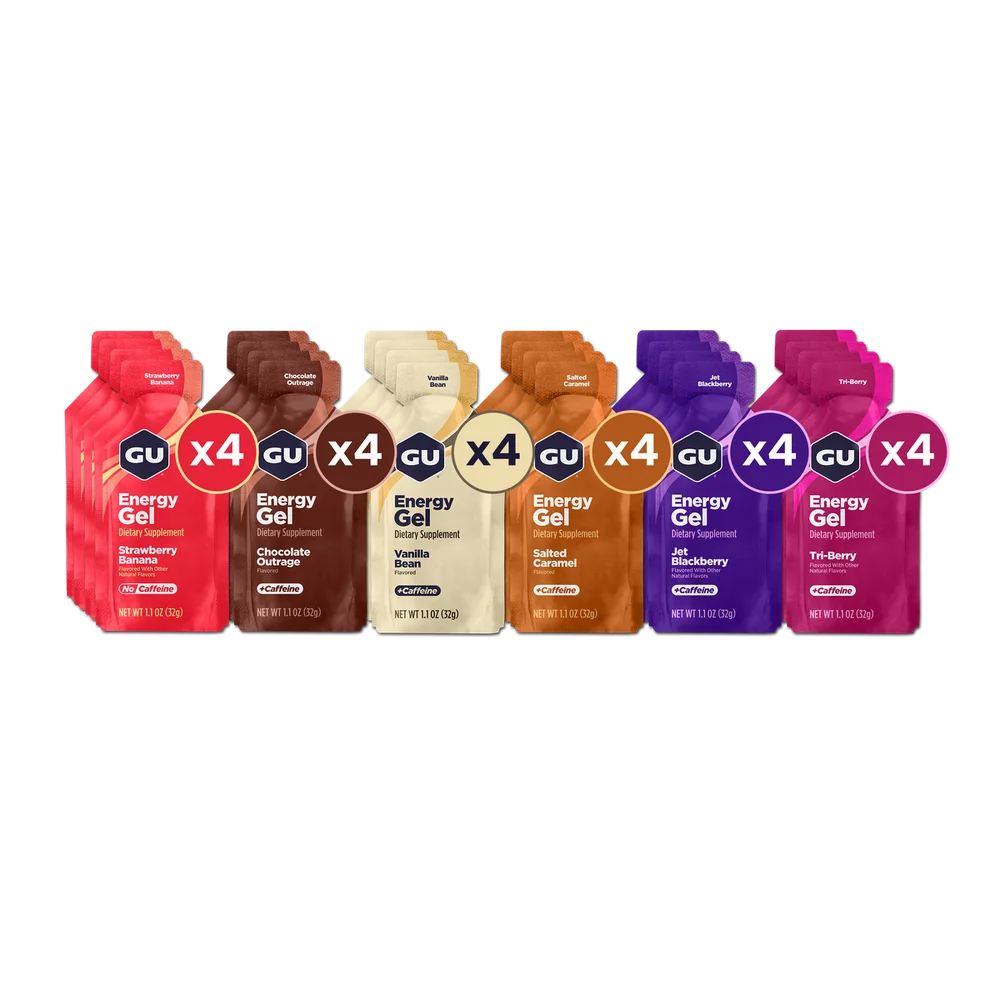
All three of our gels carry 100 calories from a two-source carbohydrate blend (maltodextrin and fructose), plus sodium and amino acids. The exact carbohydrate count differs slightly, which matters once you multiply it by the number of packets in an hour.
| Gel | Carbohydrate per packet | Sodium | Amino acids | Two per hour | Three per hour |
|---|---|---|---|---|---|
| Original Energy Gel | 21–23 g | 60–125 mg | 450 mg | 42–46 g | 63–69 g |
| Liquid Energy Gel | 24 g | 75 mg | 450 mg | 48 g | 72 g |
| Roctane Energy Gel | 19–21 g | 125–180 mg | 1,425 mg | 38–42 g | 57–63 g |
So one gel every 30 minutes puts you in the middle of the 30–60 g range, and one every 20 minutes takes you to the top of it. Gels suit runs, rides and any endurance workout where you want energy to stay level, and anywhere carrying real food is impractical: a crowded marathon start, a long climb in the Western Ghats.
Simple rule: if your energy is dropping, it is time for a gel. Better still, do not wait for the feeling: fuel to a schedule and the dip never arrives.
What a sports drink delivers
Sports drinks are not one product. Whatever the brand, the label puts it in one of two camps.
Low-calorie electrolyte drinks
Tablets or powders that dissolve in a bottle, giving sodium to replace sweat losses and enough flavour to make you keep drinking, with minimal calories. They suit shorter sessions where hydration is the priority, hot or humid conditions, and any session where your fuel is coming separately from gels.
High-carbohydrate drink mixes
Endurance mixes that put fuel and hydration in one bottle: fast-acting and sustained carbohydrates from a dual-source blend, sodium, and in some cases amino acids to help hold off fatigue. They suit long endurance sessions and race day, situations where carrying gels and bottles separately is awkward, and athletes who would rather drink their calories than squeeze them from a packet. If that last point is you, eat or drink your fuel weighs the trade-offs.
Control of dosing: why a packet beats a bottle
The biggest practical difference between the two is not what is in them. It is how precisely you can control what goes in.
A gel is a known quantity. Three packets an hour is 57–72 g of carbohydrate whether it is a cold January morning in Delhi or a humid October evening in Mumbai. You can set a watch alarm, take one every 20–30 minutes, and count the empty wrappers in your pocket to know exactly where you stand.
A carbohydrate drink ties your fuel to your thirst. When it is hot you drink more, so carbohydrate climbs, possibly past what your gut will accept at pace; dilute the mix to drink more fluid and the carbohydrate per bottle drops. On a cool day you sip less without noticing and quietly under-fuel. Rely on aid-station cups and you are drinking whatever the organiser mixed, at an unknown concentration.
| Condition | Gels plus water | Carbohydrate drink only |
|---|---|---|
| Cool morning, low thirst | Carbohydrate unchanged; drink to need | Carbohydrate drops as you drink less |
| Hot and humid | Carbohydrate unchanged; raise fluid and electrolytes separately | Carbohydrate rises with thirst, or falls if you dilute the mix |
| Aid-station cups only | Your plan travels in your pocket | Your plan depends on the course mix |
Gels separate the two dials: carbohydrate is set by the number of packets, hydration by the bottle, and either can move without touching the other. The one non-negotiable is water: a gel is concentrated, so always chase it with a few sips to help it leave the stomach.
When to combine them
The most effective approach is not gels or drinks. It is gels for fuel and a drink for hydration, in proportions set by duration, intensity and conditions.
| Session | Gels | Sports drink |
|---|---|---|
| Under 60 minutes | Rarely needed | Focus here: water or an electrolyte drink to keep electrolytes balanced |
| 60–90 minutes | Light fuelling: an occasional gel | Keep sipping; electrolyte drink in warm weather |
| 90 minutes and beyond | One every 20–30 minutes, consistently | Electrolyte drink or carbohydrate mix, sipped every 10–15 minutes |
| Hot or humid, any length | Keep fuelling as planned | Prioritise hydration and increase electrolyte intake |
The default system for a long session is simple: one gel every 20–30 minutes, a few sips of fluid every 10–15 minutes. Gels power the muscles; the drink keeps everything else working. Longer efforts need more consistent fuelling and hydration, higher intensity raises carbohydrate demand, and heat and humidity raise fluid and electrolyte needs. Hot-weather specifics are in training and racing in the heat.
Combining a carbohydrate drink with gels? Count both. The body can process roughly 300–400 calories an hour during exercise, and many athletes settle on one serving of drink mix plus one or two gels per hour. Add the carbohydrate on the drink's label to your gel count so the total stays inside that ceiling.
FAQ
Can a sports drink replace gels?
A low-calorie electrolyte drink cannot; it carries almost no fuel. A high-carbohydrate drink mix can stand in for gels if you prefer to drink your calories, provided you drink enough to reach your carbohydrate target and stay within 300–400 calories an hour. The trade-off: your fuel intake then rises and falls with your thirst.
Can gels replace a sports drink?
Not for hydration. Our gels carry 60–180 mg of sodium per packet, which supports hydration but does not supply fluid. For most sessions, gels plus plain water is enough. In heat and humidity, or on long days, add an electrolyte drink or capsules on top.
Do I really need water with a gel?
Yes. A gel is a concentrated carbohydrate dose, and a few sips of water help your body absorb it efficiently. This applies to Liquid Energy Gel too: it is thinner and easier to swallow, but it is not a drink.
What should I do for a session under an hour?
Focus on hydration. Start well hydrated and sip water or an electrolyte drink as needed, especially in the heat. Fuel becomes the priority once you pass the hour mark.
Next steps
- Set your own carbohydrate and fluid targets with the fuel calculator.
- For the hydration side in more depth, read energy vs hydration.
- Rehearse gels and drink together on long training days: train your gut.
These statements have not been evaluated by a regulatory authority. This product is not intended to diagnose, treat, cure or prevent any disease.
Next steps
Read it. Now use it.
Three places to go from here: the full plan, the calculator that does the maths for your distance and the weather, and the gels themselves.
Plan
How to fuel
The whole plan, hour by hour. One gel about five minutes before you start, then one every 20–30 minutes once you are out past the hour, with a few sips of water each time. Do not wait until you feel hungry or flat.
See the plan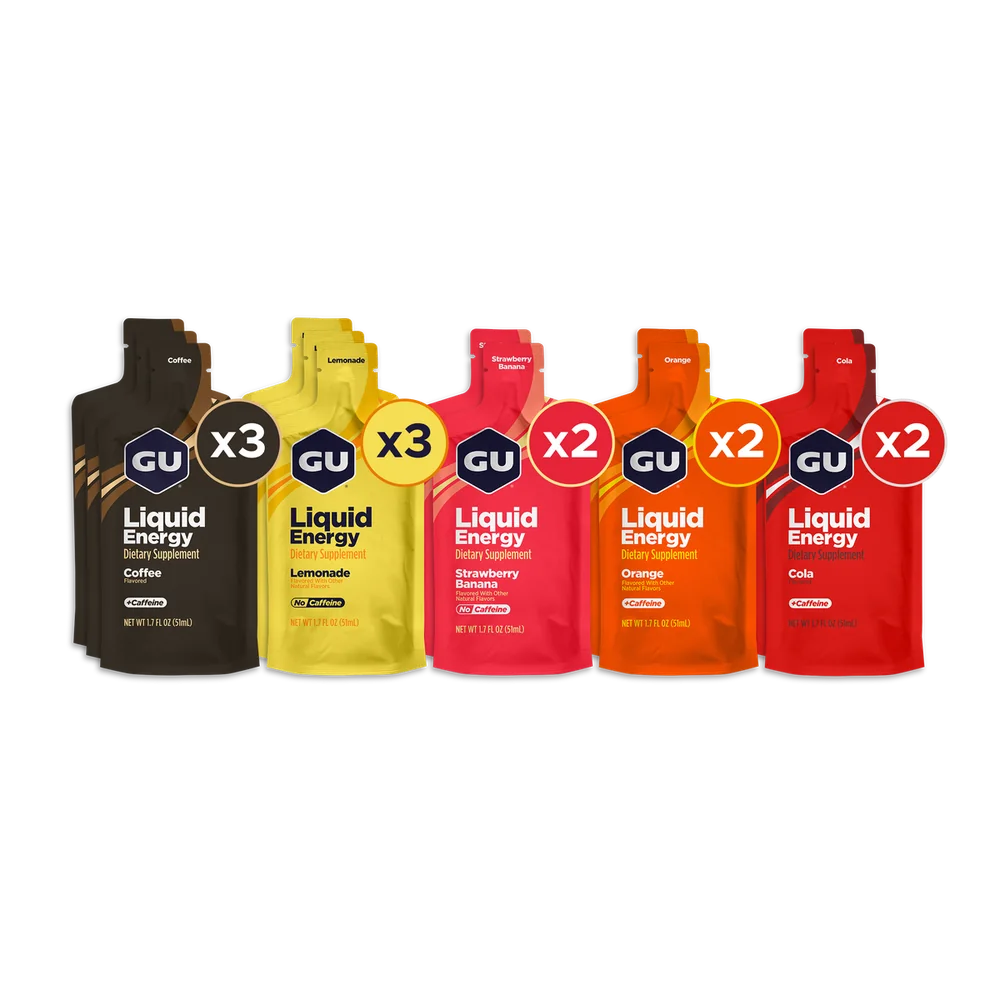
Tool
Fuel calculator
Activity, duration, intensity, body weight and the heat go in; carbs per hour, how many gels to carry and a minute-by-minute schedule come out. If the target feels high, start lower and build towards it over 6–8 weeks of gut training.
Get your numbers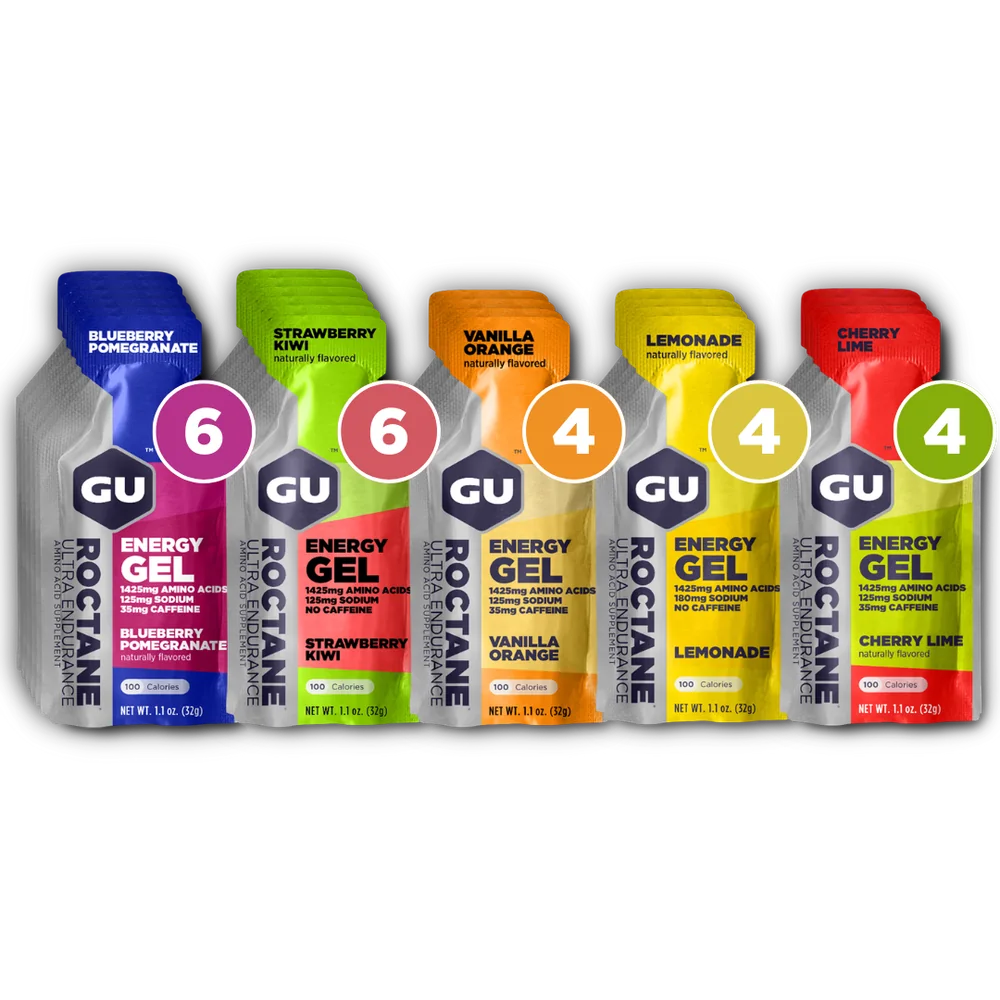
Shop
Shop the gels
Three lines, one job. Original for everyday training, Liquid Energy for the same carbohydrate in a lighter, smoother form, and Roctane with up to three times the sodium and three times the amino acids for the longest, hardest days.
Shop all gelsPractise the plan on a long session,
not on race day.
Nothing new on the day. Test the timing in training, note what your stomach says, and adjust from there.