
Fuel guide
Eat or drink your fuel? Gel vs liquid gel formats
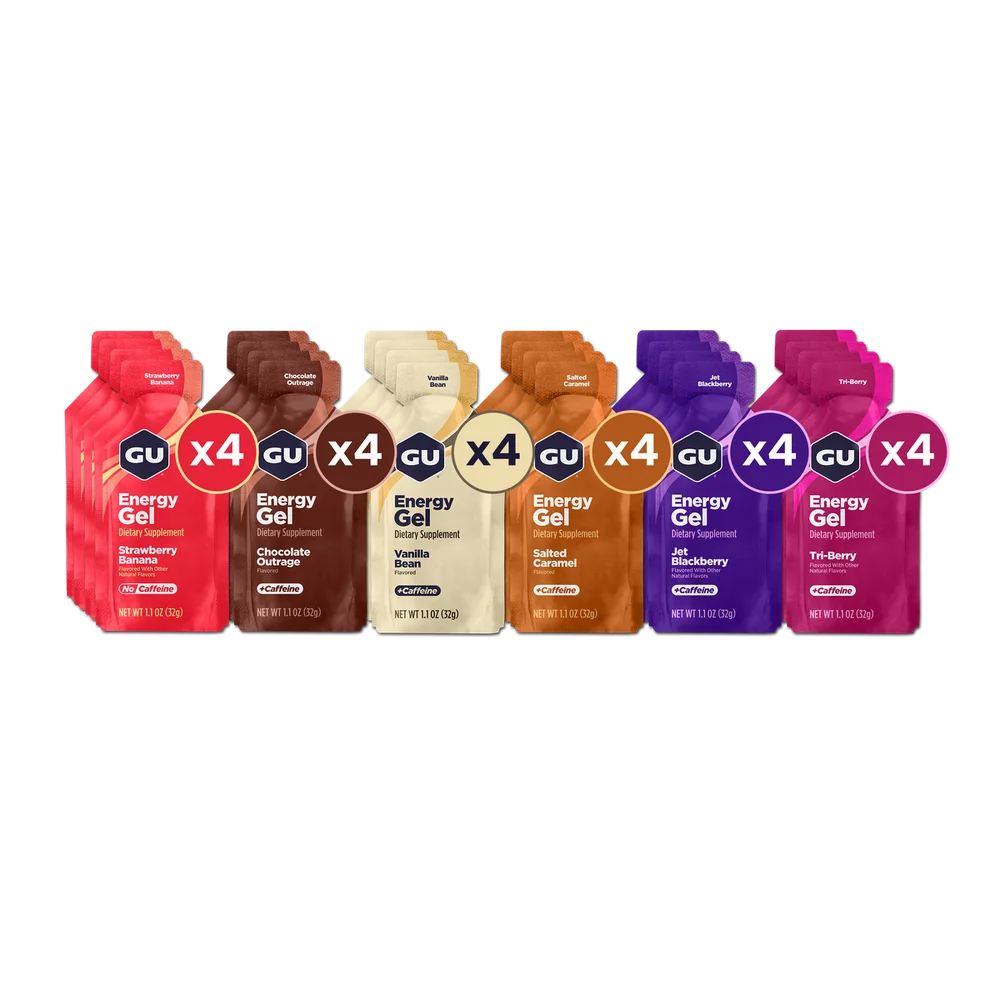
Some athletes want fuel they can squeeze, swallow and forget. Others want something to sip. All three of our gels deliver about 100 kcal per packet, but Original and Roctane are smooth gels you eat, while Liquid Energy is a thin liquid you drink. Here is how to pick the format that fits your sport, your stomach and the weather.
Why the format matters
Endurance performance runs on a steady supply of carbohydrate, and the format decides how easy it is to get down, how quickly you can take it in, and whether you can carry and open it mid-effort. A fuel you cannot face at kilometre 30 is not fuel.
Eating your fuel wins on portability and speed: one squeeze and you are back to breathing. Drinking it wins on gradual intake, and some athletes find the thinner texture easier on the stomach deep into a long day. Plenty of people use both in the same race. If you are weighing a gel against a bottle of sports drink instead, see Gels vs sports drinks.
The two formats at a glance
| Decision area | Eat it: Original and Roctane | Drink it: Liquid Energy |
|---|---|---|
| Texture | Smooth gel | Thin liquid, no chewing |
| Packet size | 32 g (1.1 oz) | 60 g (2.11 oz), about 51 ml |
| How you take it | Squeeze and swallow in one or two goes | Sip over a few minutes, or in one go |
| Energy per packet | 100 kcal | 100 kcal |
| Carbohydrate | 21–23 g Original; 19–21 g Roctane | 23–24 g |
| Sodium | 60–125 mg Original; 125–180 mg Roctane | 75 mg |
| Amino acids | 450 mg Original; 1,425 mg Roctane | 450 mg |
| Caffeine options | 0, 20 or 40 mg Original; 0, 35 or 70 mg Roctane | 0, 20 or 40 mg |
| Freezes for hot days | No | Yes, thanks to its higher water content |
| Carrying | Shorts pocket, race belt or jersey | Still pocket-sized, nearly twice the weight |
Both formats use the same carbohydrate blend: maltodextrin your muscles can use within minutes, plus fructose that arrives a little later, for a steady feed rather than a spike and a crash.
When eating your fuel makes sense
Running, where every gram counts
A 32 g packet disappears into a shorts pocket, and six Original gels for a marathon weigh under 200 g in total. That is why runners, from the humid start of the Mumbai Marathon to a trail race in the Western Ghats, tend to eat their fuel: take the gel just before a water station, wash it down with a few sips, and you are done in five seconds with one hand.
When you need more than carbohydrate
Roctane only comes as a smooth gel. If a long, hot or hard effort calls for up to three times the sodium and amino acids of Original, including taurine and beta-alanine, you will be eating your fuel. The same goes for the strongest caffeine hit: Roctane Cold Brew Coffee carries 70 mg per packet, against a maximum of 40 mg in any Liquid Energy flavour. Roctane vs Original covers when the extra support is worth it.
When drinking your fuel makes sense
Early starts and no appetite
Liquid Energy was made for the 5 am session where you cannot face eating. Drink one about five minutes before you start and you have 100 kcal on board without chewing anything thick.
Hard gym sessions and triathlon transitions
Sweaty HIIT work, a threshold turbo session or the dash from swim to bike are moments when a thick gel feels like effort. Liquid Energy goes down in a couple of swallows, which is why triathletes often keep one in transition; see Fuel for triathlon.
Flavour and texture fatigue on long days
By hour four of a brevet or an ultra, many athletes stop wanting anything sweet and sticky. Switching to a cold, thin liquid keeps the carbohydrate coming when the thought of another gel turns your stomach. The Plain & Simple flavour is deliberately neutral for exactly this reason.
Hot days: freeze it
Because it has a higher water content than Original, Liquid Energy freezes. Freeze a few packets the night before a 38 °C afternoon session in Delhi or Hyderabad and take one out as you leave: by the time you need it, it is a cold lemonade or orange slush. Original and Roctane carry less water and will not slush.
Tip: drinkable does not mean hydrating. A Liquid Energy packet holds some water, nowhere near what you sweat out. Keep drinking 475 to 890 ml of fluid per hour depending on heat and sweat rate, and take a few sips with each packet so the carbohydrate is absorbed faster.
What does not change
- Energy and timing. One packet of any format is 100 kcal. Take one about five minutes before you start, and once you are past the hour, one every 20 to 30 minutes. Aim for 200 to 300 kcal per hour; the gut can process around 300 to 400 kcal per hour at most.
- One Liquid Energy is not two gels. It carries the same 100 kcal and 450 mg of amino acids as an Original, so do not halve your schedule because the pouch is larger.
- Water. Every format is absorbed faster with a few sips of water alongside it.
- Diet. All three gels are vegan and gluten-free.
Mixing both formats in one plan
Good fuelling plans rarely stick to one format. Here is how a three-hour ride might combine all three gels; adjust it in training, not on race morning.
| Time | What | Why | kcal |
|---|---|---|---|
| 5 min before | Liquid Energy, Lemonade | Easy to get down before an early start | 100 |
| 0:30 | Original, Strawberry Banana | First feed, caffeine-free | 100 |
| 1:00 | Original, Tri-Berry (20 mg caffeine) | Small caffeine lift as the effort builds | 100 |
| 1:30 | Liquid Energy, Orange (20 mg caffeine) | Texture change, easy on a hot climb | 100 |
| 2:00 | Roctane, Lemonade | Our highest-sodium gel for the sweatiest hour | 100 |
| 2:30 | Roctane, Cherry Lime (35 mg caffeine) | Focus for the final push home | 100 |
That is 600 kcal over three hours, or 200 kcal per hour, the lower end of the target range, alongside 475 to 890 ml of fluid per hour. The fuel calculator will size a plan for your own duration and intensity.
What each format costs
| Gel | Box | Box price | Per packet |
|---|---|---|---|
| Original Energy Gel | 8 | ₹999 | about ₹125 |
| Liquid Energy Gel | 8 | ₹999 | about ₹125 |
| Roctane Energy Gel | 8 | ₹999 | about ₹125 |
Every line costs the same, ₹999 for a box of 8, so the choice between formats comes down to texture and when you take it, not price. Browse all gels for flavours and box sizes.
Test it in training. Try each format on a long session at race intensity and note how long it took to get down, whether you wanted water straight after, and how your stomach felt 20 minutes later.
FAQ
Is it better to eat or drink fuel during endurance exercise?
Both work. A gel is faster and lighter to carry; Liquid Energy lets you take carbohydrate in gradually and suits moments when you do not want to chew. Many athletes combine the two.
Can I combine gels and Liquid Energy in the same race?
Yes. Each packet is 100 kcal regardless of format, so count packets rather than formats and keep to the every-20-to-30-minute rhythm.
Does one Liquid Energy equal two Original gels?
No. The packet is larger, 60 g against 32 g, but it carries the same 100 kcal and 450 mg of amino acids as an Original gel. It adds variety, not a double dose.
Do I still need to drink water with Liquid Energy?
Yes. Drinkable is not the same as hydrating. Keep to roughly 475 to 890 ml of fluid per hour and take a few sips of water with each packet.
What should I think about when choosing a format?
Your sport, how long you will be out, and how easily you can carry and open fuel at pace. Running favours the lighter 32 g gel; gym sessions, transitions and hot days favour the drinkable one.
These statements have not been evaluated by a regulatory authority. This product is not intended to diagnose, treat, cure or prevent any disease.
Next steps
- Liquid Energy Gel: the drinkable format, ₹999 for a box of 8.
- Roctane vs Original: choose between the two smooth gels you eat.
- Train your gut: rehearse your chosen format before race day.
Next steps
Read it. Now use it.
Three places to go from here: the full plan, the calculator that does the maths for your distance and the weather, and the gels themselves.
Plan
How to fuel
The whole plan, hour by hour. One gel about five minutes before you start, then one every 20–30 minutes once you are out past the hour, with a few sips of water each time. Do not wait until you feel hungry or flat.
See the plan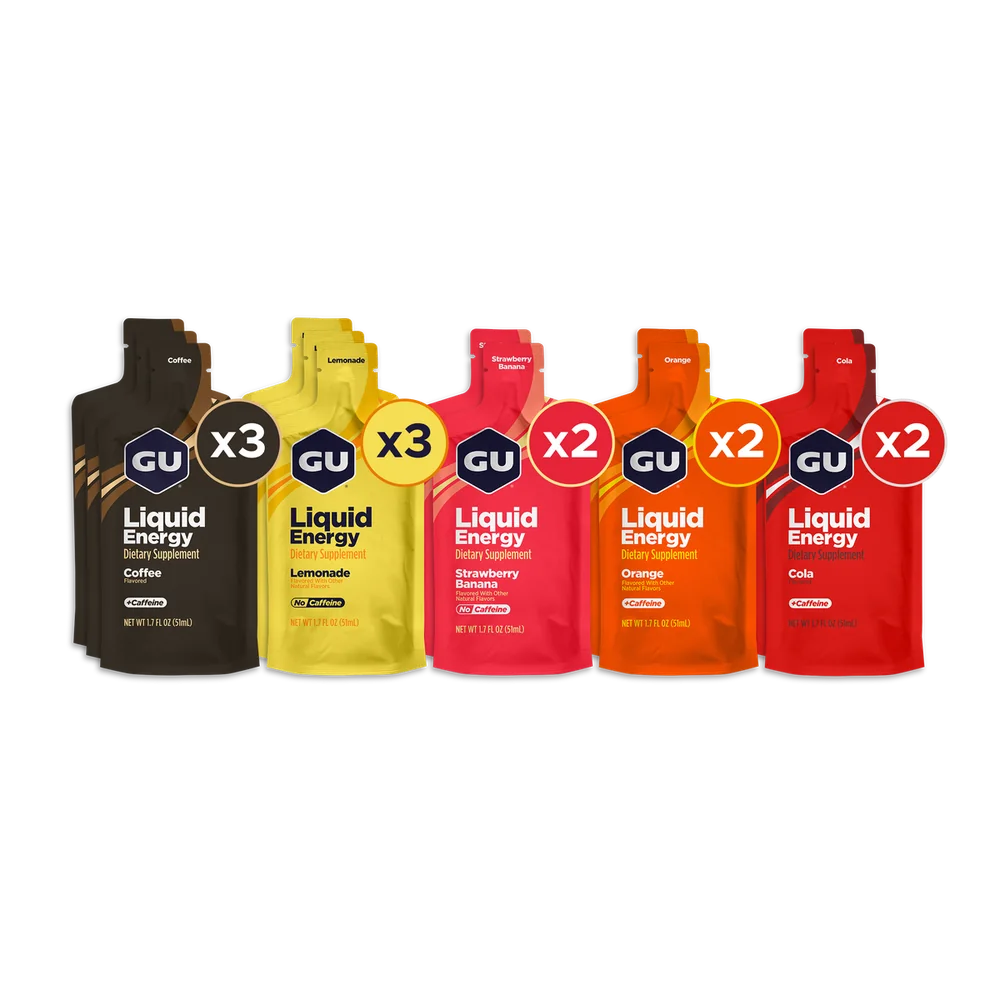
Tool
Fuel calculator
Activity, duration, intensity, body weight and the heat go in; carbs per hour, how many gels to carry and a minute-by-minute schedule come out. If the target feels high, start lower and build towards it over 6–8 weeks of gut training.
Get your numbers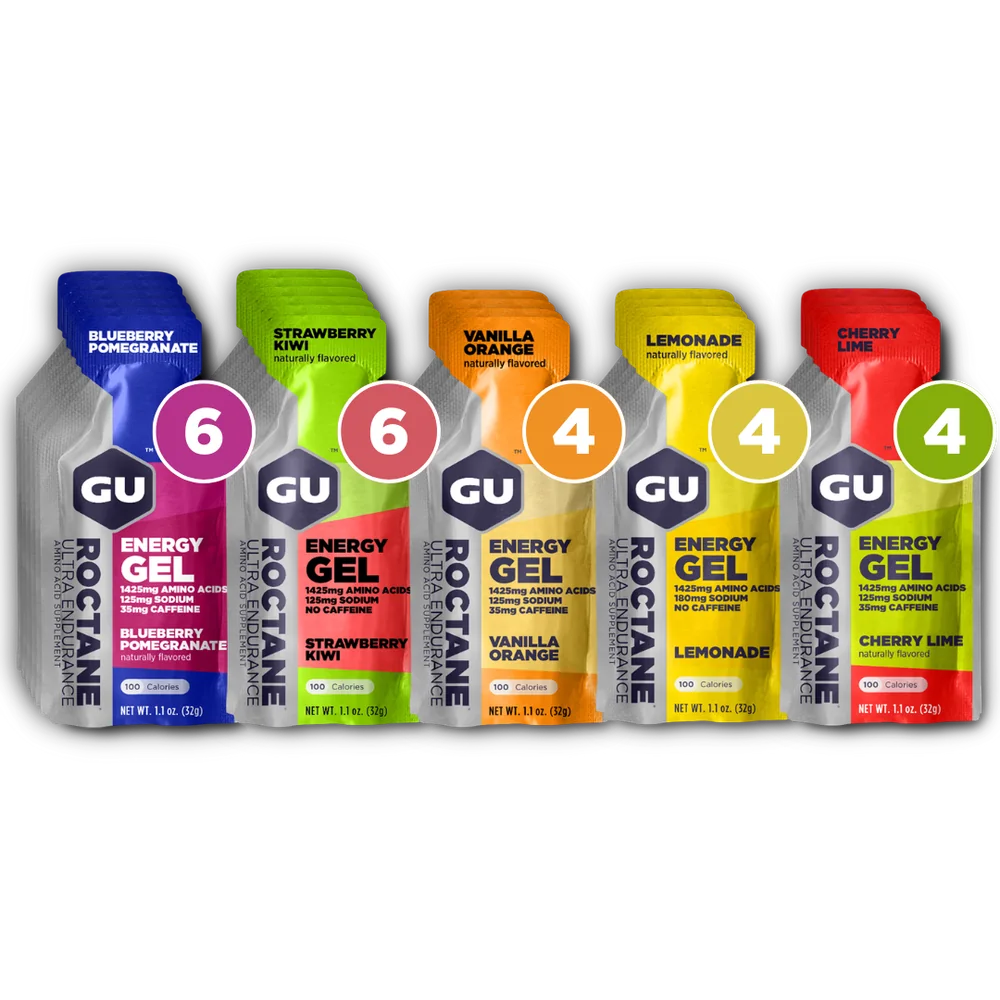
Shop
Shop the gels
Three lines, one job. Original for everyday training, Liquid Energy for the same carbohydrate in a lighter, smoother form, and Roctane with up to three times the sodium and three times the amino acids for the longest, hardest days.
Shop all gelsPractise the plan on a long session,
not on race day.
Nothing new on the day. Test the timing in training, note what your stomach says, and adjust from there.