Summer fuelling mistakes (and how to fix them)
Training through an Indian summer takes a certain stubbornness. The pre-monsoon months make a 6 am run in Delhi warm before the sun is properly up, and a Mumbai or Chennai morning adds humidity that stops sweat from doing its job. Willpower gets you out of the door; what gets you home in good shape is hydration, electrolytes and fuel taken at the right time. Even experienced athletes slip up here, so let us walk through the five most common summer fuelling mistakes and the fix for each.
One note before we start: we only stock gels. Where a fix calls for electrolyte capsules, hydration tabs, a drink mix or a recovery drink, use whichever brand your stomach already gets on with. The principle is what matters.
Mistake 1: treating sweat as plain water loss
Sweating is how your body keeps its temperature down, and in hot, humid weather you do a lot of it. The catch is that sweat is not just water. It carries sodium, chloride and magnesium out with it, and if you replace only the fluid you set yourself up for cramps, early fatigue and, at the sharp end, heat illness.
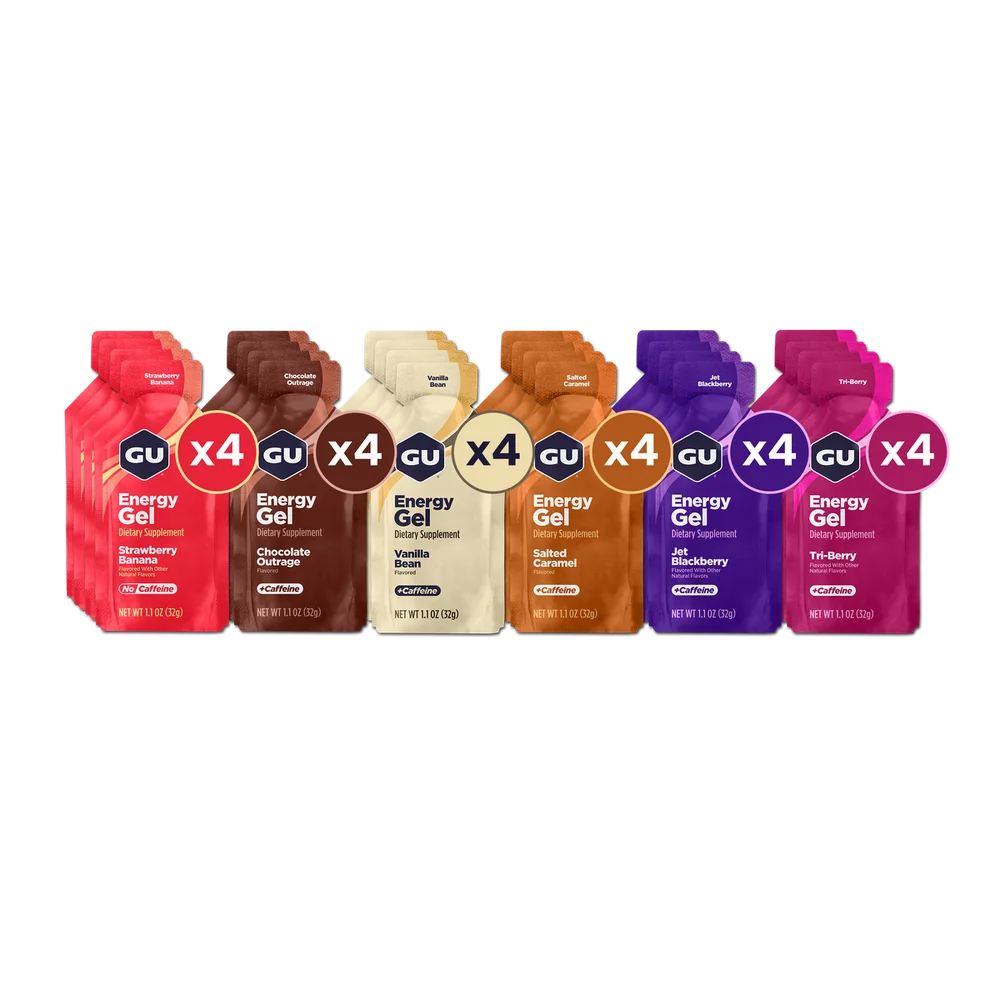
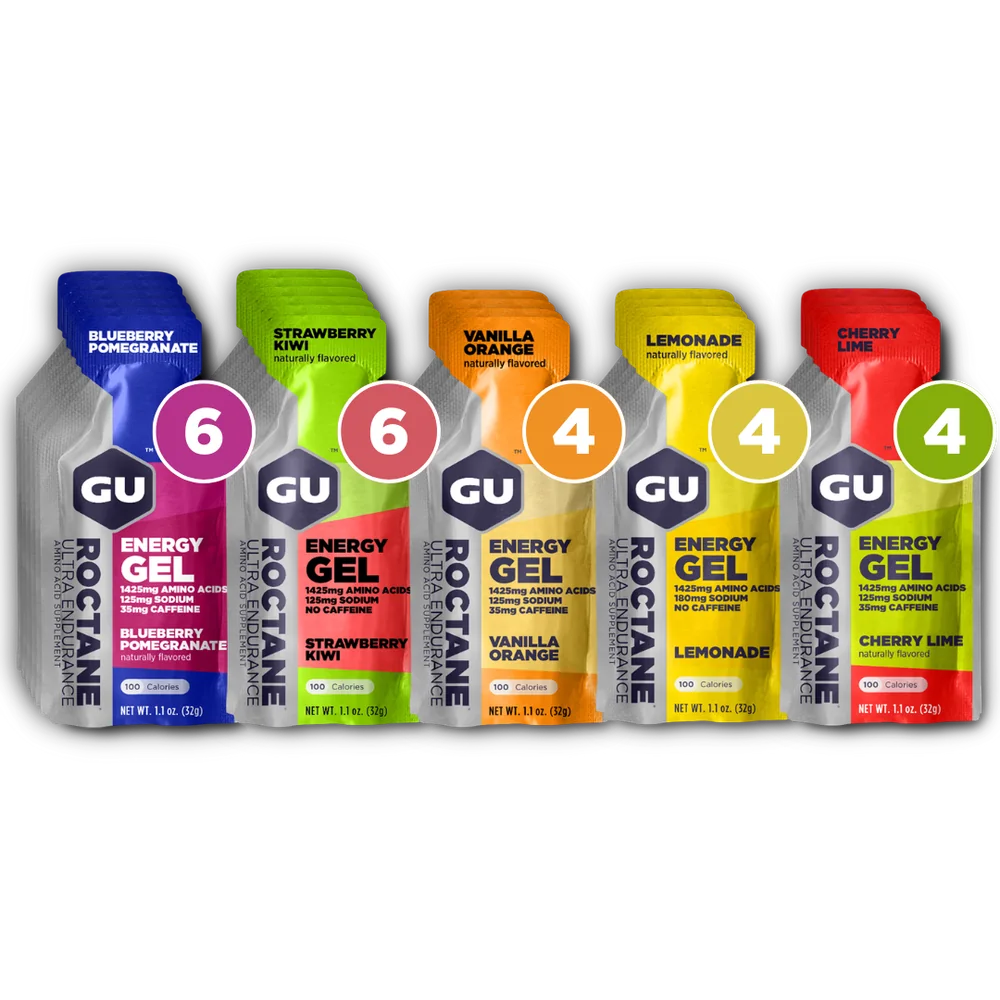
The fix. On long or hot sessions, carry electrolyte capsules and take them on a schedule rather than when you start to feel off; they weigh nothing, which makes them the practical option on a trail where refills are scarce. For shorter sessions, a hydration tab dissolved in your bottle gives you a baseline of sodium and amino acids. The gel in your pocket helps too: every packet of ours carries sodium, from 60–125 mg in Original Energy Gel up to 125–180 mg in Roctane Energy Gel. For the full picture on cramping, read muscle cramps and electrolytes.
Mistake 2: skipping fuel because the run is "short"
It is tempting to think fuel is only for the long run. But heat is an extra load on the body, and your energy stores drain faster on a hot day than on a cool one. Carbohydrate is what keeps both your muscles and your brain working, and the brain is usually the first thing to go wobbly in the heat.
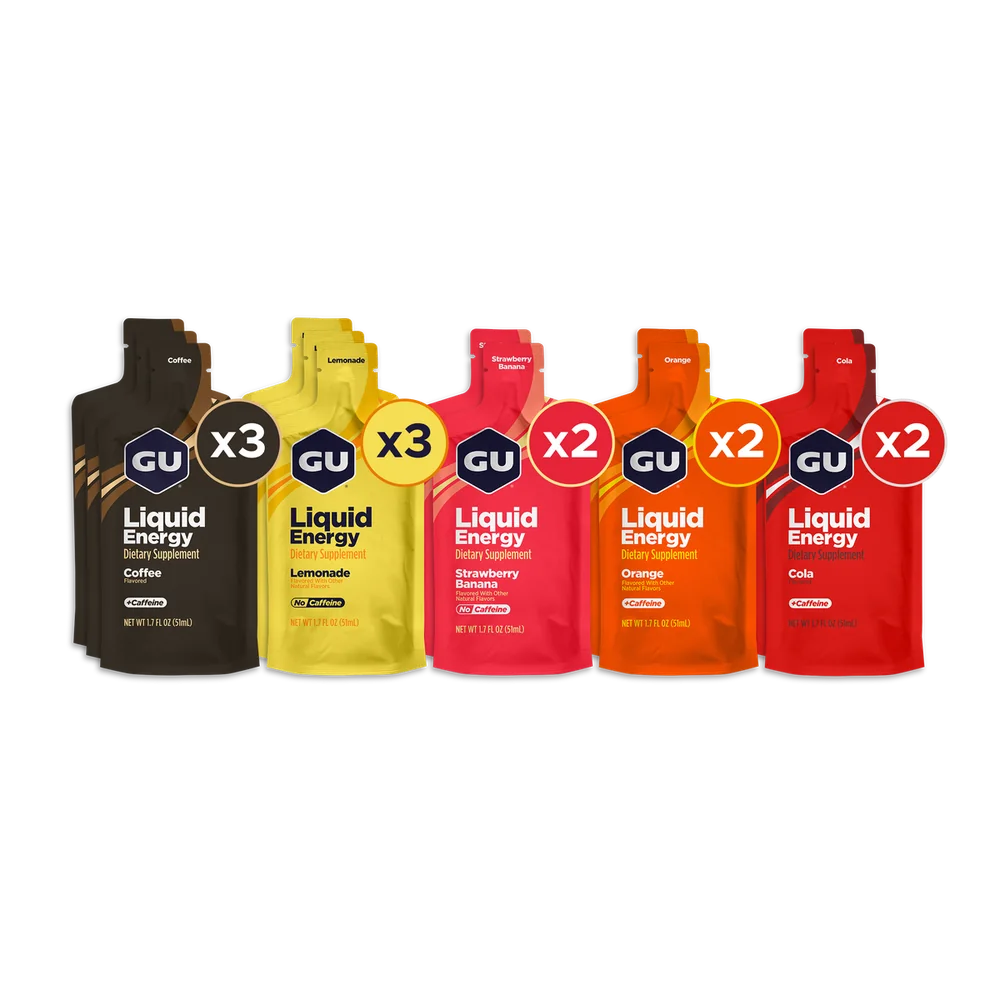
The fix. Take a gel before you head out for anything longer than 30–45 minutes in the heat. You get fast-acting carbohydrate and a dose of electrolytes, which together push fatigue further down the road even on a modest session. And if the thought of a sweet gel at 6 am puts you off, pick a flavour built for the season: Salted Watermelon in the Original range, or Lemonade in the Liquid and Roctane ranges.
Mistake 3: fuelling too late
Your gut needs time to digest and absorb what you give it, and it is slower at the job when you are under heat stress. Waiting until you feel yourself dragging, or until the first twinge of a cramp, means the fuel arrives after the damage is done.
The fix. Early and often: a gel every 20–30 minutes from the start, not from the moment you feel flat. On hot days the Liquid Energy Gel is the easy choice. It is thinner, goes down without a fight when your breathing is ragged, and carries 24 g of carbohydrate, 75 mg of sodium and 450 mg of amino acids in a form the stomach handles well in the heat. Our guide to training your gut shows how to practise this rhythm before you need it on race day.
Mistake 4: running the winter plan in May
The fuelling plan that carried you through the Mumbai Marathon in January will not carry you through a long run in May. Higher sweat rates mean you lose more sodium per hour, so you may need both more sodium and more fluid than your cool-weather routine delivers, particularly on hard or long days.
The fix. Rebuild the plan around the conditions rather than the distance. Start from a hydration plan tuned to your effort and the weather, then raise sodium where sweat is heaviest: swap some Original packets for Roctane, which carries more sodium and 1425 mg of amino acids per packet, and put a proper carbohydrate-electrolyte drink mix in the bottle for long or intense sessions. The Roctane Energy Drink Mix from the same lab that makes our gels is built for exactly this, with 320 mg of sodium plus carbohydrate and amino acids per serving; we do not stock it, so check the sodium on the label of whichever mix you use.
Mistake 5: treating recovery as optional
A hot workout takes more out of you than the same workout in cool weather, which makes the recovery window more important, not less. Skip the post-session food and you bounce back slower and adapt less to the training you just did.
The fix. Eat or drink something within 30 minutes of stopping, with carbohydrate to restock glycogen, protein to rebuild muscle and some sodium to kick-start rehydration. A recovery drink with that carb-to-protein ratio is the convenient option; a plate of curd rice, or dal and rice with a pinch of extra salt, does the job too. The only rule is: do not skip it.
The five mistakes at a glance
| Mistake | Why it matters | Fix |
|---|---|---|
| Underestimating electrolyte loss | Sweat takes sodium and key minerals with it, raising cramp and heat-illness risk | Electrolyte capsules or tabs during and after; gels add sodium too |
| Skipping fuel on short runs | Heat raises energy demand even on short sessions; no carbs means early fatigue | A gel before anything over 30–45 minutes in the heat |
| Fuelling too late | Fuel taken once you are dragging is absorbed badly and arrives late | A gel every 20–30 minutes from the start; Liquid Energy Gel in hot weather |
| Not adjusting for the weather | Hotter means sweatier, which means more sodium and carbohydrate needed | More sodium per hour: Roctane gels, plus a drink mix with real sodium in it |
| Neglecting recovery | Poor recovery means slower adaptation and more fatigue next time | Carbs, protein and sodium within 30 minutes of finishing |
Quick summer running checklist
- Pre-hydrate with fluid and electrolytes before you start.
- Fuel early and consistently, every 20–30 minutes.
- Run early morning or evening, not through the middle of the day.
- Adjust pace expectations to the heat and humidity; your watch does not know it is 38 °C.
- Practise your race-day fuelling in training, in the same conditions.
- Listen to your body. Summer is not the time to play hero if you feel off.
Stay cool, stay fuelled
Hot-weather training does not have to be miserable; it just has to be planned. Avoiding these five mistakes is often the difference between dragging through a session and finishing strong. For the bigger picture on racing when it is hot, read training and racing in the heat, then put your own numbers into the fuel calculator to build a plan for the season.
These statements have not been evaluated by a regulatory authority. This product is not intended to diagnose, treat, cure or prevent any disease.