Muscle cramps, sodium and how to avoid them
You are 28 km into a long run, holding pace nicely, and then your calf locks solid. A cramp can end a good day in two strides. The reassuring part is that cramps are common and mostly manageable. Here is what a cramp is, where sodium fits in, what to do in the moment, and how to make the next one less likely.
What a cramp actually is
Sports scientists call them exercise-associated muscle cramps, or EAMCs: involuntary contractions where a muscle tightens and refuses to let go, usually during or soon after hard activity starts. They are common: up to two-thirds of triathletes, marathoners and distance cyclists report cramping during or after training or racing.
They are also awkward to research. Cramps arrive without warning, so they are hard to reproduce in a lab, and the evidence on causes and cures is thinner than you would expect for something this common.
Why cramps happen
Two theories have competed for years. The fluid-electrolyte theory says dehydration, a shortage of electrolytes, or both, are the trigger. Your muscles depend on sodium, potassium, magnesium and calcium to contract and relax properly, and all four leave the body in sweat.
The altered neuromuscular control theory says fatigue is the real culprit. As a muscle tires, the balance between the nerves that fire it and the signals that tell it to relax drifts, the motor nerves become over-excitable, and the muscle seizes.
Neither theory explains every cramp on its own. The current view is that several risk factors stack up at once: dehydration and fatigue are the big two, but poor sleep, some medications and older age all appear to raise the odds. The triggers you can act on are electrolyte loss, dehydration, muscle fatigue, going out too hard or spiking the intensity suddenly, and muscles that are simply not conditioned for the day's demands.
Where sodium fits in
Sodium gets top billing among the electrolytes for a reason. It is the primary one you lose in sweat, and it helps your body hold onto the fluid you drink instead of passing it straight through. Lose a lot and you end up both dehydrated and short of it.
The numbers are bigger than most people assume. During exercise you can lose over 1,000 mg of sodium an hour, and more when it is hot and humid. A sticky January morning in Mumbai or a summer climb in the Western Ghats pulls more salt out of you than a cool, dry day at the same effort.
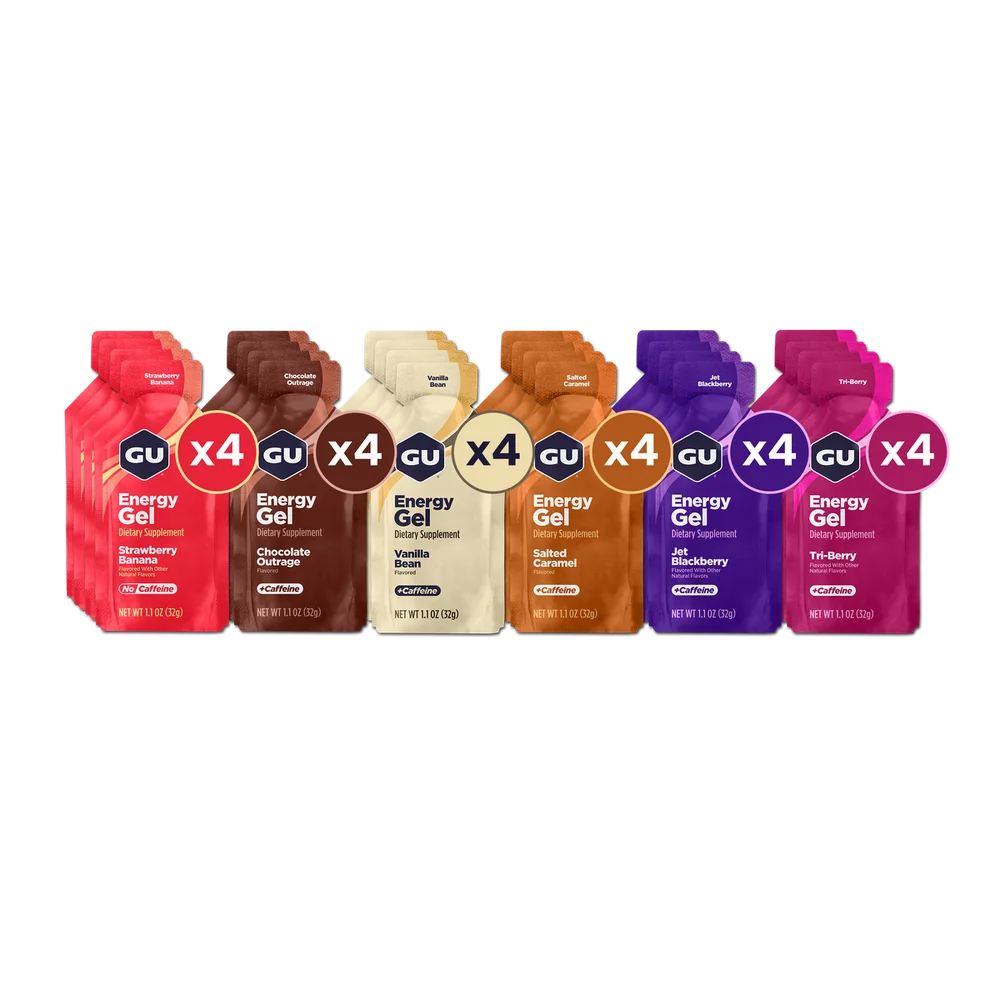
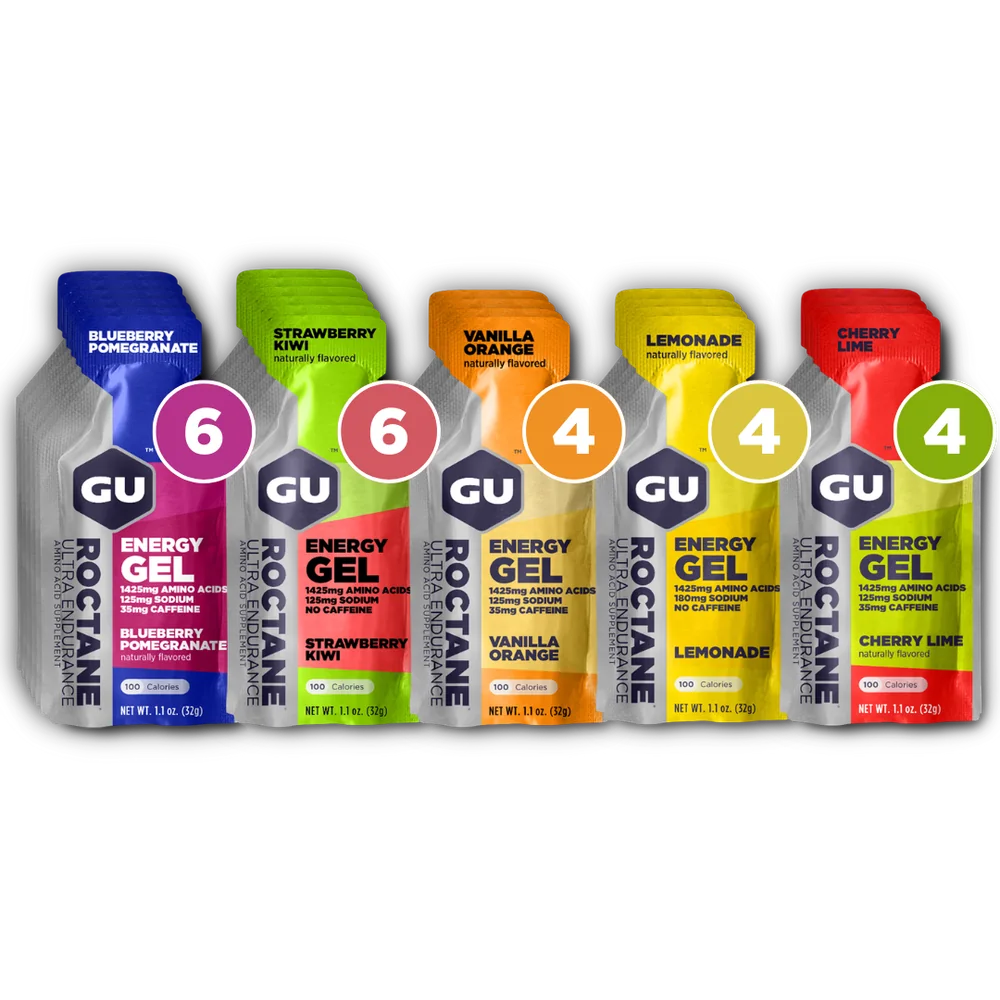
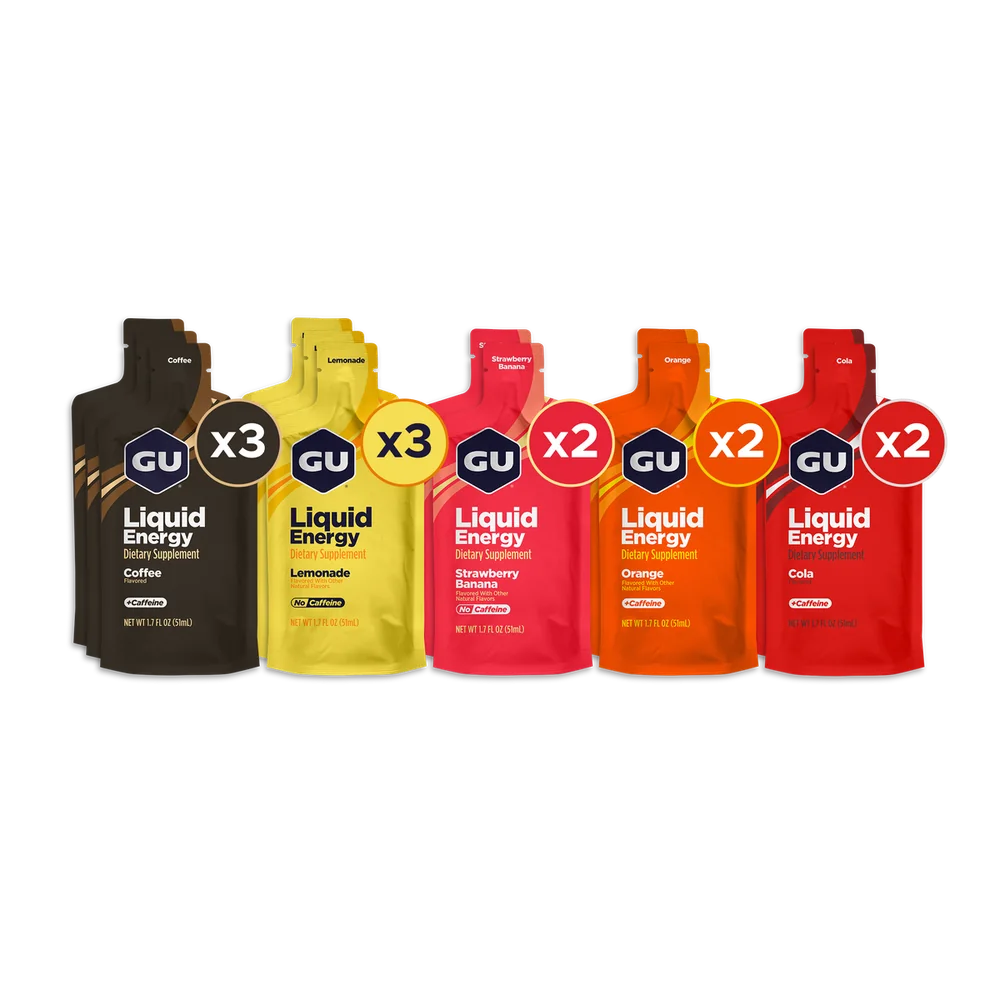
Every gel we sell carries some sodium alongside its carbohydrate, so each one you take is a small top-up:
| Gel | Sodium per packet |
|---|---|
| Original Energy Gel | 60–125 mg, depending on flavour |
| Liquid Energy Gel | 75 mg |
| Roctane Energy Gel | 125–180 mg, up to three times an Original |
Roctane was built for longer, hotter, harder days, and Roctane Lemonade has the most sodium of any flavour in the range; it was designed with hot-weather training in mind.
Be honest with the arithmetic, though. Two or three gels an hour adds up to a few hundred milligrams, which does not cover a heavy sweater losing over a gram. On hot days, or beyond a couple of hours, treat gels as your carbohydrate plan and get the rest of your sodium from an electrolyte drink or tablets in your bottle.
What to do when a cramp hits
Even a perfect plan will not stop every cramp, so know the drill before you need it.
- Stop and stretch. Gently stretching the cramping muscle is the safest and most effective treatment there is. Hold for 15–30 seconds, ease off, and repeat until it lets go. For a calf, straighten the leg and pull your toes towards your shin.
- Rest if it will not release. A short pause lets the muscle's firing pattern settle back to normal.
- Massage or press on it. Working the muscle with your hands helps it release faster.
- Drink something. Water with electrolytes, a carbohydrate drink, or both. Fluids take about 15 minutes to change blood plasma volume and concentration, so stretching is the quicker fix and drinking stops the cramp coming straight back.
- Walk it out. Once it releases, keep moving slowly rather than standing still; blood flow helps the muscle recover.
The pickle-juice question
Sharp, pungent things such as vinegar, ginger, cinnamon and chilli activate receptors in the mouth (TRP receptors) that may calm the over-firing nerves behind a cramp. Some research found that under 90 ml (3 oz) of pickle juice shortened cramps about 37% faster than water and 45% faster than drinking nothing. It is speculative, most of the evidence is anecdotal, and it works through the mouth, not as an electrolyte dose. Worth a try, not worth planning around.
How to make the next cramp less likely
Hydrate before, during and after
Drink at least 475–600 ml (16–20 oz) of water about two hours before you start, sip steadily through the session, especially in the heat, and afterwards replace what you lost with fluid that contains sodium, not plain water alone.
Keep electrolytes topped up
Each has a job. Sodium holds fluid and guards against dehydration. Potassium and magnesium support normal muscle function. Calcium is central to the contraction itself. On long or sweaty sessions, carry them, not just water.
Get stronger
Weak or tired muscles cramp first. Build leg and core strength to support your running form, warm up dynamically before the hard part, and raise intensity gradually so muscles adapt before you load them.
Eat for it
Leafy greens, nuts and bananas for magnesium; sweet potatoes and oranges for potassium. A normal, varied diet does most of this work.
Pace it
Start comfortably and build. Follow a structured plan with progressive mileage, and avoid sudden spikes in intensity you have not trained for. Going out too fast is the classic route to early fatigue and a cramp at 30 km.
Can you avoid cramps completely?
Not with certainty. But most cramps trace back to fatigue, electrolyte imbalance or dehydration, and all three are manageable. If you cramp regularly, keep a simple log: what you drank and ate, how hot it was, how hard you went, how you slept. A pattern usually shows up, and a small change in the right place makes a big difference. If the cramp keeps hitting the same muscle, look at your training volume and strength work before you look at your bottle.
Slow down, stretch, sip
Cramps are part of endurance sport, not proof you did something wrong. When one hits, slow down, stretch, sip, and let it pass. Between races, drink and salt sensibly, build strength, and pace the early kilometres like you intend to finish. For how fuel and fluid divide the work, read our guide to energy vs hydration, and if you train through the Indian summer, training and racing in the heat covers what hot days demand.
These statements have not been evaluated by a regulatory authority. This product is not intended to diagnose, treat, cure or prevent any disease.