The cycling nutrition guide
Every long ride has the same moment. Somewhere past the 90-minute mark the legs turn heavy, the mind wanders and a rise you would normally spin over starts to look like a mountain. Whether you are building up to your first 100 km, a weekend fondo or a first race, what you eat and drink, and when, decides whether that moment is a blip or the end of your day. This guide walks through the whole ride: the numbers, the checklist, and what to take before, during and after.
Why nutrition matters on the bike
Cycling asks for a steady stream of energy. Early on, your body runs on glycogen stored in the muscles and liver, but after roughly 90 minutes those stores begin to run low. That is when fatigue, cramping and mental fog roll in, and it is why so many riders feel brilliant for an hour and a half and then fall apart.
The fix is not complicated: fuel early and fuel consistently. The targets look like this:
- 30–60 g of carbohydrate an hour on rides under three hours
- up to 90 g an hour on longer efforts
- electrolytes alongside the carbohydrate to stay hydrated, and amino acids to help preserve working muscle
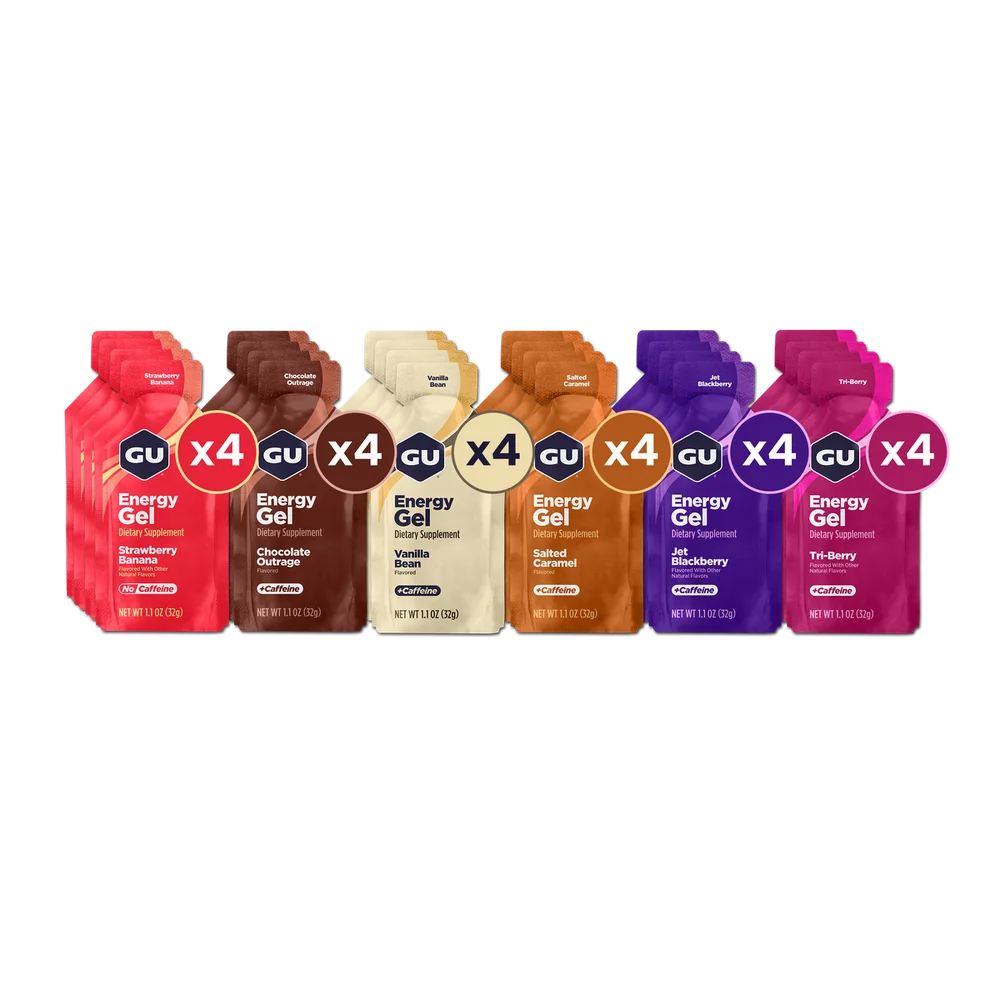
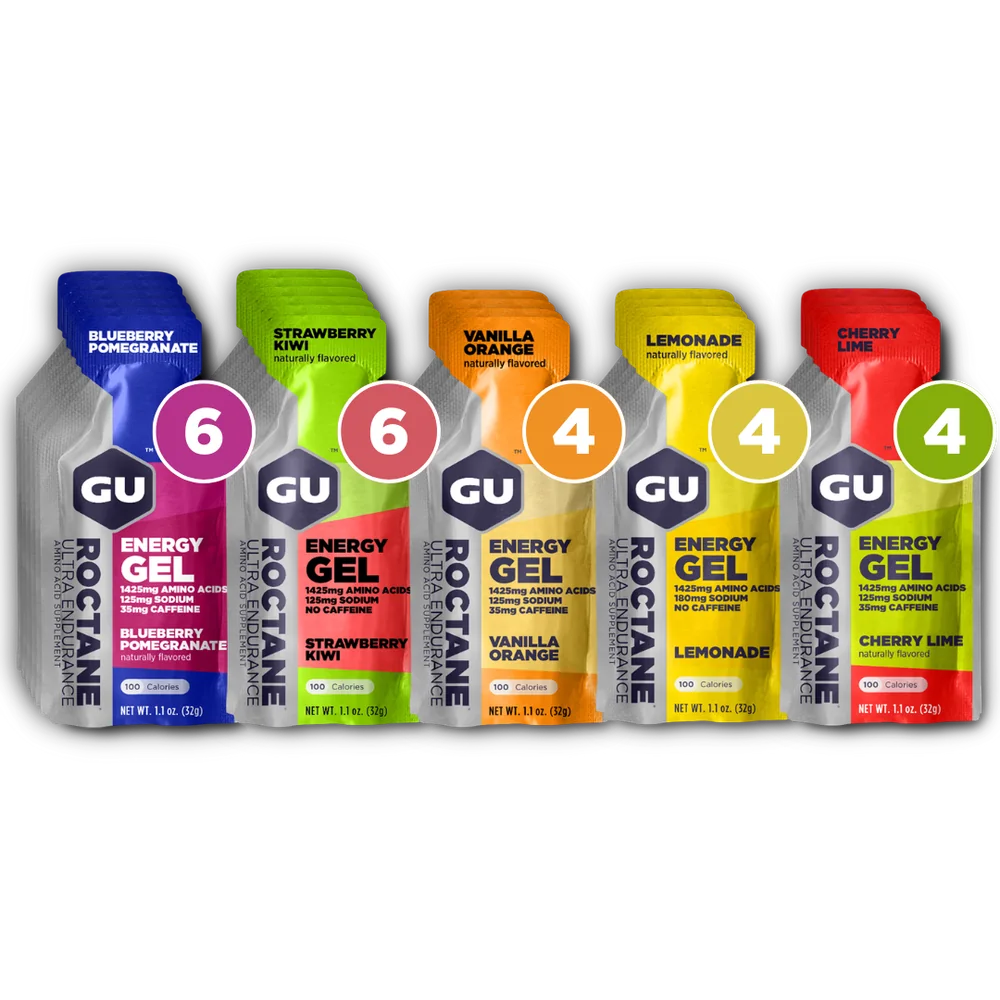
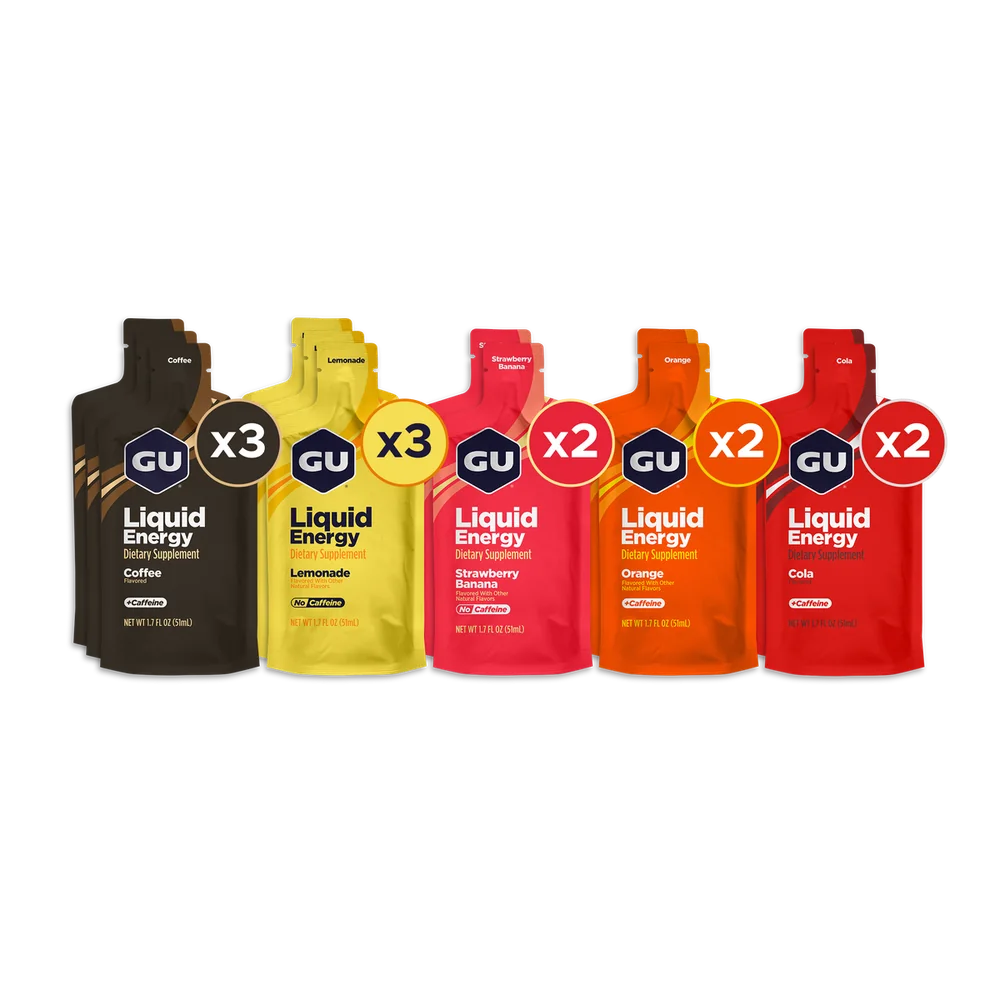
One gel carries about 21 g of carbohydrate (Original or Roctane) or 24 g (Liquid), so a gel every 20–30 minutes lands you in the 40–60 g range on its own. Anything above that comes from what is in your bottle and your pockets.
Preparing for a first race or long ride
If you are asking how to prepare for your first bike race, or what to eat on your first century, start with this checklist and the rest falls into place.
- Practise with your fuel on training rides, not just on race day. Your gut adapts the way your legs do, and our train your gut guide shows how to build it up.
- Hydrate regularly. Bottles or a hydration pack, depending on your route and preference; what matters is that you keep drinking.
- Eat before you are hungry and drink before you are thirsty. Hunger and thirst are late signals, and on a bike they arrive after the damage is done.
- Split your fuelling across formats: gels, chews, drinks and solid food, so no single thing has to carry the whole ride.
Before the ride
Top up 30–60 minutes before wheels down. You are after a light mix of carbohydrate so you start with a full tank, and electrolytes in your first bottle to cover the sweat you lose in the opening hour. Something simple and familiar works: a waffle or a slice of toast, and an electrolyte tab dissolved in the bottle. Do not experiment here. The pre-ride snack you have eaten twenty times is the right one.
During the ride
Once you are rolling, settle into a rhythm: fuel every 20–30 minutes and sip fluid steadily rather than in big gulps. On flat and rolling terrain the Original Energy Gel is the default. It gives fast-acting carbohydrate, electrolytes and, in some flavours, caffeine; Vanilla Bean, Salted Caramel and Jet Blackberry are the ones riders keep coming back to. Chase every gel with a few mouthfuls of water.
Alongside gels, chews are easy to carry and come in split servings so you can nibble a few at a time, and a carbohydrate drink mix puts carbs, sodium and amino acids into one bottle. We only stock gels, so use whichever chews or drink mix your stomach already gets on with.
Alternate your fuel. Four hours of the same flavour gets old, and palate fatigue is a real reason riders stop eating. Rotate between a gel, a few chews and a mouthful of drink mix, switch flavours between gels, and you will keep eating all the way to the finish.
Long climbs and hard intervals
The long drag up a Western Ghats pass, or a set of intervals on the flat, are the high-output moments of a ride, and the classic mistake is waiting until you feel empty. Fuel into the effort, not after it.
- Roctane Energy Gel (Strawberry Kiwi or Salted Lime) carries more sodium and amino acids than Original, which helps delay muscle fatigue when the effort is sustained.
- Liquid Energy Gel (Orange or Coffee) has a thinner texture that is easier to swallow when your heart rate is high and your breathing is ragged.
If you are not sure which of the three suits you, our comparison of Roctane vs Original is the short read.
After the ride
Recovery is where the gains are made. In the hours after a hard ride you want carbohydrate to restock glycogen and protein to rebuild muscle; a recovery drink or a proper meal does the job. Some riders add BCAA or magnesium supplements to support muscle repair and immunity. We do not sell recovery products, so the only rule we will give is this: do not skip the meal. The next ride starts here.
Bottles or a hydration pack?
A common question before a first race is whether to ride with a hydration pack. Here is the short answer.
- Hydration packs suit long solo rides and gravel, where aid stations and refills are scarce and you want a couple of litres on your back.
- Bottles suit road races and group rides, where weight and aerodynamics matter and there are shops, support cars or feed zones along the way.
Whichever you carry, sip every 10–15 minutes, and more often in heat or humidity. A 6 am start in Chennai in May will have you emptying bottles far faster than a winter morning on the loop out to Nandi Hills, so plan refills before you need them.
Cycling nutrition FAQs
What is the best fuel for long-distance cycling? A mix of carbohydrate, electrolytes and amino acids. Gels, chews and a carbohydrate drink mix together keep your energy up and your muscles working efficiently.
Where do I start with fuelling in training? Treat every long ride as a rehearsal for race day: a gel every 20–30 minutes, and a mix of formats so your gut stays happy.
What is the best hydration strategy for racing? Bottles if you are racing or riding fast; a hydration pack for long solo or adventure rides. In both cases put electrolytes in the bottle: a tab for plain hydration, or a drink mix if you also want carbohydrate from it.
Every ride is a chance to dial in your nutrition. Train with your fuel, hydrate with purpose, and the moment on the climb when the legs go heavy becomes a moment you ride through. For the full plan by ride length, from a one-hour session to a 200 km brevet, read our guide to fuelling for cycling, then put your own numbers into the fuel calculator.
These statements have not been evaluated by a regulatory authority. This product is not intended to diagnose, treat, cure or prevent any disease.