Cold-weather fuelling
Cold does strange things to an athlete. Your fingers stop working, your nose runs, the bar in your pocket sets like concrete and, strangely, you do not feel hungry or thirsty at all. That last part is the trap. Your body is burning more energy than usual just to stay warm, and whether you are running through a foggy January dawn in Delhi, trekking in Himachal in December or riding over a Ladakh pass, under-fuelling catches up with you fast. Here is how to eat and drink your way through it.
What the cold does to your body
As the temperature drops your body does two things. It turns up its metabolism to make heat, and it pulls blood away from your hands and feet towards your core. That is why buckling a helmet or tying a lace turns into a fumble once the fingers go numb. Stay out without enough insulation and the risk of cold injury, from frostnip to frostbite and hypothermia, climbs, and it climbs faster if you are under-dressed, under-fed and dehydrated.
Making heat is not free. Shivering and non-shivering thermogenesis both burn energy, so the same effort costs more calories outdoors in winter than it would indoors. Spend enough time in the cold and you acclimatise, partly by building more brown fat, a metabolically active tissue (the same kind that keeps cold-water mammals warm) whose mitochondria crank up heat production.
How big is the effect? One study of cold-water immersion, an hour in 14°C water, measured calorie burn rising by as much as 350%. Water pulls heat out of you far faster than air, so do not expect that number on a cold run, but polar research points the same way: staying warm is work, so energy use climbs as the temperature falls. A 2024 paper on cold exposure and energy metabolism puts it simply: cold significantly increases heat production and energy expenditure.
Why under-fuelling sneaks up on you
Here is the catch. Cold blunts appetite, so you may not feel hungry, or even particularly tired, while your reserves drain. A runner who feels sluggish in winter, or a rider who bonks earlier than usual, is rarely unfit; they are burning stored energy faster than normal and have not replaced it.
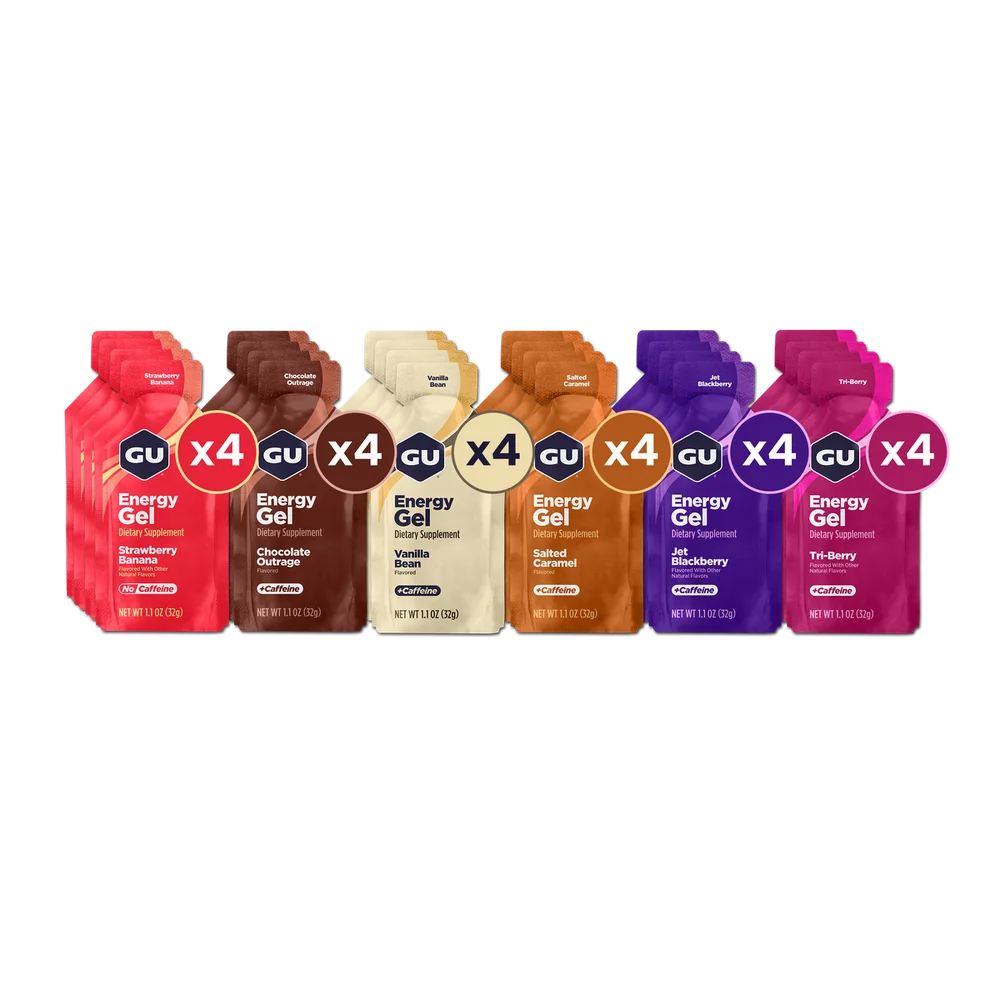
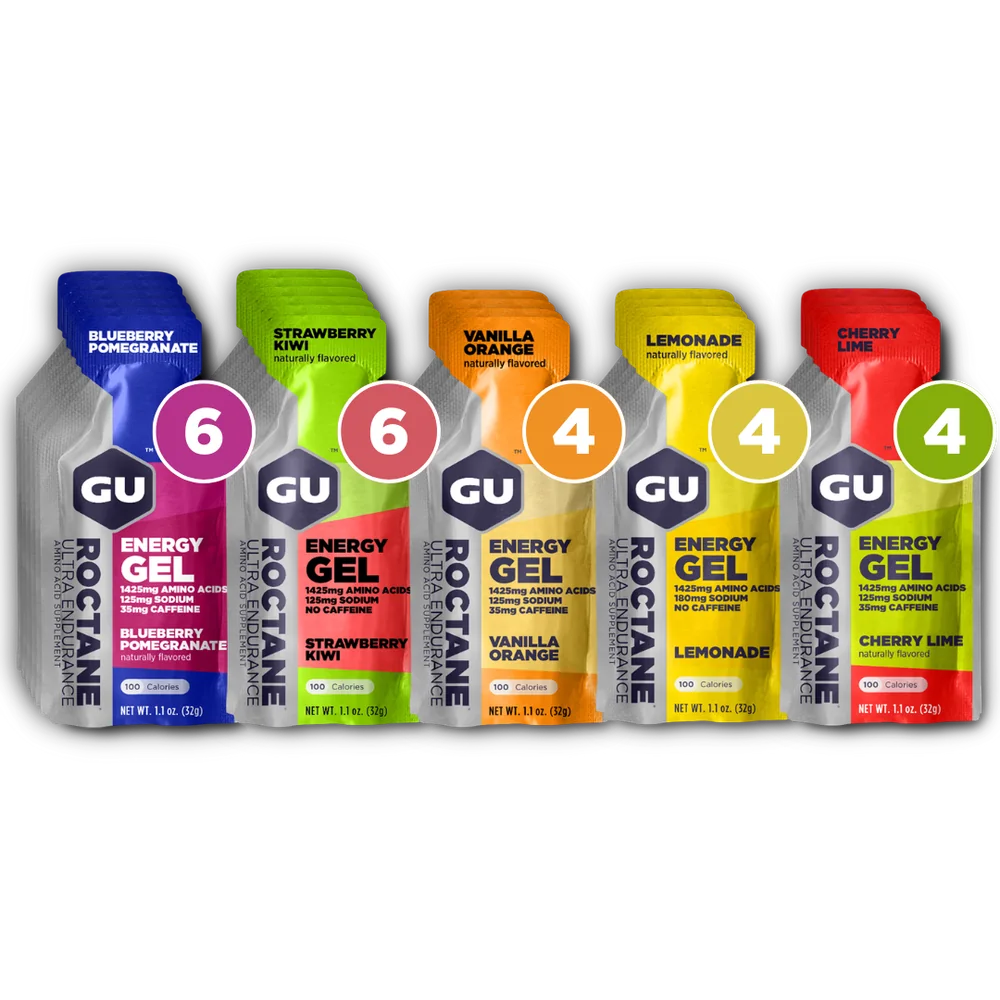
In the cold your metabolism leans harder on quick-digesting carbohydrate, especially during hard efforts and back-to-back sessions. So the rule is the same as for any endurance event, only applied sooner: fuel early and fuel often, whether or not you are sweating. Pick simple, portable carbohydrate that you can open with gloves on and that will not freeze solid. The Original Energy Gel gives you 100 calories of fast carbohydrate plus amino acids; for longer, colder sessions the Roctane Energy Gel carries more sodium and amino acids.
Hydration in the cold
Dehydration is sneakier in winter than in summer. You sweat less, you feel less thirsty, and cold, dry air takes moisture out of you with every breath. On top of that, cold triggers a diuresis, so you urinate more often. Fluid leaves on three fronts while the signal to drink stays quiet.
Even mild dehydration dents endurance and mental clarity, and on a mountain clear thinking is a safety matter. Keeping your sodium up helps you hold on to the fluid you drink and delays early fatigue, so put electrolytes in whatever is in your bottle and drink to a schedule rather than to thirst.
Seven ways to keep eating when it is freezing
- Watch the water content. Food with less water in it is less likely to freeze, and less likely to cost you a tooth. Trail mix, homemade energy bites, crackers with nut butter, fruit leather, cheese sticks and, closer to home, chikki all travel well. Stroopwafels are light, tough and calorie-dense.
- Carry a thermos. Drinking your calories hot warms your core, delivers energy and keeps you hydrated in dry cold. Mix your electrolyte or sports drink with hot water, or bring tea or coffee and stir in an energy gel (Salted Caramel in coffee is better than it sounds), a sweetener or MCT powder for calories. Instant soup sachets are good on long days and put back some of the sodium you lose.
- Go savoury. Savoury food is more appealing in the cold because we associate it with being served warm. Listen to that: jerky (or a vegetarian version), nuts, seeds, roasted chana and other roasted pulses. The polar explorers of a century ago lived on pemmican; roasted chana is the easier modern option.
- Pack like you mean it. Keep snacks against your body so they stay warm, insulate liquids in a thermos, and if you carry a hydration bladder protect the reservoir and hose or you will be hauling an ice block. A hand warmer in the same pocket as your next snack keeps it soft enough to eat.
- Sip and nibble all day. Make a deliberate effort to eat and drink little and often rather than at one big stop. Rebecca Rusch, the seven-time world champion who rode the Iditarod Trail Invitational 350 through the Alaskan winter, puts it in four words: eat early, eat often. You still dehydrate in the cold, so drink before you are thirsty. Running short on energy or fluid raises your injury risk and dulls the judgement that keeps you safe out there.
- Pick a protein. Digesting food produces heat, known as the thermic effect of food. Carbohydrate and fat cost roughly 5–15% of the calories you eat to process; protein costs 20–35%, so a protein-rich snack gives you a short-lived rise in heat production. (The "meat sweats" are real.) Spicy foods such as chillies and cinnamon raise the thermic effect too.
- Do not eat the snow. Not the yellow snow, not any snow. You never know where it has been.
A cold-day plan in three lines. Eat 30–60 minutes before you start, because cold suppresses appetite and the pre-session snack is the easiest one to skip. During the session take a gel every 20–30 minutes, Roctane if it is a long one; energy needs stay high even when you are barely sweating. Afterwards, recover with intention: cold adds stress to muscles and metabolism, so get carbohydrate, protein and sodium in soon after you stop.
Why it matters
You can train just as hard in the cold; you simply have to fuel more deliberately than your appetite suggests. Hydration, energy and recovery are the foundation that keeps you moving when the temperature falls. Winter training is also where strength, resilience and discipline get built, and with a fuelling plan it becomes an advantage rather than a setback.
For plans by activity, read our guides to fuelling for hiking and fuelling for ski and snowboard days.
These statements have not been evaluated by a regulatory authority. This product is not intended to diagnose, treat, cure or prevent any disease.