A beginner's guide to energy gels
An energy gel is a small, squeezable sachet of carbohydrate that you take mid-run or mid-ride to keep your energy up without stopping to eat. If you have never used one, this guide covers what is in a gel, how it works, how long it lasts, and the handful of habits that keep your stomach happy on race day.
What an energy gel actually is
Strip away the packaging and a gel is a concentrated dose of carbohydrate, designed to be digested quickly. The packet is small enough to tuck into a shorts pocket or tape to a bike's top tube, and you can tear it open and swallow it in a few seconds without breaking stride.
Its job is to replace the carbohydrate your body burns through during exercise. Those stores are limited, and when they run low you slow down and feel flat. A gel tops them up before that happens, so your pace holds together deep into a long session.
Think of it as fuel, not food. A gel is not meant to fill you up or stand in for a meal; it is meant to keep your blood sugar steady while you are working hard.
How a gel works in your body
Gels combine simple sugars with more complex carbohydrates. The simple sugars reach your bloodstream fast, and the complex carbohydrates follow behind, so the energy arrives quickly and keeps coming rather than vanishing in one spike. That blend is what separates a proper gel from a handful of sweets.
The result is steadier blood glucose. That matters more than it sounds: stable blood glucose is what lets you keep concentrating, keep your form and keep your pace in the second half of a long effort, instead of fading when the tank runs dry.
How long one gel lasts
A single gel gives you roughly 45 minutes of energy. That number is a rule of thumb, not a law; it shifts with your metabolism and with how hard you are going, so a flat-out 10K burns through a gel faster than a relaxed hike. Most athletes take gels at regular intervals, about every 45 minutes, rather than waiting until they feel empty. By the time you feel empty you are already behind, and it is hard to catch up.
The arithmetic is straightforward. For a two-hour effort, that means a gel around the 45-minute mark and another near 90 minutes; for anything longer, keep the same spacing going. If you would rather not do the sums, our fuel calculator does them for you.
Tip: gels go in your mouth, not in your bottle. Squeeze the gel straight from the packet, then chase it with a few sips of water. Gels are designed to be taken directly, with water drunk separately. On a humid Mumbai or Chennai morning you will be sipping constantly anyway, so pair each gel with a drink and the routine takes care of itself.
Gels versus chews and other formats
Gels are not the only way to take carbohydrate on board, and it helps to know how they compare. Chews offer similar carbohydrate and electrolytes in a solid, chewable form. Because you eat them a few at a time, the energy comes in more gradually, which some athletes prefer on long, steady days because it avoids that sugar-spike feeling. Drink mixes, waffles and capsules exist too. Everything on this site is about gels, so that is where we will stay, but the short version is:
- Gels suit short, high-intensity efforts, race pace and steep climbs: any time you want energy fast and do not want to chew. Think the final 10 km of a marathon, or the long climbs on a Western Ghats ride.
- Chews suit long, sustained efforts where you would rather snack little and often and keep the flow of fuel even.
Donna, a runner who shared her experience of GU's gels after racing on them, described the effect as a "kick in the butt": her legs moving as if they had a mind of their own within minutes of a packet. Your mileage will vary, but that quick lift is exactly what a gel is built to deliver.
Choosing your first gel
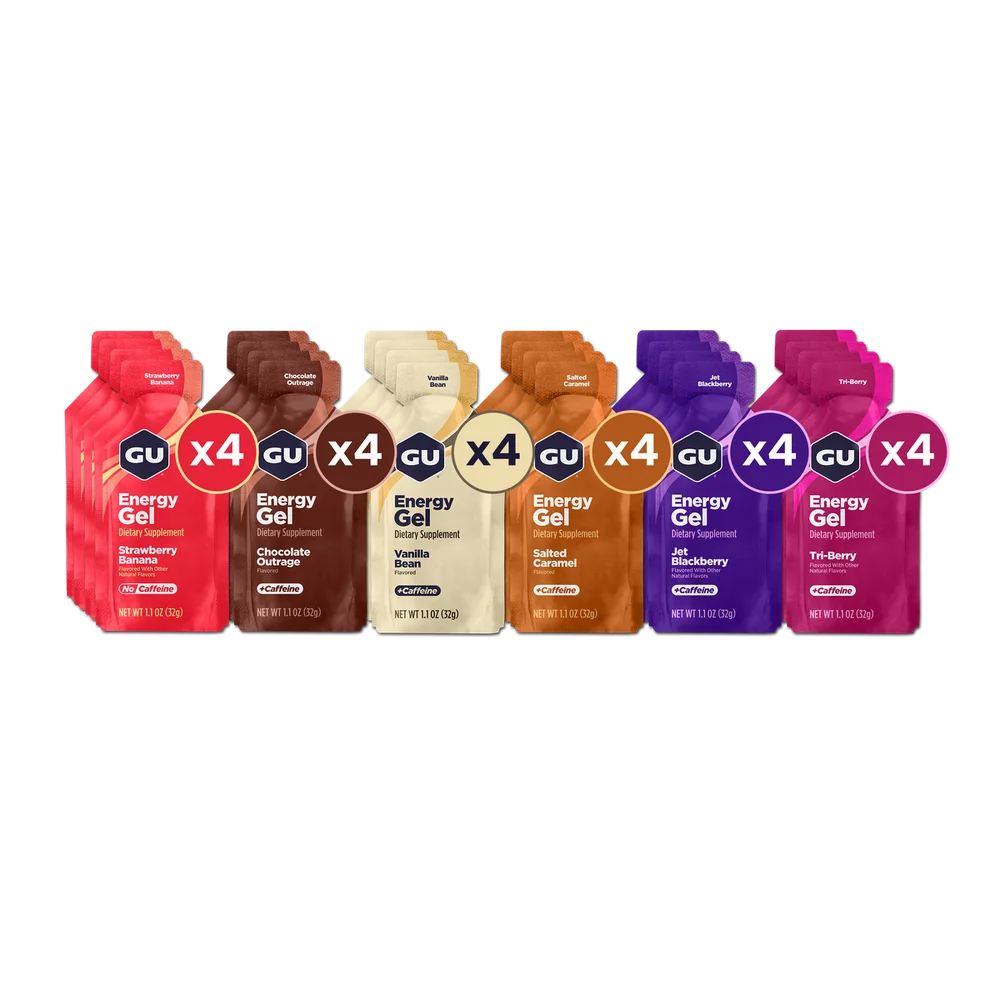
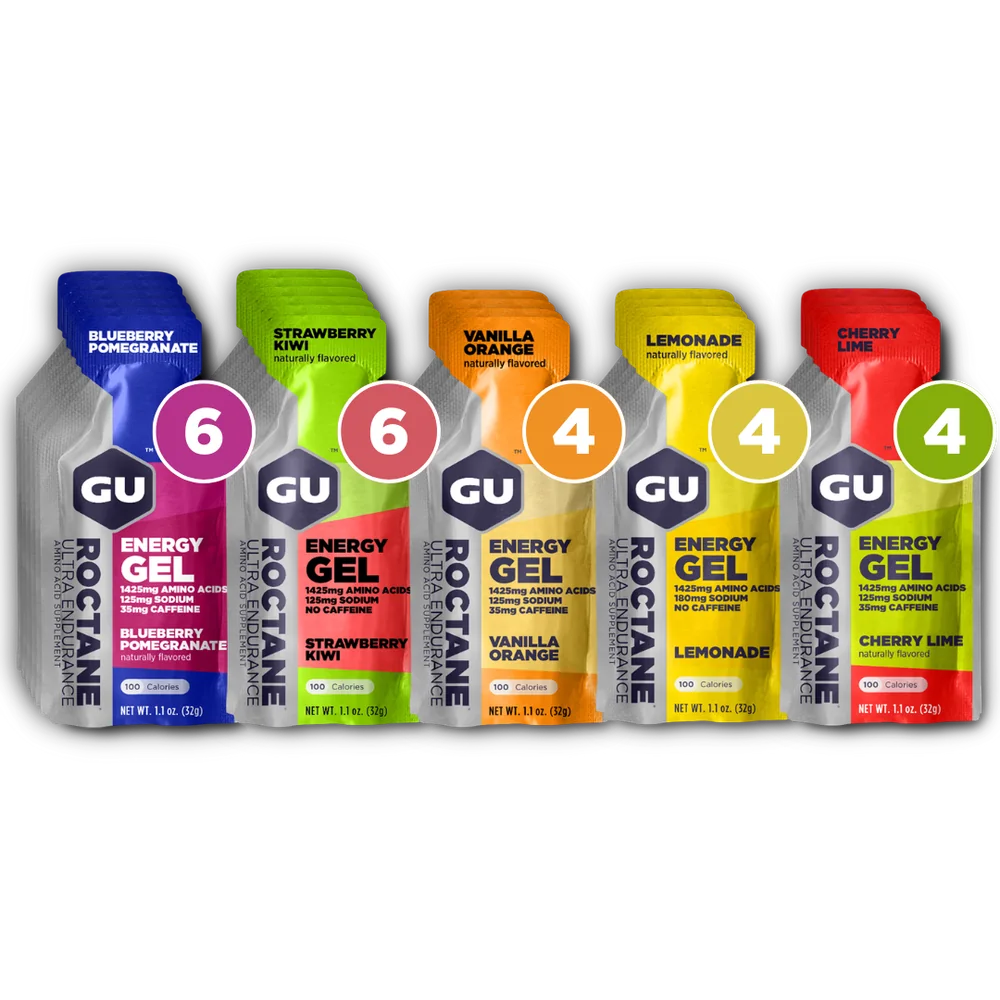
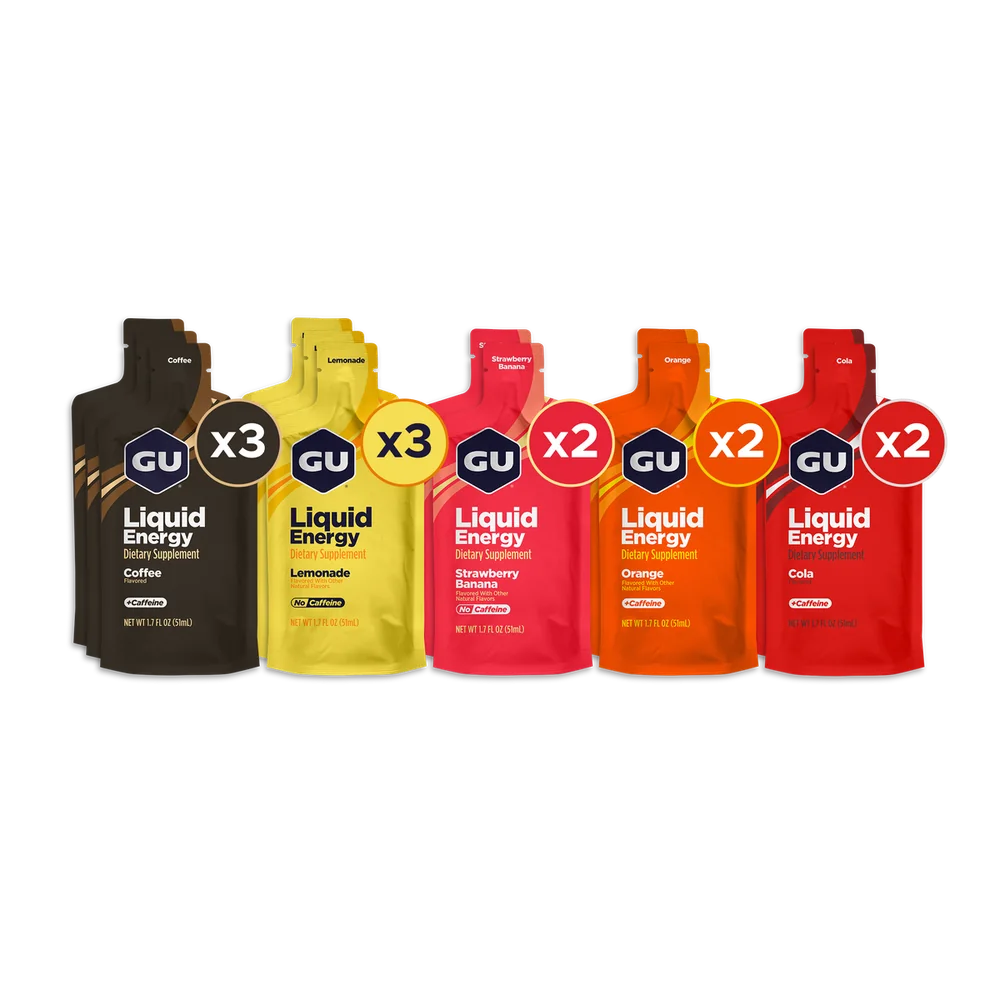
We stock three gels, all made by GU Energy Labs: Original Energy Gel, Liquid Energy Gel and Roctane Energy Gel. At the core they do the same thing: fast carbohydrate in a sachet. Original is the classic and the obvious place to start. Liquid has a thinner, more drinkable texture that some people find easier to swallow when they are breathing hard. Roctane is built for long, hard days. Our guide to choosing the right gel walks through the differences.
Flavour matters more than beginners expect, because you will be tasting the same thing every 45 minutes for hours. Some flavours include caffeine for an extra bit of alertness; others are caffeine-free. If you are new, start caffeine-free, see how your stomach and your sleep react, and then experiment. There is more on that in caffeinated vs non-caffeinated.
Three habits that make gels work
- Practise in training first. Never try a new gel on race day. Use the exact gel, flavour and timing in your long sessions so your gut knows what is coming. Our train your gut guide explains how to build up.
- Little and regular, not one big hit. Spacing gels about 45 minutes apart keeps energy steady and is kinder on your stomach than swallowing three at once when you start to feel bad.
- Keep them reachable. A gel you cannot get to is a gel you will skip. Shorts pocket, running belt, jersey pocket: decide where it lives before you start. We have seven ways to carry gels if you are stuck.
Quick answers for first-timers
Can I mix a gel into my water bottle? Best not to. Gels are designed to be taken directly, with water drunk separately.
Can a gel replace a meal? No. Gels supplement your normal diet by giving you quick energy during exercise. Eat proper meals around your training.
Can children use gels? Gels are formulated for adults. If you are thinking about giving one to a child, check with a healthcare professional first about whether it suits their age, size and nutritional needs.
That is the whole beginner's toolkit: a gel is fast carbohydrate, it lasts about 45 minutes, you take it with water, and you practise before you race. Everything else is refinement. When you are ready for the next layer, start with how to fuel, then pick a gel and go test it on your next long run.
These statements have not been evaluated by a regulatory authority. This product is not intended to diagnose, treat, cure or prevent any disease.