Temperature, taste and fuelling
The gel that tasted perfect on a cool January long run can feel like syrup at 30 km of a May race. The recipe has not changed. Temperature alters how you taste fuel, how fast your stomach handles it and how much of it you need. Here is what shifts, and how to adjust flavour, sodium and timing.
Hot vs cold at a glance
| Factor | Hot conditions | Cold conditions |
|---|---|---|
| Sweetness perception | Amplified | Reduced |
| Flavour threshold | Lower (tastes more intense) | Higher (tastes milder) |
| Gastric emptying | Slowed | Normal to faster |
| GI sensitivity | Increased | Lower |
| Sweat rate | High | Lower, but still present |
| Sodium needs | High | Moderate |
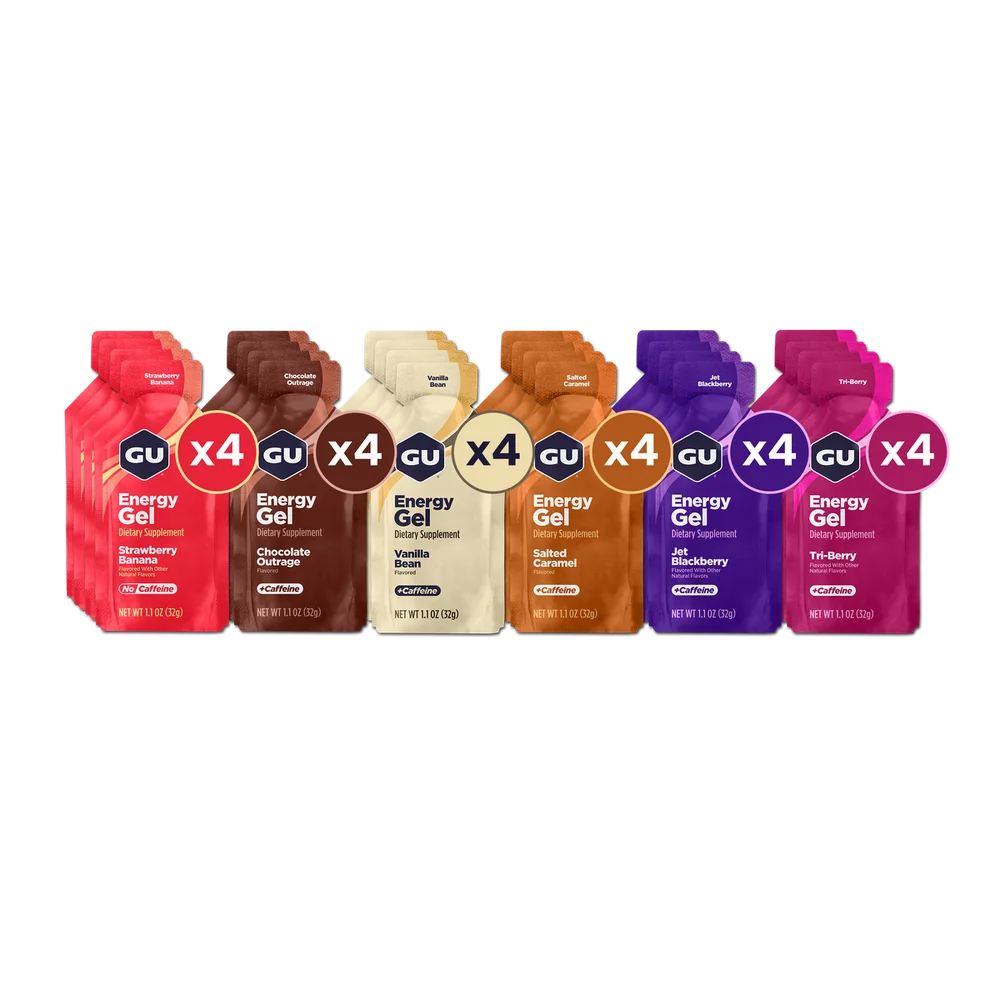
| Gel format that suits best | Liquid Energy Gel | Original or Roctane |
| Hydration priority | High | Moderate to high |
| Calorie demand | May drop in the short term | Rises in sustained cold |
Why heat makes gels taste sweeter
Taste is not a fixed setting. A temperature-sensitive protein in your taste receptor cells, TRPM5, becomes more active as things warm up and turns up the sweet signal your brain receives (Talavera and colleagues, Nature, 2005). Cold does the reverse: TRPM5 activity falls and sweetness registers more weakly.
So in heat, a gel that felt fine on a cool morning can seem aggressively sweet at the same effort. In cold, the flavours you wrote off as too sugary in June often taste just right on a pre-dawn start. The formula is identical across seasons; your sensory threshold is what moves.
- Taste in matching conditions. A gel tried on the sofa tells you almost nothing about 30 km of a hot marathon. Test new flavours in sessions that resemble your race environment.
- A winter favourite turning overwhelming in warm weather is physiology, not a faulty batch. Move to a lighter flavour, or to Liquid Energy Gel.
- Revisit the rejects. Flavours dismissed as too sweet in summer are worth a second look in your cold-weather block.
- Rotate. Alternating two or three flavours over a long effort holds off flavour fatigue.
Fuelling in heat
Heat slows the rate at which your stomach empties. The hotter you get and the harder you work, blood is redirected away from the gut towards the working muscles and the heart (Ribichini and colleagues, 2023), so fuel is processed and absorbed more slowly. A volume that clears cleanly in cool weather can sit in the stomach longer, so the spacing between gels you settled on in training may need stretching on a hot race day. The first warning signs are usually fullness or low-grade nausea rather than cramping, and smaller amounts started earlier work better than adjusting once symptoms have set in.
Combine heat with hard exercise and the gut lining becomes leakier than either stress causes alone (Dmytriv and colleagues, 2024), which is linked to the cramping, nausea and bloating that show up in heat, particularly beyond 90 minutes. For most of us in India this is the default: a 6 am start in Mumbai or Chennai is already warm and humid, so plan for heat rather than hoping for a cool morning.
GI trouble mid-race is rarely random. It usually comes down to unfamiliar nutrition, too much volume too quickly, or a formula your gut has not practised with.
Sodium in heat
Sweat rate rises in heat and sodium is the main electrolyte you lose. For efforts under about four hours, research suggests sodium intake can follow taste and tolerance rather than a precise replacement target (McCubbin, 2023). For ultramarathons, multi-day rides and long trail days, targeted replacement matters more.
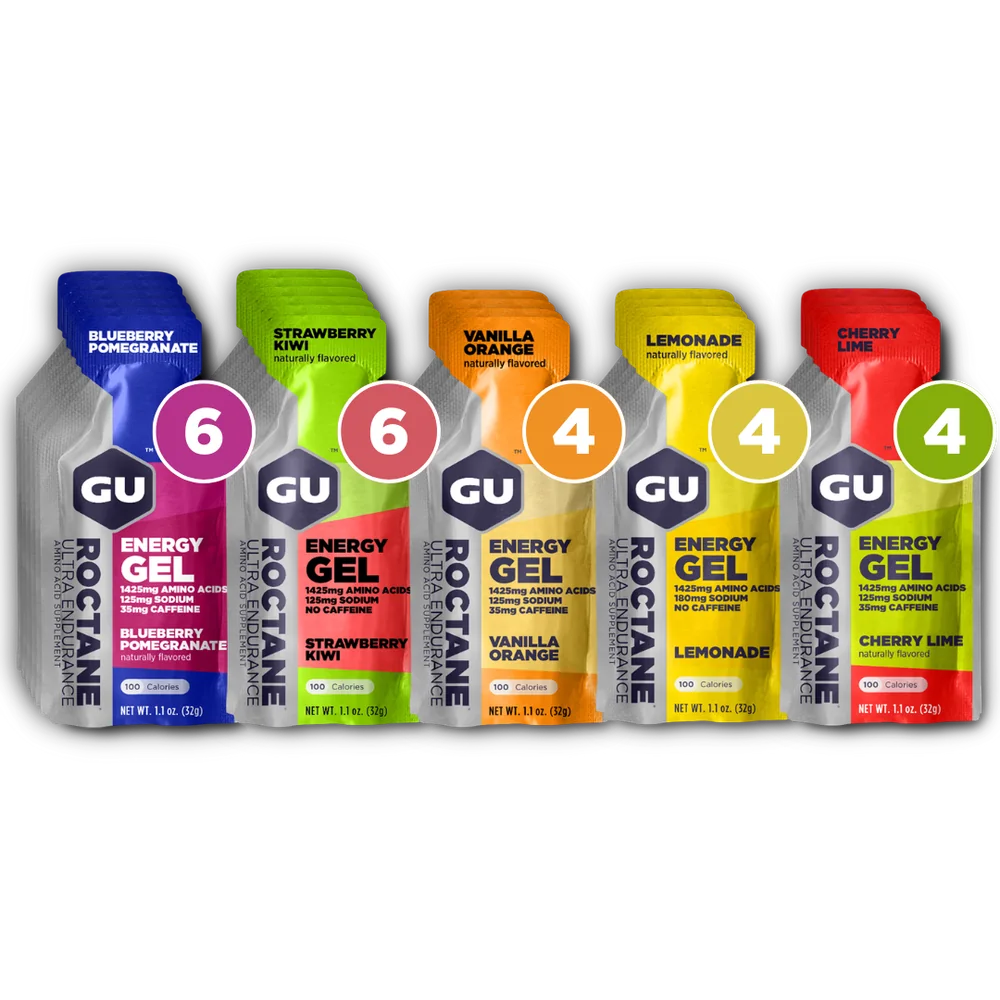
Roctane Energy Gel carries 125–180 mg of sodium per sachet against 60–125 mg in Original Energy Gel, so it is the stronger choice when sodium is a priority. On multi-hour hot efforts with a high sweat rate, gels alone will not replace what you lose; add an electrolyte drink or capsules.
What to use in heat
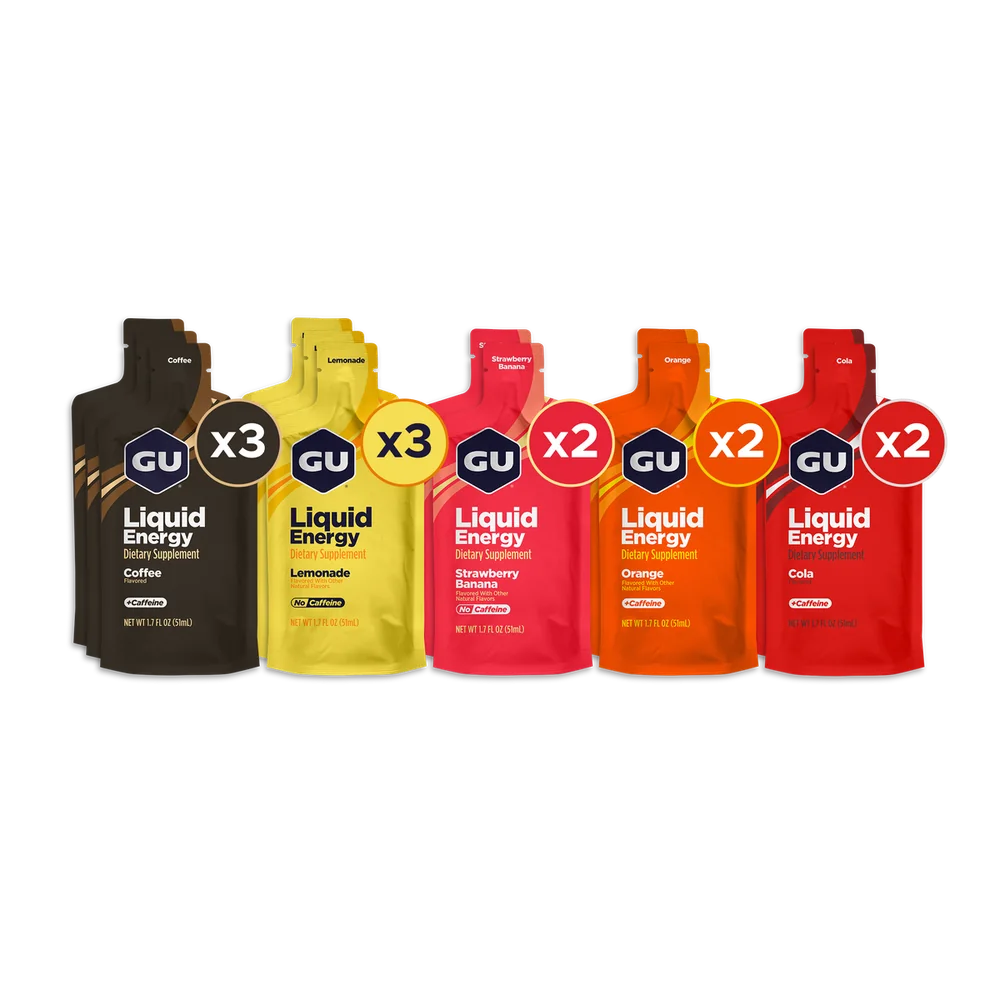
- Liquid Energy Gel: a thinner formula that leaves the palate fast, with the same dual-source carbohydrate as Original. Use it from the start of a hot effort, not introduced mid-race.
- Roctane Energy Gel: the higher sodium makes it the better pick for efforts over 90 minutes in heat, or for heavy sweaters.
- Caffeine: start with non-caffeinated flavours and bring in small amounts of caffeine only in the later stages.
- Timing: a little more space between gels, a little less per serving, and closer attention to electrolytes.
Fuelling in cold
The gut is more forgiving in the cold. Slowed emptying and a leakier gut wall are both amplified by heat, so cold-weather efforts generally carry lower GI risk. Individual responses vary, but for most athletes a 6°C January morning in Delhi or a high-altitude ultra in Ladakh is kinder to the stomach than a May race at the same intensity.
The trade-off is that you need more fuel. Holding core temperature draws on calories beyond what the exercise itself demands, through shivering and the metabolic cost of producing heat (Wehmanen and colleagues, 2026, a case study from a 214 km winter ultra). If your per-hour plan was built on summer data it may come up short in the cold, especially on long, lower-intensity days where your muscles generate less heat. It is most pronounced in ski touring, where hunger signals arrive late; winter cycling, where wind chill makes the effort feel easy while the thermal demand stays high; and trail running below freezing, especially at early starts.
Sodium in cold
You sweat less in the cold, so sodium losses are more moderate and intake can again follow tolerance and preference. The 60–125 mg in Original is enough for most cold-weather efforts. Roctane's 125–180 mg is the stronger choice for extended cold efforts at high output, such as a long winter ride or a multi-hour day in the hills.
What to use in cold
Original and Roctane both hold up well; the real issue is storage. Gels thicken as the temperature drops, and a cold sachet is awkward to get down quickly. Keep them against your body: a jersey pocket, bib-short pocket or jacket waist pocket keeps a gel at a usable consistency.
Train with it before you race with it
A room-temperature taste test cannot tell you three things:
- How your gut will cope with a formula under the heart-rate and thermal load of your target race.
- How a flavour will register after two hours of sustained effort, when sensory fatigue builds.
- Whether your timing and volume still work at your real sweat rate and the race-day temperature.
Regularly taking carbohydrate in training raises both your tolerance and how much you can absorb (Jeukendrup, 2017). Train the gut in the conditions you will race in.
The short version: in heat, go thinner, smaller and more spaced out, and lean on sodium; in cold, keep the gel warm and expect to need more of it. Our train your gut guide builds that tolerance session by session, and training and racing in the heat goes deeper on the hot-weather plan.
These statements have not been evaluated by a regulatory authority. This product is not intended to diagnose, treat, cure or prevent any disease.