Fuelling through a change of season
The monsoon is tailing off, the mornings are a little cooler and the race calendar is suddenly close enough to count the weeks. This is the point in the year when training ramps up, and it is the best possible time to sort out your fuelling. Whether you are building towards a winter marathon, laying down base fitness or just stringing together long weekend rides, how you fuel decides how those sessions go. Here is a five-step pre-season checklist to help you fuel smarter, recover better and stay consistent as the kilometres pile up.
Step 1: start testing your fuel early
The most common mistake is leaving nutrition experiments to the last few weeks before an event. Your long sessions are the place to test things, because they put your stomach under the same strain as race day. Start that process at least six weeks out so there is time to try something, adjust it and try again.
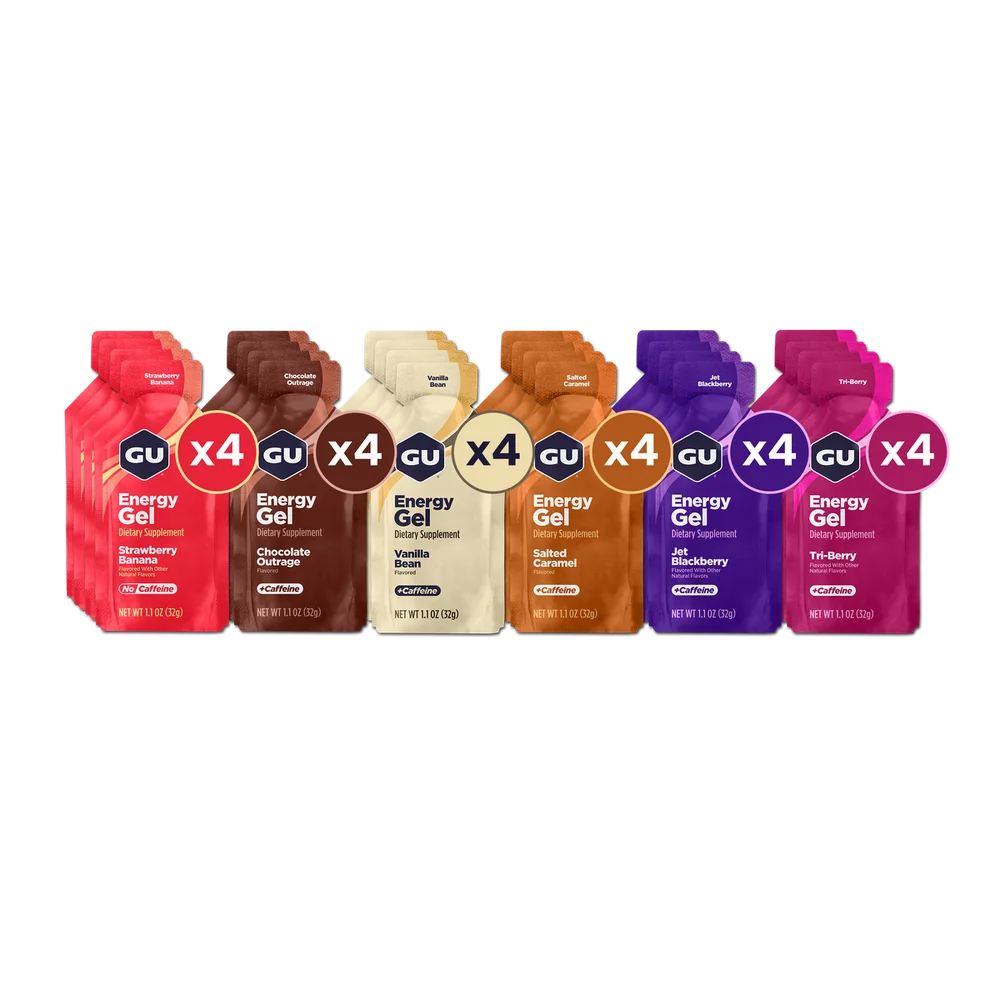
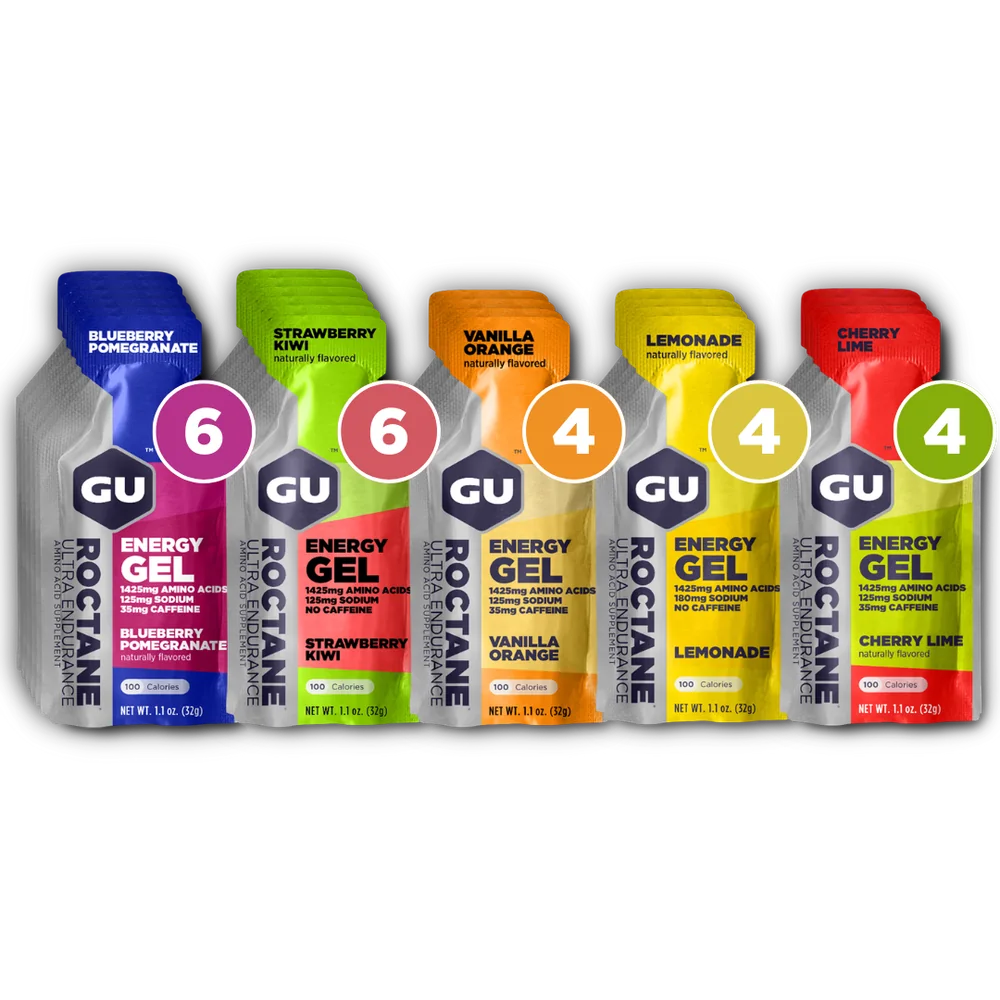
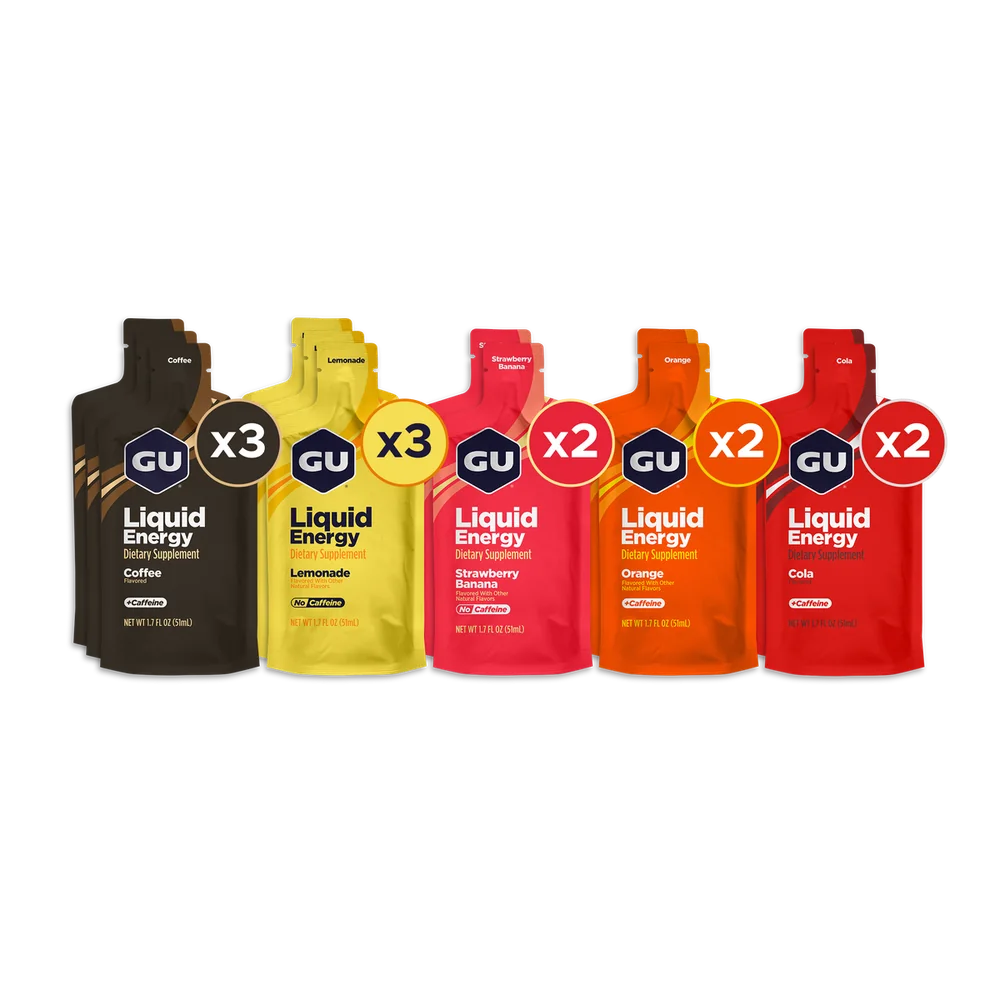
Keep the testing clean: one new product at a time. If you switch gel, change your breakfast and try a new drink all on the same Sunday, you will have no idea which one upset you. Rotate the Original Energy Gel, Liquid Energy Gel and Roctane Energy Gel through separate long days, note how each one sits, and you will walk into race week with a shortlist rather than a guess.
One change per long session. Write down what you ate beforehand, what you took during and how your stomach felt afterwards. After a handful of long days you will have a fuelling plan built on your own data, which beats anything an article can give you.
Step 2: build a pre-session routine
A repeatable pre-session routine does two jobs. It gives your body a predictable supply of carbohydrate, and it gives your head confidence, because you have done exactly this before. The same routine, repeated, also cuts down on the stomach trouble that comes from improvising.
- Two to three hours before: a carbohydrate-rich meal. Oats with banana, toast with jam or honey, or a plate of poha all do the job.
- Fifteen minutes before: one energy gel to top up your glycogen stores before you start.
Run this before every key session, not just the big ones, so that by race morning it is automatic.
Step 3: train your gut for longer sessions
Under-fuelling in the back half of a long run is usually not a willpower problem. It is an untrained digestive system that cannot take fuel on board at the rate you are burning it. The fix is to practise eating on the move, deliberately, from the start of the season.
The targets: 30 to 60 g of carbohydrate per hour for endurance sessions, rising to as much as 90 g per hour for long efforts of three hours or more. A gel gives you around 21–23 g of carbohydrate, so one gel every 20 to 30 minutes puts you squarely in that range. Pair it with a drink that supplies some fast carbohydrate and sodium, and reach for the Liquid Energy Gel if you find a lighter texture easier to get down when you are working hard.
Start at the bottom of the range and build up over the weeks rather than jumping straight to 90 g. Our train your gut guide goes into how to make that progression.
Step 4: treat hydration as performance insurance
Dehydration creeps up on you, especially in longer or warmer sessions, and it is about more than thirst. Mental fog, early fatigue and muscle cramping are all signs you have fallen behind on fluid. In India a change of season does not always mean drier air: an October long run in Mumbai or Chennai can still be humid enough that you are dripping before the warm-up is done, so it pays to measure rather than assume.
- Weigh yourself before and after longer sessions. The difference is a reasonable estimate of the fluid you lost, and a guide to how much you should be drinking next time.
- Put sodium in your bottle, not just water. An electrolyte drink replaces what you sweat out; plain water alone will not.
- For long efforts in the heat, or back-to-back long days, pay as much attention to electrolyte balance as to fluid volume.
Step 5: treat recovery like a workout
How you recover from today's session decides how tomorrow's goes. The window that matters most is the first 30 minutes after you finish: that is when to refill glycogen and start repairing muscle.
Aim for at least 20 g of protein and 30 g of carbohydrate in that window. A recovery shake with the numbers on the label is the simplest way to hit both, and a proper meal with a clear protein source works if you can eat it in time. Either way, have it ready before you head out so you are not standing in the kitchen, empty, trying to decide what to eat.
Bonus: match your fuel to your training phase
Your needs shift as the block moves on, so your nutrition should shift with it. This is how we would line up the three gels, and the rest of your fuelling, against a typical season.
| Training phase | Fuel focus | What to lean on |
|---|---|---|
| Base building | Gut training and daily recovery | Original Energy Gel on long days, an electrolyte drink, protein and carbohydrate after every session |
| Peak training | Carbohydrate loading and hydration | Liquid Energy Gel for the biggest sessions, carbohydrate in your drink, sodium to match the sweat |
| Taper | Maintain nutrition and reduce fatigue | The routine you have already built, electrolytes kept up, nothing new |
| Key weeks or events | Simplicity, consistency and energy | Roctane Energy Gel, on the schedule you rehearsed |
Lining your nutrition up with the phase you are in means it supports the goal of that phase instead of fighting it.
Build the plan, then practise it
There is no one-size-fits-all fuelling strategy, and the season ahead is the time to build yours: test early, settle a pre-session routine, teach your gut to take fuel on board, drink to your actual sweat loss and recover with intent. Do that for six weeks and race day becomes a repeat of something you have already done. Use the fuel calculator to turn your longest session into a gel count, then stock up on the gels you will be testing. Your job is the training. The plan's job is to make sure the training gets fuelled.
These statements have not been evaluated by a regulatory authority. This product is not intended to diagnose, treat, cure or prevent any disease.