Tips for maintaining energy and endurance
Every endurance athlete knows the moment. The energy drains out of you, your legs turn to lead and a voice in your head starts negotiating an early stop. That is hitting the wall, and it is one of the hardest things the sport throws at you. It is also largely avoidable. Whether you are building towards a marathon, a long ride or a full day on the trail, the same handful of habits will keep your energy up and your endurance growing.
What hitting the wall actually is
Hitting the wall, or bonking, happens when your body runs through its stored glycogen. Glycogen is your carbohydrate reserve and the main fuel for endurance work, and when it is gone the result is deep physical and mental fatigue that makes it very hard to hold your pace. The way to avoid it is not willpower. It is managing your fuel and your energy before the event and all the way through it.
Fuel before: the carb-load
Your body leans on carbohydrate because it is quick and efficient to burn. Once muscle and liver glycogen drop low, you are forced to convert fat into fuel instead, and that process is slower and costs more energy to run. The aim is to start with full stores.
Carb-loading is how endurance athletes do that. In the 2 to 3 days before your event:
- Raise your carbohydrate intake and cut back on fat and fibre, which keeps your gut settled.
- Target 8 to 10 grams of carbohydrate per kilogram of body weight per day. For a 60 kg runner that is 480 to 600 grams a day, which is a lot more than a single plate of pasta.
- Drink more than usual while you are loading.
Fuel during: start early and keep going
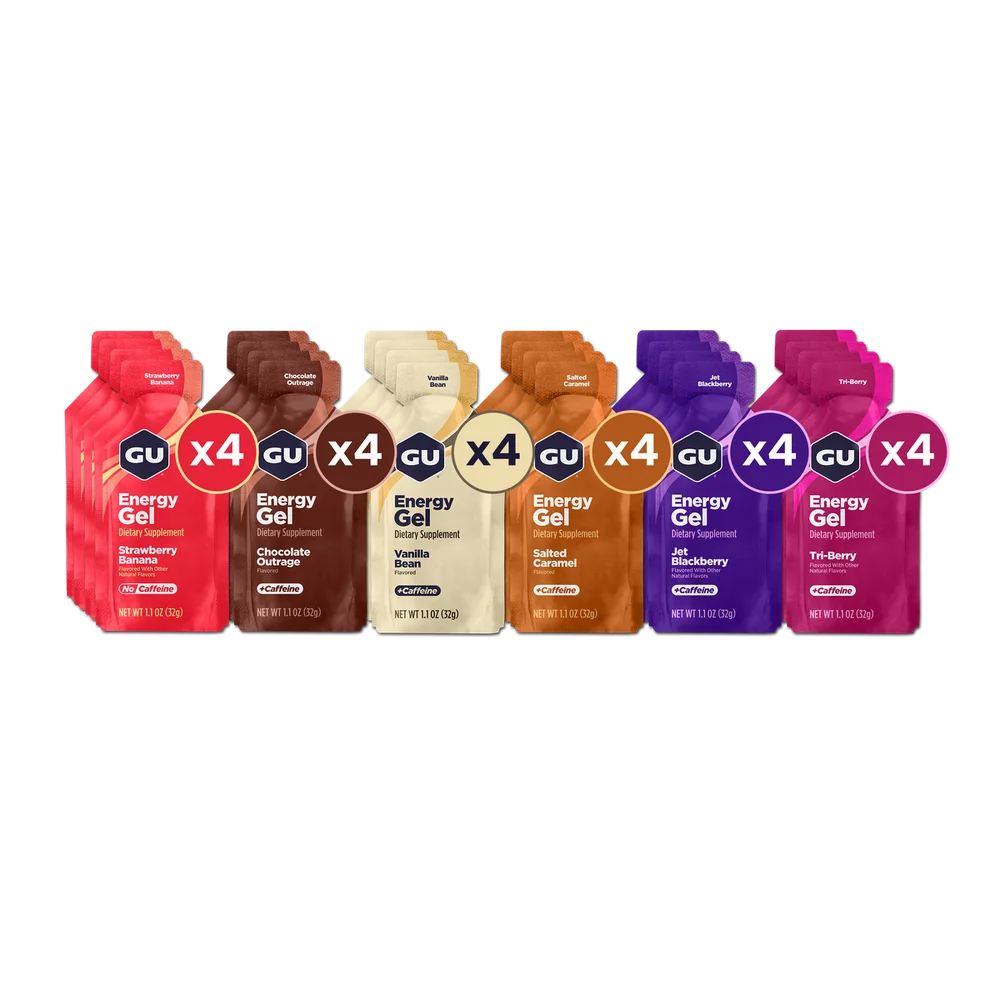
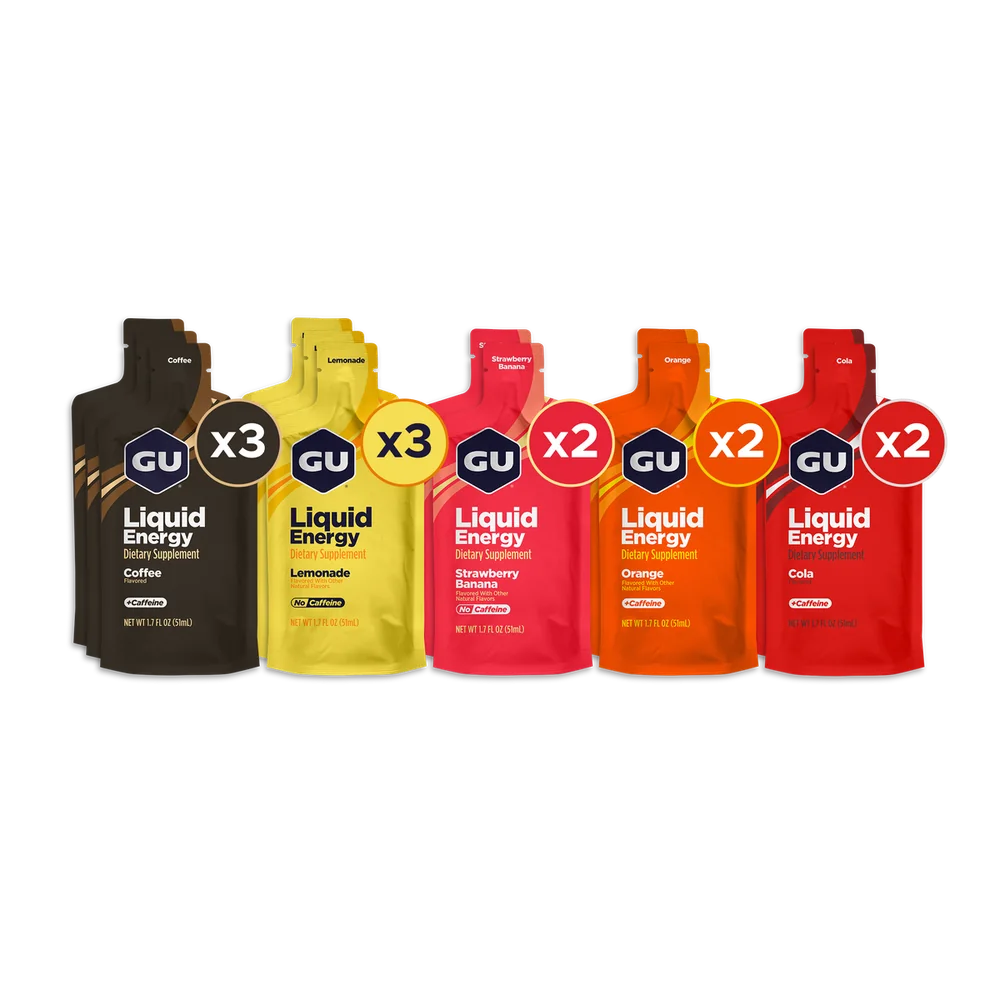
This is where most walls are built. The common mistake is to wait until you feel tired before you eat, and by then you are already behind. Energy gels fix this neatly: they deliver an easily digested dose of carbohydrate along with electrolytes and amino acids, and they sit light in the stomach when you are working hard.
Take your first gel around the 20 to 30 minute mark, even if you feel fine, and then keep taking one every 20 to 30 minutes for as long as you are out. Eat early, eat often: by the time fatigue shows up, the chance to prevent it has already passed.
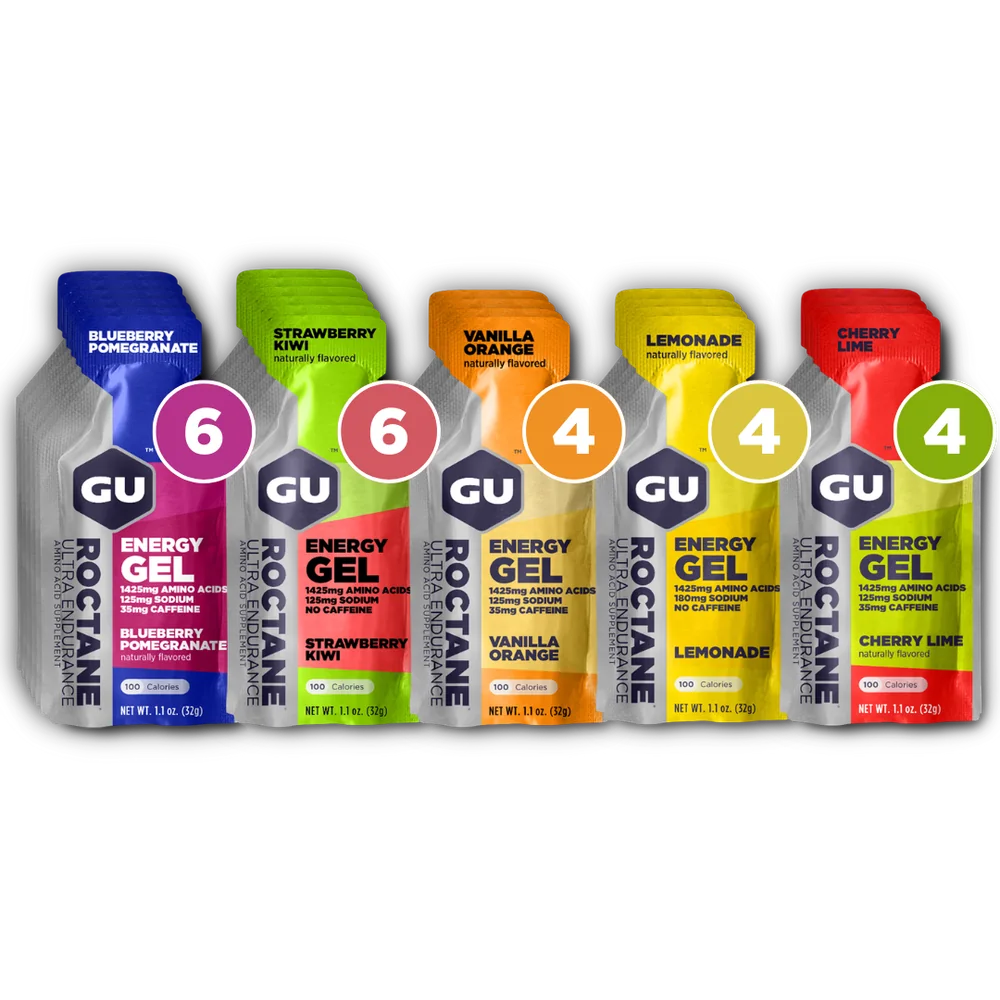
Your brain is burning fuel too. Mental fatigue can be as limiting as heavy legs, and branched-chain amino acids are used by endurance athletes to help delay it. It is one reason every gel we stock carries amino acids alongside its carbohydrate.
A three-hour ride, planned out: first gel at 25 minutes, then one every 25 minutes, with a few sips of water each time. That is about seven gels over the ride. Set a repeating alert on your head unit or watch and eat when it goes off, not when you feel like it. The fuel calculator will build the same schedule for your own distance and pace.
Drink ahead of thirst
Dehydration brings on early fatigue, dizziness and mental fog, and it pulls the wall closer than it needs to be. Thirst is a late signal: if you are already thirsty, you are probably already dehydrated. The practical target is 16 to 32 ounces of fluid per hour, roughly 475 to 950 ml, adjusted for how hard you are going and how hot it is. On a humid Mumbai morning or a Chennai afternoon you will be at the upper end of that range from the first kilometre.
Water alone is not the whole job. Sweat carries electrolytes out with it, and sodium, magnesium and chloride all support heart and muscle function and may lower your risk of cramping. Over long events, top them up with an electrolyte drink, tabs or capsules alongside your water. There is more on this in our guide to muscle cramps and electrolytes.
Hydration protects your stomach as well. Research has shown that dehydration during exercise slows gastric emptying, leading to nausea and stomach cramps. Drinking steadily from the start keeps your fuel moving through and doing its job.
Build endurance gradually
The other half of avoiding the wall is arriving with a body that can handle the distance. Endurance is built slowly, and the rules are simple.
Progressive overload. Add a little mileage, time or intensity each week, not a lot. The 10% rule is a useful guard rail: increase your total distance or total training time by no more than 10% from one week to the next, so you adapt without tipping into injury or overtraining.
Mix it up. Intervals, hill repeats and cross-training all stress the body differently, and that variety builds both muscular and cardiovascular endurance. A hilly loop in the Western Ghats does something a flat tempo run cannot, and race day will throw both at you.
Rest and recover. Muscles get stronger on rest days, not during the session, so protect them. After a hard workout, carbohydrate paired with protein helps refill glycogen and speeds muscle recovery, and stretching, foam rolling and a decent diet set up the next week.
Stay consistent. Regular training is what raises aerobic capacity and stamina over time. A routine that includes both long, slow distance and high-intensity intervals covers all the bases. Patience matters more than any single heroic session.
Quick answers
What actually causes the wall? Usually one of four things: too little fuel, dehydration, poor pacing or not enough training. When glycogen runs out too fast, your body leans on fat, which is a slower source of energy, and the result is severe fatigue that forces you to slow or stop. Carbohydrate before and during, steady drinking and a pace that does not burn through your stores early are the fixes.
How do I keep energy steady during a long event? Start fuelling early and keep going at regular intervals, about every 20 to 30 minutes, with gels or a carbohydrate drink. Drink consistently, especially in heat and humidity, and add electrolytes to head off dehydration-related fatigue.
How do I limit muscle fatigue on long days? Fuel consistently with a combination of carbohydrate, electrolytes and amino acids, which is exactly what a gel delivers. Off the road, strength training and proper recovery, meaning stretching, rest and hydration, keep your muscles strong and push fatigue further out.
None of this is complicated. Load up in the days before, eat from 20 to 30 minutes in and every 20 to 30 minutes after, drink before you are thirsty and build your training in small, steady steps. Do that and the wall stops being part of your race story. For a race-specific plan, see our marathon gel strategy, then pick a gel and rehearse the schedule on your next long session.
These statements have not been evaluated by a regulatory authority. This product is not intended to diagnose, treat, cure or prevent any disease.