Energy gels vs sports drinks
Walk into any running shop and you will find gels on one shelf and sports drinks on another, as if you were meant to pick a side. You are not. A gel and a sports drink are built for different jobs, and the people who finish long efforts strong are nearly always using both. Here is what each one actually does, and how to decide when to reach for which.
Two products, two jobs
Strip away the flavours and the packaging and the split is simple:
- Energy gels deliver carbohydrate. They are fuel, concentrated into a packet you can swallow in a few seconds.
- Sports drinks deliver fluid and electrolytes. They are hydration, with the sodium you lose in sweat dissolved into water you were going to drink anyway.
So the question is rarely "gels or drinks?" It is "how much fuel and how much fluid does this session need?" Frame it that way and the shopping list sorts itself out.
Why you need both on a long day
While you exercise, your muscles run on carbohydrate stored as glycogen. That store is limited, and as it drops, fatigue sets in: the pace drifts, the legs get heavy and the last few kilometres turn into a negotiation. At the same time you are losing fluid and electrolytes through sweat, and if they are not replaced, dehydration starts to blunt performance, focus and endurance.
That is why endurance athletes typically aim for two things at once:
- 30–60 g of carbohydrate an hour
- a steady fluid and electrolyte intake, rather than a big gulp whenever they remember
Fuel keeps you moving. Hydration keeps the machinery working properly. Neglect either one and the other cannot cover for it.
Gels vs sports drinks, side by side
Formulations vary from brand to brand, but the basic roles hold.
| Energy gels | Traditional sports drinks | |
|---|---|---|
| Main purpose | Carbohydrate for energy | Fluid and electrolytes for hydration |
| Carbohydrate | Concentrated, in a small serving | Diluted, spread across whatever you drink |
| Hydration | Needs water alongside to help absorption | Counts directly towards your fluid intake |
| Electrolytes | Included to support hydration | Included to replace what you sweat out |
| How you use it | At set intervals, for steady fuelling | Sipped regularly, to stay hydrated |
Look at the hydration row. A gel is not a drink and was never meant to be one. Take it with a few mouthfuls of water and it absorbs well; take it dry and you are asking your stomach to do extra work.
What gels are best at
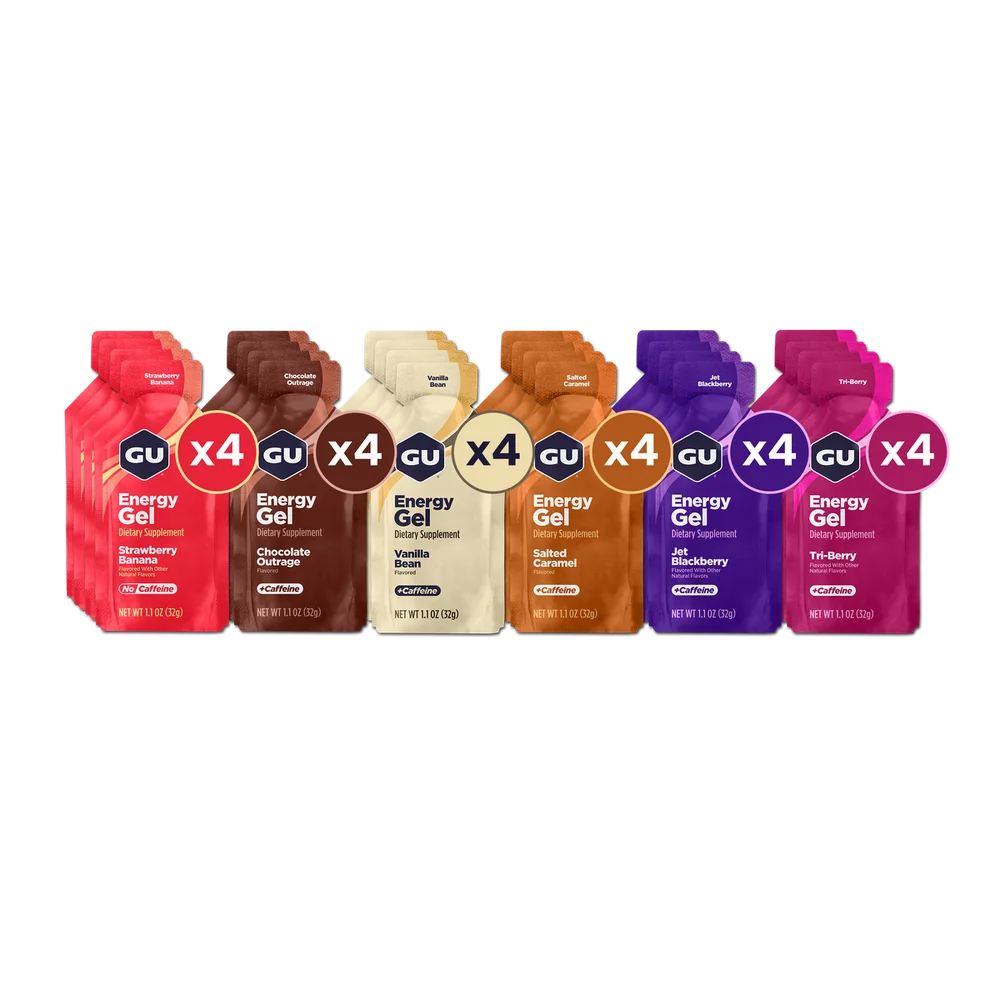
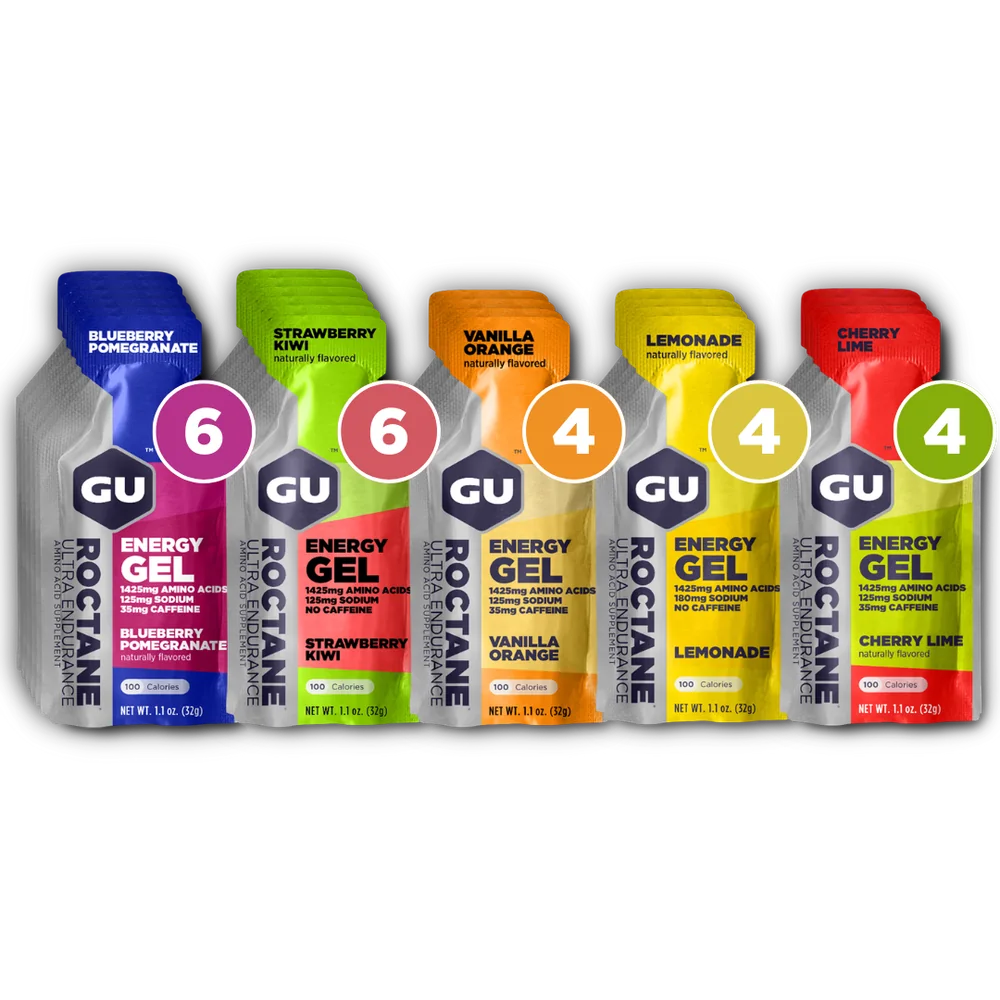
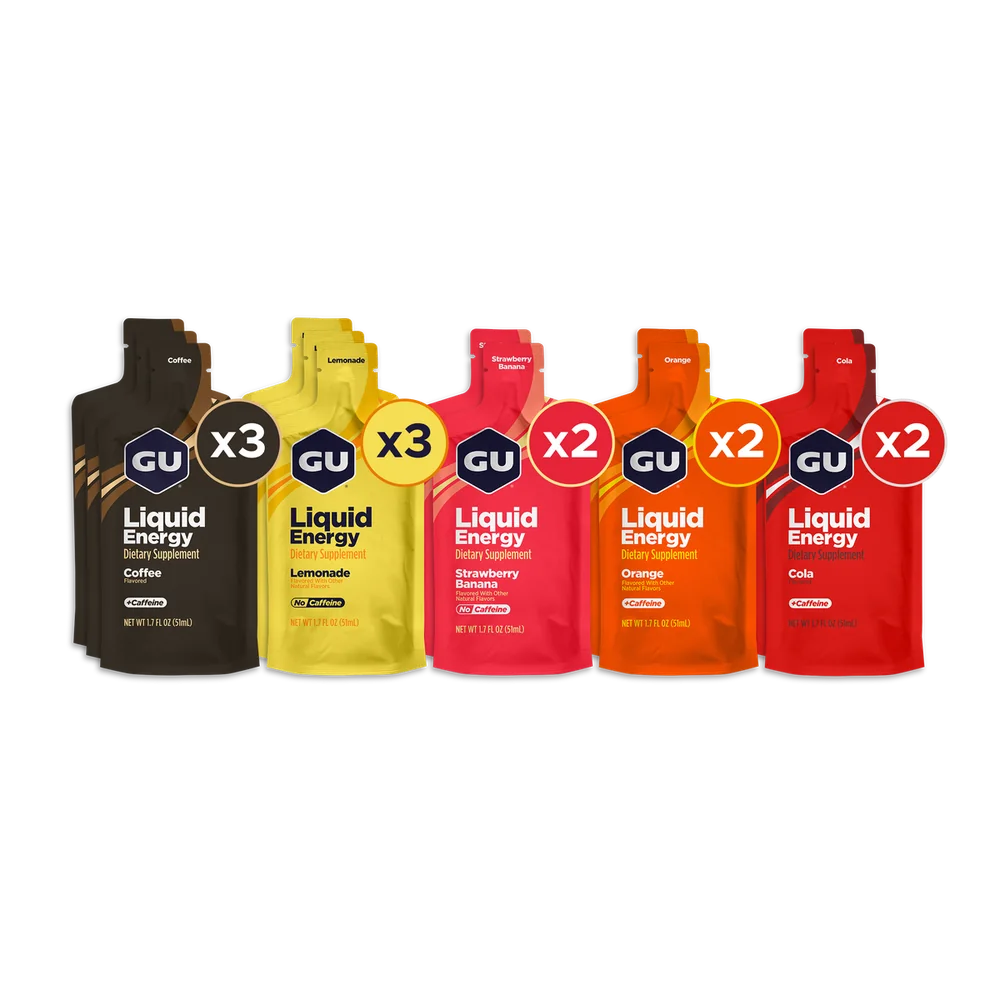
A gel exists to get fuel into you quickly, at the moment you need it, without a sandwich in your back pocket. The three we stock all give you:
- fast-acting and sustained carbohydrate
- amino acids to support working muscles
- electrolytes that complement, rather than replace, your hydration
They earn their place on runs, rides and long workouts, whenever you want steady energy over time, and in any situation where carrying real food is impractical. If you are new to them, start with the Original Energy Gel. If a thick gel is hard to swallow at tempo pace, the Liquid Energy Gel goes down more easily. For marathons, ultras and long race days, the Roctane Energy Gel carries more electrolytes and amino acids.
The rule of thumb is blunt: if your energy is dropping, it is time to fuel.
What sports drinks are best at
"Sports drink" covers two quite different products, and it helps to know which one is in your bottle. We only stock gels, so pick whichever drink sits well with your stomach and test it in training before race day.
Electrolyte tabs and low-calorie drinks
These are about replacing what you sweat out, with very few calories. Expect sodium to replace lost electrolytes and enough flavour to make you actually want to drink. They suit shorter sessions where hydration is the priority, hot or humid conditions, and any day you are fuelling separately with gels and just want the fluid side covered.
High-carbohydrate drink mixes
These put fuel and hydration in one bottle: fast-acting, sustained carbohydrate from a dual-source blend, sodium for the electrolytes you lose in sweat, and amino acids to reduce fatigue and support the muscles. They suit long endurance sessions and race-day fuelling, situations where carrying separate gels and hydration is awkward, and athletes who prefer to drink their calories rather than eat them. If you need fuel and hydration together in one go, this is the category to look at.
When to use which
Your effort, how long it lasts and the weather decide the mix.
- Under 60 minutes. Hydration is the focus. An electrolyte drink is enough; you are unlikely to need extra carbohydrate.
- 60–90 minutes. Add light fuelling. Keep drinking and take the occasional gel.
- 90 minutes and beyond. Use both, consistently. Gels provide the fuel; an electrolyte drink or a carbohydrate drink mix looks after fluid and sodium.
- Hot or humid. Put hydration first. Raise your electrolyte intake and keep fuelling with gels. A 6 am long run in Mumbai in May is a different beast from the same run in a Bengaluru winter, and your bottle should reflect that.
A timing rule you can set on a watch. Take one gel every 20–30 minutes, and sip fluid every 10–15 minutes. Two alarms, two habits. Gels power the muscles; hydration keeps everything else working.
Three factors that set your strategy
The right mix of gels and drinks is decided by three variables, not by brand loyalty.
- Duration. Longer efforts need more consistent fuelling and hydration, not just more at the start.
- Intensity. The harder you go, the more carbohydrate you burn, so the fuelling side of the plan grows.
- Environment. Heat and humidity push up fluid and electrolyte needs, so the hydration side grows.
Most experienced athletes adjust as they go: more drink in the heat, more gels as the distance stretches out. A hill ride in the Western Ghats in cool weather might call for a gel every 25 minutes and plain electrolyte water; the same climb in April might have you doubling the sodium while keeping the gel schedule exactly as it was.
Not rivals, one system
Gels and sports drinks are not competing strategies. They are two halves of the same plan: the gel brings the carbohydrate, the drink brings the fluid and the salt, and together they keep you steady, hydrated and clear-headed from the start line to the finish.
For the longer version, with worked examples by session length, read our guide to gels vs sports drinks, then put your own numbers into the fuel calculator to see how many gels your next long day actually needs.
These statements have not been evaluated by a regulatory authority. This product is not intended to diagnose, treat, cure or prevent any disease.