5 sports nutrition myths, debunked
If you train, you have already noticed that what you eat changes how you perform, for better or worse. Some of the advice out there is flatly wrong; most is true only in a narrow context and gets repeated without it. World-champion ultra-endurance mountain biker Sonya Looney put a handful of these ideas to leading sports nutritionists. Here are five of the most common myths, and what the evidence actually supports.
Myth 1: carbs per hour depend on your body weight
Carbohydrate is the best fuel for endurance sport, so the obvious question is how much to take each hour. A lot of athletes assume the answer scales with body weight. During exercise it does not.
Sports nutritionist Anne Guzman explains that intake during exercise is set by how fast your intestines can absorb carbohydrate, and that absorption rate does not appear to change with body size. Whether you weigh 59 kg or 82 kg (130 lb or 180 lb), the recommended range is the same: 30–100 g per hour, with your place in that range decided by how long and how hard you are going.
A single gel carries roughly 21–24 g of carbohydrate, so the range runs from about one-and-a-half gels an hour on an easy 90-minute run to four or more an hour, plus a carbohydrate drink, on a long race day. Looney herself aims for 75–100 g per hour in ultra-distance mountain bike races, mixing gels, chews and drink mix. Our fuel calculator turns duration and intensity into a per-hour number you can work with.
Myth 2: losing weight always makes you faster
This one is complicated because it is partly true: being lighter does bring performance gains in endurance sport. The problem is what it can cost to get there.
Relative Energy Deficiency in Sport, or RED-S, describes an athlete taking in too little energy for the training they are doing. The body responds by going into energy-saving mode: hormones are disrupted, bone density drops, and stress fractures follow.
Lori Russell, a registered dietitian and board-certified specialist in sports dietetics, says she regularly meets athletes who believe they must sit in a calorie deficit to lose weight and perform well. That logic holds for a sedentary person, she says, but when performance is the priority the body needs something to burn, and more calories are often what it takes to lift energy levels, raise output and build muscle. Her advice: worry less about trimming calories and more about adding the quality foods your training demands.
Looney's own experience matches. Restricting food to chase a lower weight did not work; the biggest improvements came when she ate plenty of good food instead of going hungry. Lose too much and there is a point where your immune system weakens and you stop recovering properly. The order of priorities is: healthy eating habits first, consistent training with good energy second, weight loss a distant third.
Myth 3: carbs are bad
Carbohydrate has a bad reputation while protein gets the glory, but not all carbohydrate is the same. The culprits behind unwanted energy spikes and weight gain are usually refined carbs. In her book Nourish, registered dietitian Brenda Davis describes refined carbohydrates as carb-rich foods stripped of most of their beneficial components by processing before we eat them. There are two main types, sugars and starches, and extracting either from a plant leaves behind much of what matters for health. The evidence linking excessive refined-carb intake to a long list of adverse health outcomes is, in her words, overwhelming.
Here is the nuance that matters for athletes: refined carbohydrate is exactly what you want during a workout, because your body absorbs it quickly. That is what an energy gel is, and it is why it works at 30 km when a sandwich would not. The rule is about timing, not avoidance.
Once the session is over, switch to complex carbohydrate from whole foods: brown rice, quinoa, potatoes and yams, fruit, sprouted bread. The closer the food is to its whole form, the more fibre, vitamins, minerals, antioxidants and phytochemicals it brings, which means better digestion and gut health. As Davis points out, people who eat unprocessed or minimally processed diets rich in whole-food carbohydrate enjoy remarkably good health, most famously in the Blue Zones where people live longest and largely free of lifestyle disease.
Myth 4: intermittent fasting works for everyone
Intermittent fasting means periods of severely reduced calorie intake, or no food at all, for up to 24 hours at a stretch. It can be effective for treating metabolic disease, particularly in inactive people, and it may help with weight loss, especially for men. Whether it helps athletes chasing weight and performance goals is a different question.
Dr Stacy Sims, who specialises in female physiology and nutrition, says intermittent fasting can harm both performance and health in active women. Her research on what happens to the female body in a fasted state comes down to kisspeptin, a neuropeptide that governs sex hormones, endocrine and reproductive function, and also plays a significant role in keeping glucose levels healthy, regulating appetite and controlling body composition. It is more sensitive in women than in men. Disturb it and sex hormones are not produced and released the way they need to be. The result is weight gain, higher cortisol and suppressed thyroid activity, which is the opposite of what the fasting was supposed to achieve.
Myth 5: a gel works fine on its own, no water needed
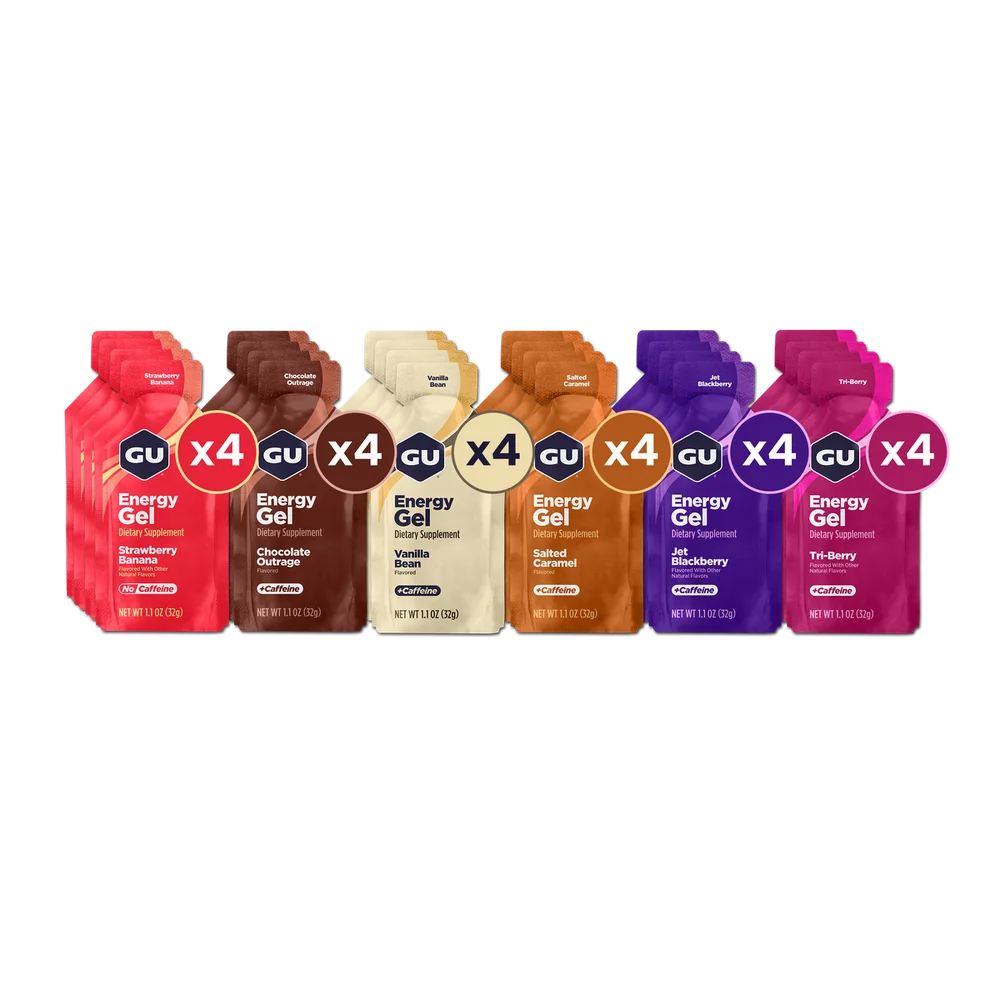
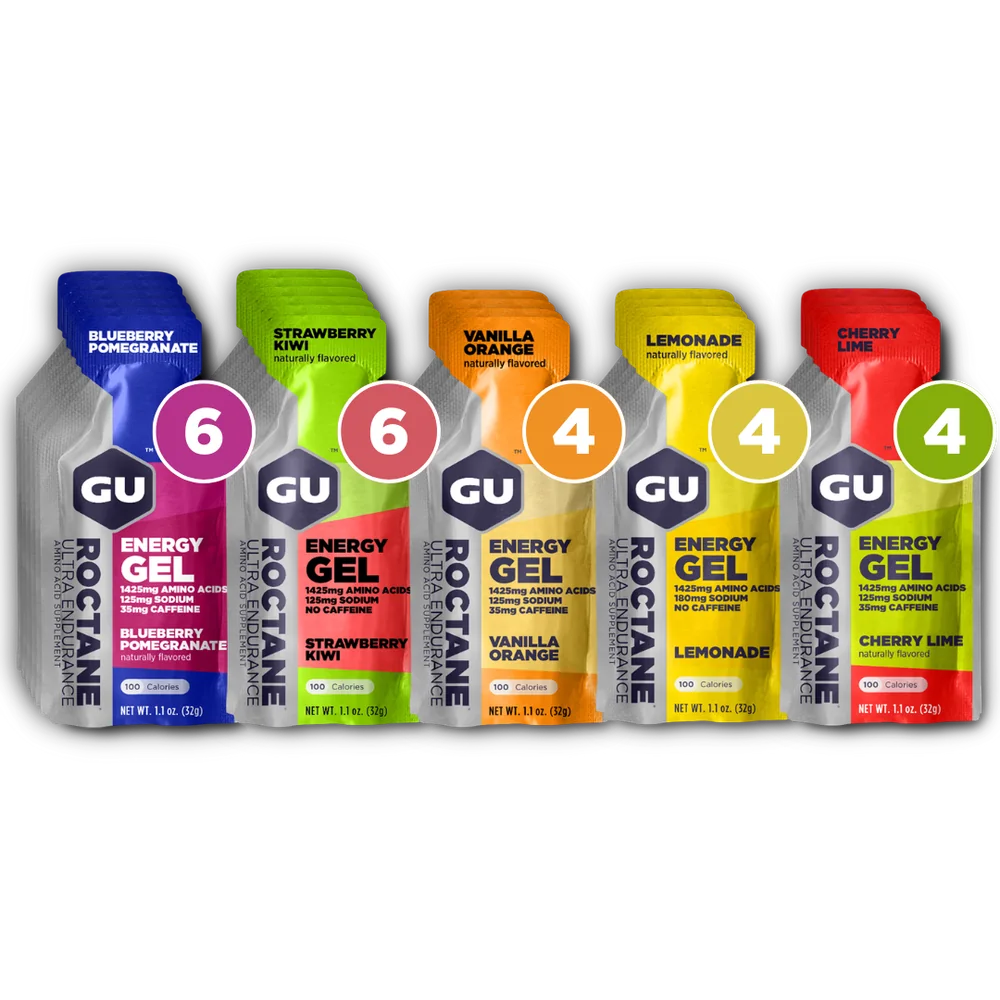
A gel is a concentrated dose of carbohydrate, and your gut handles it best when it is diluted. Looney's rule on the bike is to always drink some water with gels and chews to help digestion. Take a few sips of water with every Original or Roctane Energy Gel; it helps your body absorb the fuel efficiently.
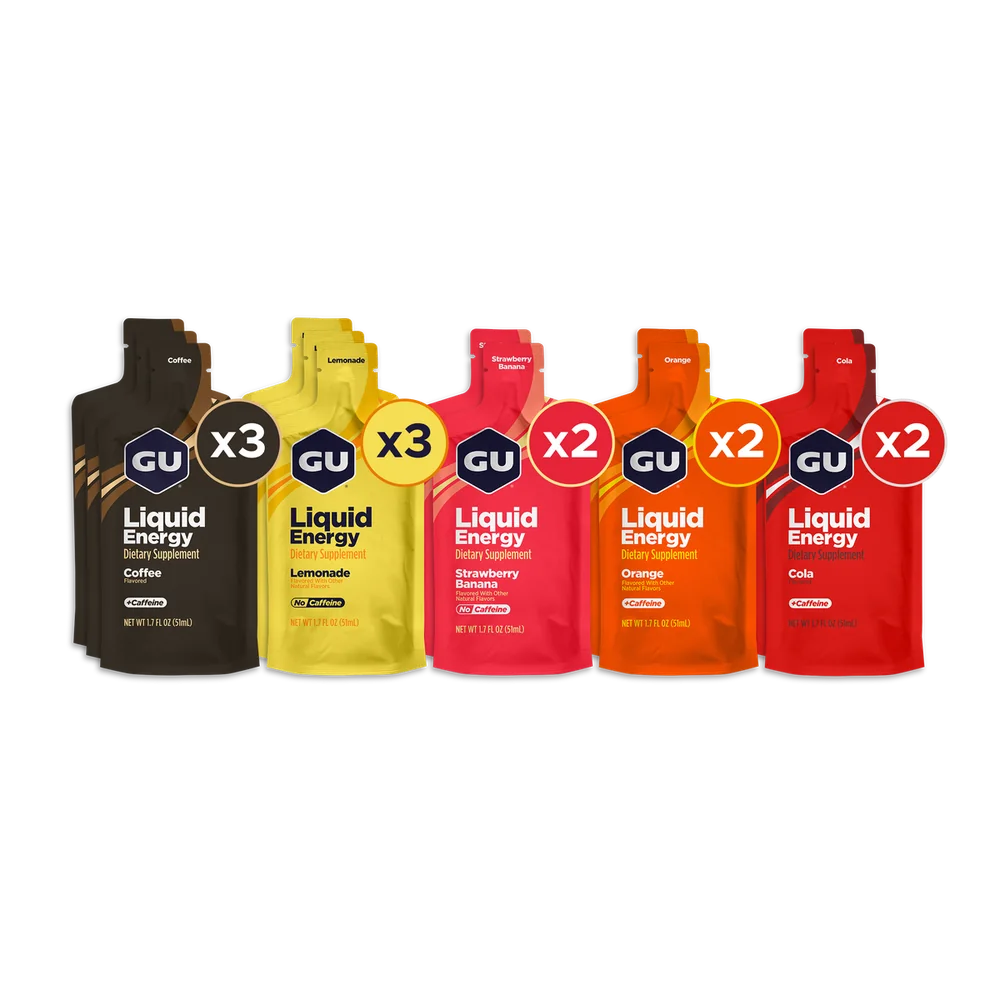
The Liquid Energy Gel already contains some water, which is why it goes down so easily, but it is not a hydration plan. Keep drinking alongside it, around 475–900 ml (16–30 oz) per hour depending on the conditions and your sweat rate. On a humid pre-dawn start in Mumbai or Chennai you will be at the top of that range.
The flask trick
In races, Looney squeezes her gels into a flask and adds water, about 75% gel to 25% water. The carbohydrate is pre-diluted, there are no wrappers to fumble with, and one squeeze replaces the gel-then-bottle routine.
The short version
Fuel by the hour, not by the kilogram. Eat enough to train well before you think about weight. Use fast carbohydrate during exercise and whole-food carbohydrate around it. Be cautious with fasting if you are an active woman. And always chase a gel with a sip of water. If your stomach has not yet learned to take on 60 g or more an hour, start with train your gut, and for the whole picture of timing and amounts see how to fuel.
These statements have not been evaluated by a regulatory authority. This product is not intended to diagnose, treat, cure or prevent any disease.