Marathon training 101: from couch to the start line
Forty-two point two kilometres looks absurd from the sofa, yet first-timers finish it every year, from the big January morning in Mumbai to small-town races with a few dozen entrants. What gets them there is not talent: it is a plan with enough weeks in it, a body built up gradually, and a fuelling routine rehearsed before race day. This guide covers all three.
What you are signing up for
A marathon is 42.2 km (26.2 miles). It tests endurance, mental strength and stubbornness in equal measure, and finishing takes months of consistent training backed by sensible nutrition and a hydration plan.
Starting from scratch, allow 16 to 20 weeks: enough time to raise mileage gradually, recover between sessions and let your body adapt. Can a complete beginner do it? Yes, provided the progress is gradual and the plan is followed.
Build a base before you build a plan
The foundation is running three to four times a week and stretching the distance a little at a time over several weeks. If you do not run at all right now, use a run/walk approach, which builds endurance without overloading joints and tendons that are not used to the work.
Keep the early weeks slow and short, at conversational pace. Set milestones you can actually hit: the first mile (1.6 km) without stopping, then a 5K, then a 10K, and celebrate each one. Listen to your body too. Tiredness is normal; sharp or persistent pain is not, and it means rest or a physio, not a brave face.
If you can, find a running group or a training partner. Accountability for a 5 a.m. alarm is worth more than any gadget.
The shape of a structured plan
The plan itself follows a simple pattern: three or four shorter runs during the week and one long run at the weekend that grows gradually. Research suggests a steady build in mileage helps prevent injury and supports recovery, so resist jumping ahead when a week feels easy.
Around the running, three things hold the plan together:
- Cross-training and strength. Cycling, swimming or gym work build fitness without more pounding, and strength work for the legs, hips and core is your best insurance against injury.
- Recovery. Adaptation happens while you rest. Sleep enough, stay hydrated, schedule rest days and use active recovery such as walking or yoga; proper rest improves muscle function and lowers injury risk.
- Daily food. A balanced diet with adequate carbohydrate, protein and healthy fat is the foundation. Protein-rich meals support muscle repair; carbohydrate-rich ones keep your energy up across a heavy week.
A sample beginner week
A typical beginner schedule has four running days: one long run, one tempo or speed session and two easy runs. Here is one week from such a plan.
| Day | Session |
|---|---|
| Monday | Rest, or cross-training such as cycling or swimming |
| Tuesday | Easy run, 5–8 km (3–5 miles) |
| Wednesday | Strength training, focused on core and legs |
| Thursday | Tempo run, about 8 km with 5 km at tempo pace (5 miles with 3 at tempo) |
| Friday | Rest, or light cross-training such as yoga and stretching |
| Saturday | Long run, 13–16 km (8–10 miles), increasing each week |
| Sunday | Easy run or walk, about 5 km (3 miles), or complete rest |
The Saturday long run matters most, and it is where you rehearse everything you intend to do on race day: kit, breakfast, fluids and fuel.
Fuelling the long runs
Most beginners nail the running and ignore the eating, then wonder why they hit a wall at 30 km. Carbohydrate is your body's primary fuel during exercise and your stores are limited, so on long efforts you have to keep topping them up.
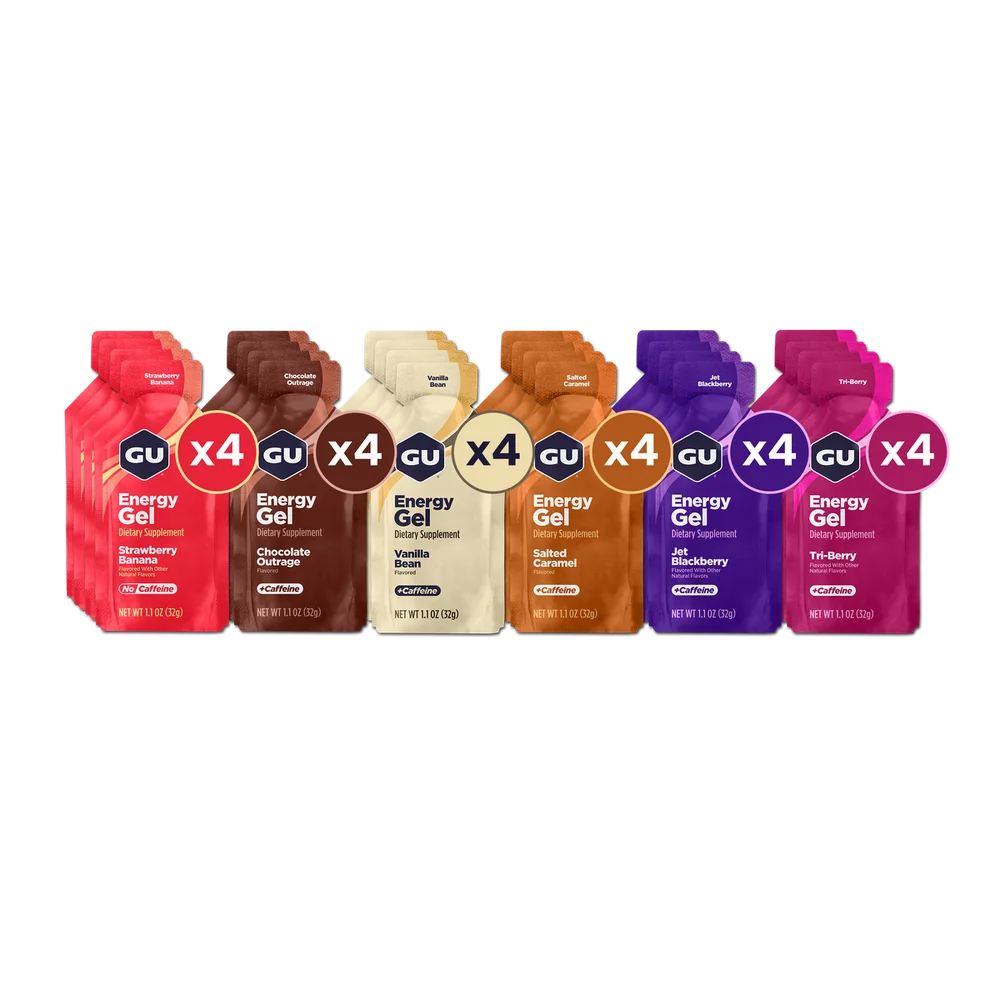
- Energy. A good starting target for longer runs is 200 to 400 calories per hour. In carbohydrate terms that is 30 to 60 g per hour, which works out to about two energy gels an hour. Our fuel calculator will turn your pace and distance into a sachet count.
- Fluids. Aim for 16 to 32 ounces (roughly 475 to 950 ml) per hour, with electrolytes added to replace what you sweat out; on a humid Indian morning expect the top of that range. Check your race's aid-station map, and if you will want fluid more often than the stations allow, train with a handheld bottle or hydration pack.
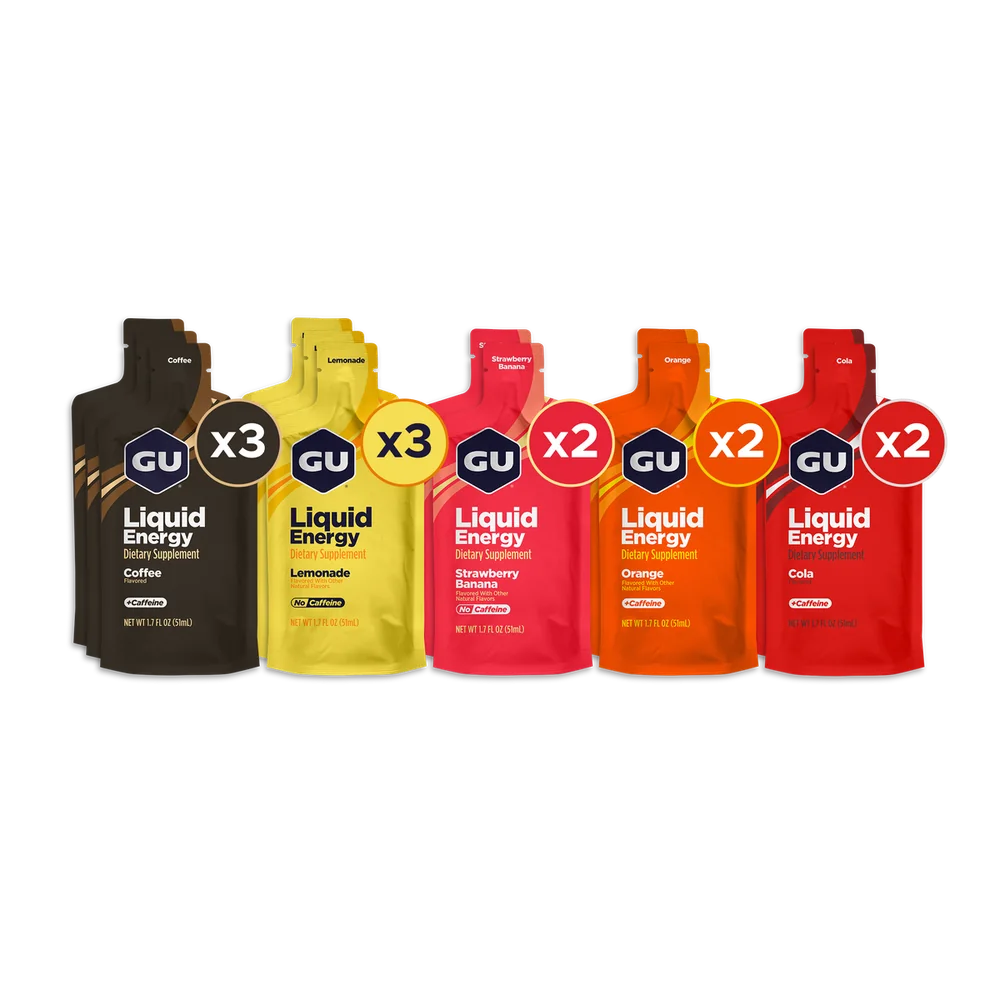
- Late-race eating. Swallowing gets harder in the final third. The thinner Liquid Energy Gel is the closest thing to drinking your fuel, and alternating it with the Original Energy Gel stops the texture from getting monotonous.
- Flavour fatigue. The same taste for four hours gets old. Rotate between a few flavours, sweet, salty and sour, so your palate is still on your side at 35 km.
Make the long run a dress rehearsal. Take your first gel around 30 minutes in and one every 30 minutes after that, with a few sips of water each time. Two Original Energy Gels an hour gives you 200 calories and about 44 g of carbohydrate, squarely inside both targets above. Repeat it on every long run until it is automatic.
Cramp-proofing the final kilometres
Cramps tend to show up late, when the muscles are tired and the finish is close enough to taste. Four things reduce the odds:
- Stay hydrated. Dehydration is a common contributor. Drink before, during and after your runs, with electrolytes rather than plain water alone on long days.
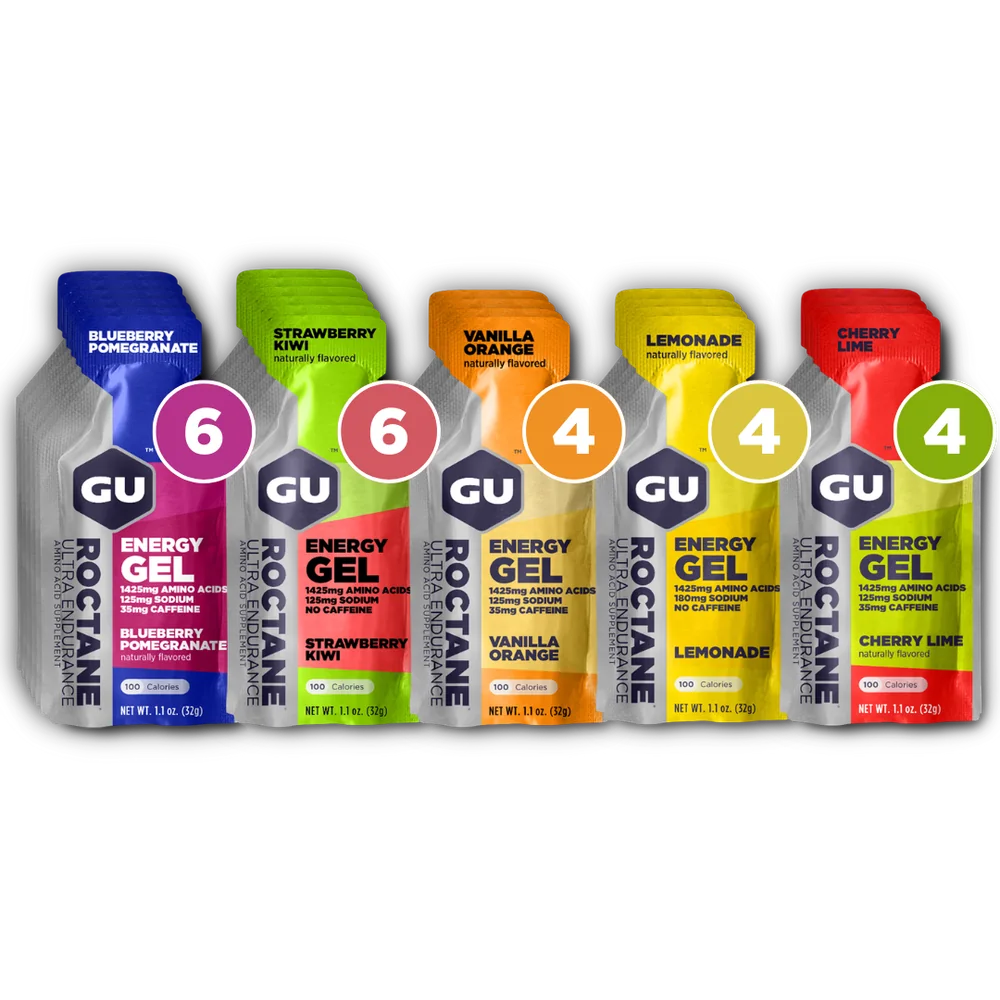
- Replace electrolytes. Sodium, potassium and magnesium all play a part in muscle function, so your long-run plan should put them back. For the hardest efforts, Roctane Energy Gel carries two to three times the electrolytes of the Original.
- Pace yourself. Going out too fast fatigues muscles early and invites cramp. Settle into a pace you can hold from the first kilometre to the last.
- Get stronger. Strength work for the legs, hips and core builds muscular endurance, which is exactly what fails when cramp strikes.
Train the head too
The last 10 km are run with your mind as much as your legs. Practise mindfulness on easy runs, visualise the course and the finish, and keep a few lines of positive self-talk for when it hurts. On the day, break the distance into pieces, four 10 km blocks and a 2.2 km victory lap, and think only about the one you are in.
From here to the start line
Pick a race 16 to 20 weeks out, build your base, follow the plan, and treat every long run as a fuelling rehearsal. For the race itself, our marathon gel strategy guide lays out when to take each sachet, and train your gut shows how to build up to that intake without stomach trouble.
These statements have not been evaluated by a regulatory authority. This product is not intended to diagnose, treat, cure or prevent any disease.