Fuelling for your training load
An easy 5 km jog and a 30 km long run are not the same workout, so there is no reason to fuel them the same way. The idea behind training-load fuelling is simple: look at how long, how hard and in what conditions you are about to train, then set your carbohydrate, fluid and electrolyte intake to match. Get that right and you finish hard sessions strong and back up well the next day. Get it wrong and fatigue turns up far earlier than it should.
Three things that set your fuel needs
Training-load fuelling comes down to three variables:
- Duration. How long you will be out there.
- Intensity. Conversational pace, threshold intervals or an all-out effort.
- Conditions. Heat, humidity, altitude and terrain. A 10 km run on a sticky July morning in Mumbai asks more of you than the same run in December.
As any of these go up, your body leans harder on carbohydrate, fluid and electrolytes. The framework below, adapted from one published by GU Energy Labs' nutrition team, turns that into something you can act on.
The core idea: match fuel to effort
Your body does not need maximum fuel all the time. It needs the right amount at the right time. As a rough map:
- Low effort calls for hydration and recovery.
- Moderate effort calls for steady energy.
- High effort calls for consistent fuel plus electrolytes.
This is not a case for eating more. It is a case for fuelling with purpose: enough on the days that need it, and no more than necessary on the days that do not.
| If the session is… | Focus on | What to do | What to use |
|---|---|---|---|
| Easy or short | Hydration and recovery | Drink regularly. Add fuel only if you need it | Water or an electrolyte drink |
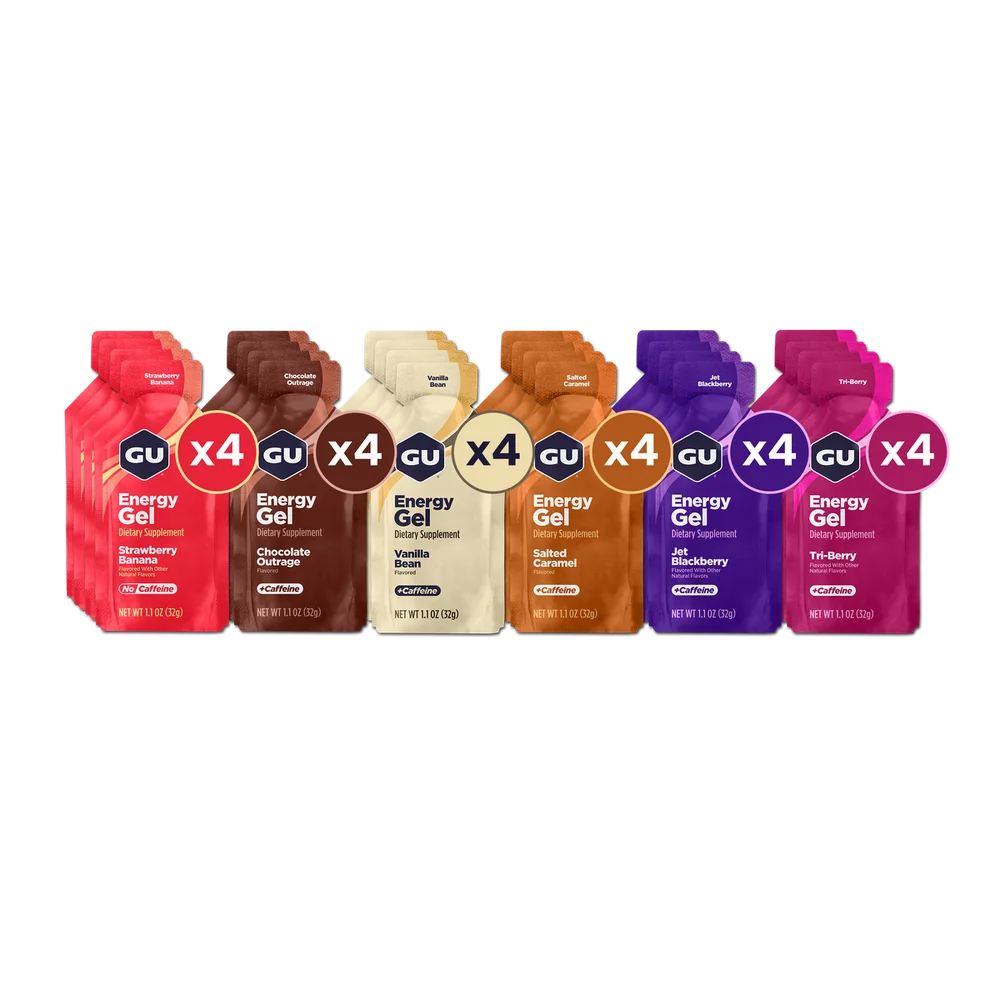
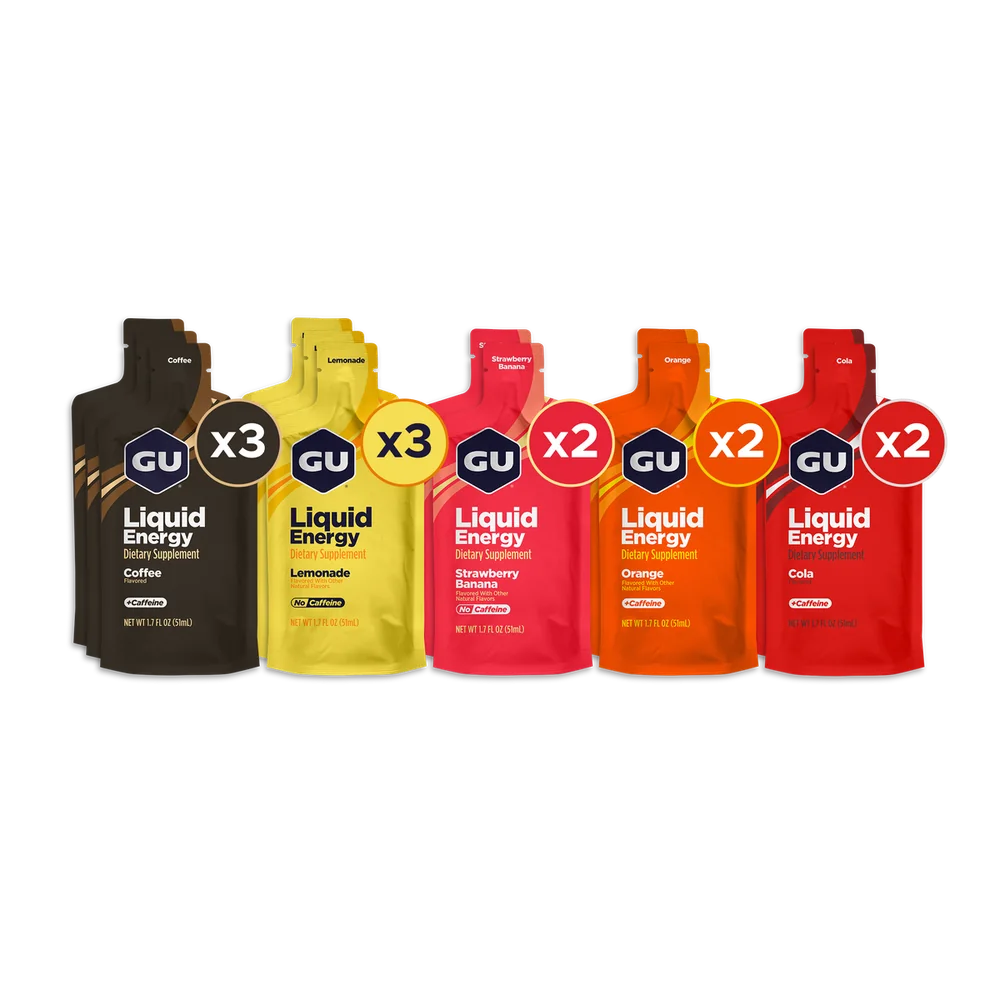
| 60 to 90 minutes | Steady energy | Carbs every 30 to 45 minutes. Sip fluids throughout | Original Energy Gel or Liquid Energy Gel, plus fluids |
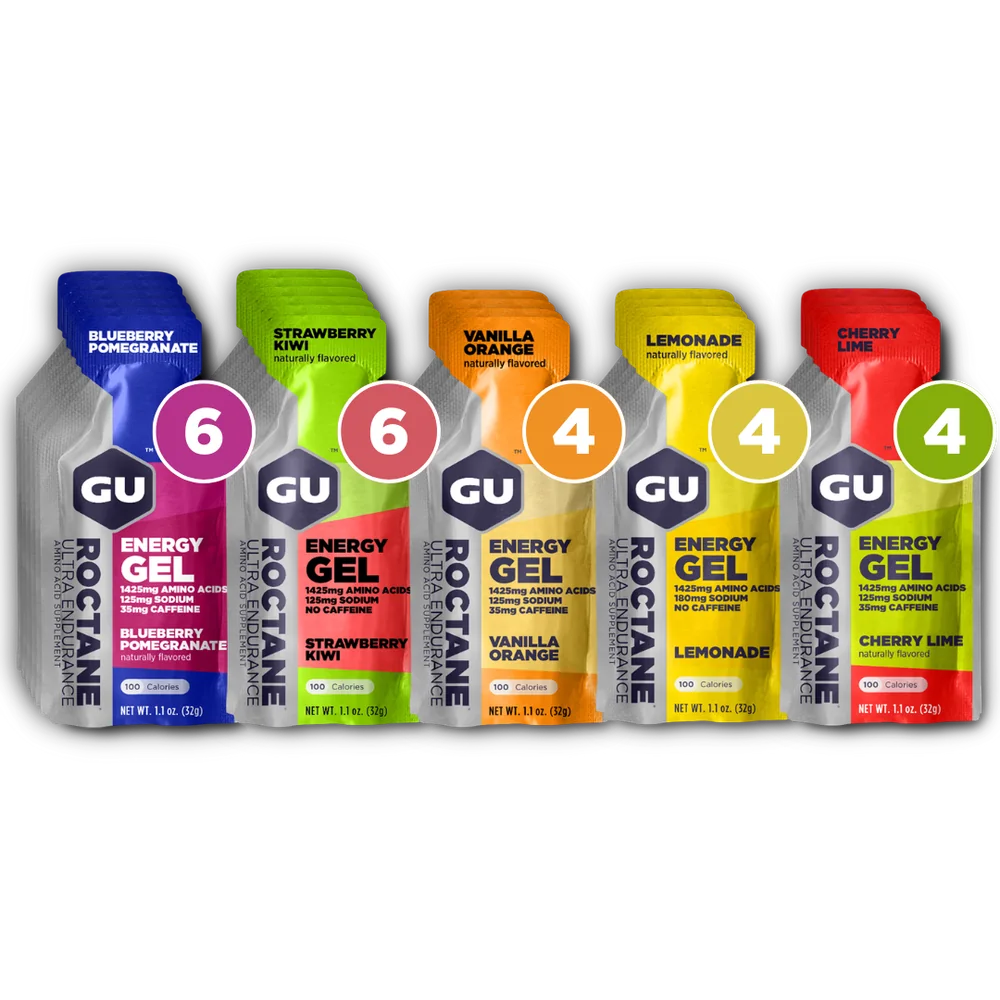
| Long or intense | Energy, hydration and electrolytes | Fuel every 20 to 30 minutes. Keep replacing fluids | Energy gels, with Roctane Energy Gel for the hardest efforts, plus an electrolyte drink |
1. Easy and recovery sessions
A recovery jog or a short spin places little demand on your energy stores, but it still deserves some support. The focus is fluid balance, electrolytes and letting your body absorb the work you did yesterday.
In practice: drink regularly, with an electrolyte drink if you are sweating heavily, and skip the gels unless the session stretches past an hour. The aim is to support your system without overloading it. A gel on every 40-minute shakeout adds calories you do not need and teaches your stomach nothing.
2. Moderate sessions
Tempo runs, mid-length rides and steady 60–90 minute efforts need a more consistent supply of energy. The goals here are to hold your energy level, delay fatigue and stay hydrated.
In practice: take an energy gel every 30 to 45 minutes and sip fluids regularly. The important word is early. If you wait until you feel flat you are already behind, and by the time the gel is absorbed the session is nearly over. Fuel on a schedule, not on a feeling.
3. High training load and long efforts
This is where fuelling stops being a nice-to-have and starts deciding the outcome. Long runs past two hours, big-climb rides in the Western Ghats, back-to-back hard days in a marathon build: all of these ask for sustained carbohydrate delivery, electrolyte replacement and enough energy to keep your head in the game late on.
In practice: take a gel every 20 to 30 minutes, keep an electrolyte drink going alongside it, and reach for Roctane Energy Gel when the intensity is highest. Roctane carries three times the amino acids and two to three times the electrolytes of the Original Energy Gel, which is what the hardest days ask for. Hard efforts need a full fuelling plan, not guesswork.
So how much carbohydrate is enough?
Match your carbohydrate intake to the load of the session. The general guidelines:
- Moderate intensity: 30 to 60 g of carbohydrate per hour.
- High intensity or long duration: 60 to 90 g per hour.
Each of our gels delivers 100 calories and roughly 19–24 g of carbohydrate per sachet, depending on the gel and flavour, so the sums are easy. Using the Original Energy Gel's 22 g as the yardstick: a gel every 45 minutes works out to about 30 g an hour, every 30 minutes gives about 45 g, and every 20 minutes puts you around 65 g. To reach the top of the long-day range you add carbohydrate from your drink, and that is a target to build up to in training rather than a place to start. Our fuel calculator will do this sum for your own session.
Count sachets, not feelings. Before a hard session, decide how many gels the plan needs and lay them out. A two-hour long run at one gel every 30 minutes is four sachets: pocket four, set a repeating timer on your watch, and take the gel when it buzzes whether you feel like it or not.
Zoom out to the whole week
Individual sessions matter, but the week is where consistency is built. A balanced plan looks like this:
- Low days: hydration and recovery. Water, electrolytes, proper meals, no gels needed.
- Workout days: structured fuelling to support the effort, on the 30–45 minute cadence.
- Long days: commit to consistent fuelling and hydration from the first 20 minutes.
Spread this way, your energy stays more stable from day to day, you recover faster between sessions and the training actually sticks. Long days are also the right place to rehearse your full race-day plan; our train your gut guide covers how to build that up without surprises.
Signs your fuelling is not keeping up
If your intake falls behind your workload, your body will tell you. Watch for:
- Energy dropping earlier in a session than it should
- Trouble holding a pace you normally manage
- Mental fatigue, or losing focus in the second half
- Slower recovery between sessions
It is tempting to read these as training problems, and sometimes they are. Often, though, they are fuelling problems, and the fix is cheaper than another easy week: look at what you took on in the sessions where it happened and compare it with the table above.
Fuel with intention
Your training already has structure: easy days, workout days and long days, each with a purpose. Your fuelling should have the same structure. Match intake to the work, adjust as the plan evolves through a block, and be most consistent on the days that count. For a simple starting point on timing and dose, read how to fuel, then stock up on the gels your hardest sessions will need.
These statements have not been evaluated by a regulatory authority. This product is not intended to diagnose, treat, cure or prevent any disease.